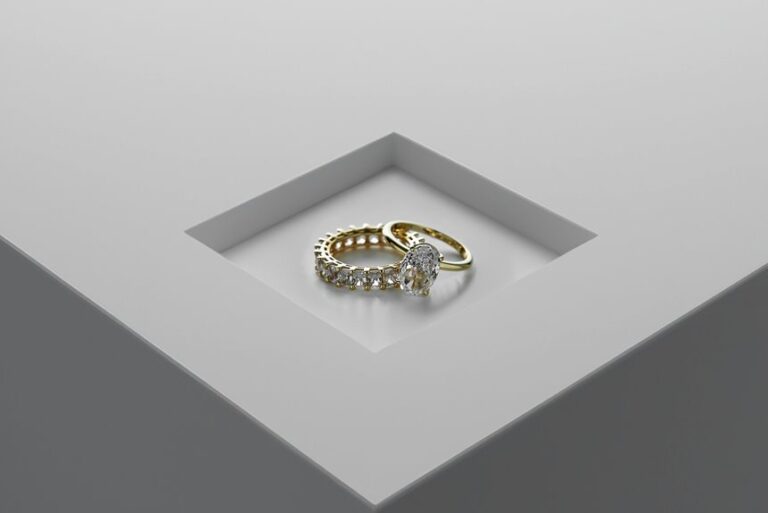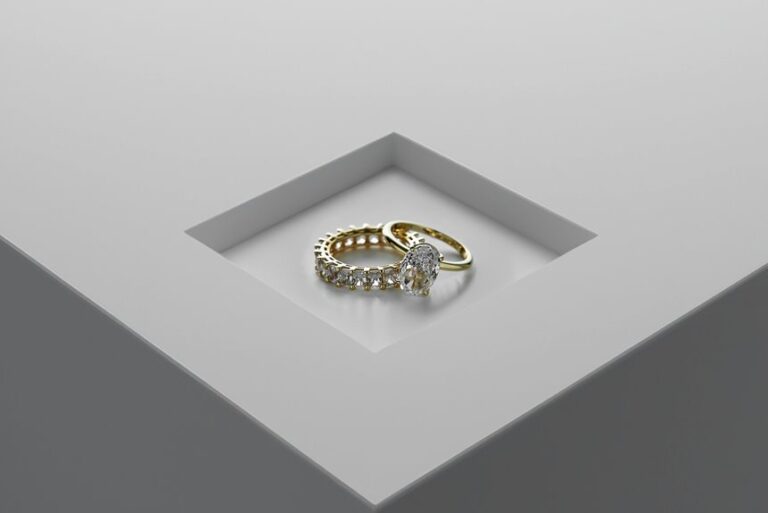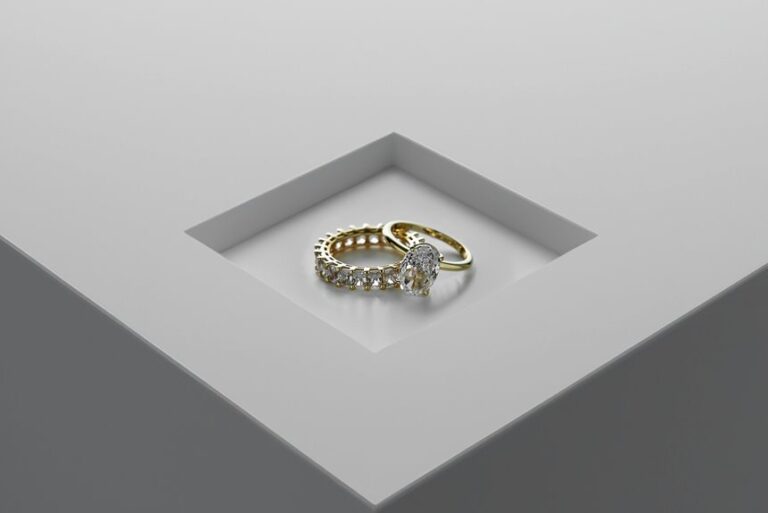


Like many quick fixes that sound almost too good to be true, toothpaste can make some jewellery look cleaner, but it isn’t as harmless as it seems. You could lift light tarnish or grime with it, yet the same gritty action can scratch metal and dull stones over time. Before you squeeze a blob onto your ring or chain, it’s worth understanding at what point this shortcut helps and at what point it quietly causes damage.
Can You Clean Jewellery With Toothpaste?
In case you’re tempted because it’s cheap and familiar, many people experience the same. Still, jewellers usually recommend safer, jewellery-specific cleaners instead.
Toothpaste might seem helpful for quick results, yet its abrasives and residues can create damage you won’t notice right away.
Whenever you care for your pieces gently, you’re choosing a routine that helps them stay beautiful and wearable for years together.
Which Jewellery Can You Clean With Toothpaste?
Which pieces, then, can you clean with toothpaste? In case you’re keeping it simple, toothpaste is best reserved for uncomplicated jewellery you already wear and love.
Consider pieces without stones, delicate details, or tight settings. You’re aiming for a quick surface refresh, not a deep restoration, so gentleness matters provided you want your favourites looking right.
- Plain gold bands with no stones
- Basic metal chains without intricate links
- Simple pendants with smooth surfaces
- Everyday silver pieces with small silver spots of tarnish
Use only a tiny amount and light pressure, so you’re treating your jewellery like it belongs in your regular care routine.
Whenever you stay with straightforward pieces, you’re far more likely to get a brighter finish without turning a quick clean into extra wear.
What Jewellery Should Never Touch Toothpaste?
So what should never come near toothpaste? In case you want your jewellery to stay part of your everyday story, keep toothpaste away from pieces with soft gemstones like opals, pearls, turquoise, and similar delicate favorites.
You should also avoid using it on porous stones, pavé rings, halo settings, and vintage designs where residue can lodge deep and stay behind. Even diamonds aren’t completely safe, because abrasives can slowly dull their surfaces.
Toothpaste is also a poor match for precious metals. Gold, silver, platinum, and white gold all face metal vulnerability when gritty particles rub across their surfaces. Highly polished finishes scratch easily, and detailed settings can suffer microscopic damage over time.
Suppose a piece feels special to your collection, it deserves a gentler, jewellery-safe approach instead.
Why Toothpaste Can Remove Tarnish
You can sometimes remove tarnish with toothpaste because its mild abrasives help lift the dull, dark layer from the metal’s surface.
As you rub it in, the surfactants can loosen leftover grime and residue that make jewellery look cloudy. That gentle polishing action is why a piece might look brighter and shinier after cleaning.
Mild Abrasives Lift Tarnish
Because toothpaste contains mild abrasives, it can sometimes remove tarnish from silver through mechanically lifting the dark oxidation layer from the surface. Whenever you gently rub it on, the abrasive particles act like a very fine polish, helping you reveal brighter metal underneath.
That’s why many people in your circle might notice a grey-black cleaning residue on the cloth afterward.
To understand what’s happening, keep in mind:
- Tarnish sits on top of the silver.
- Toothpaste scrubs that layer away.
- Light rubbing can improve dull spots.
- Stubborn areas could need extra patience.
In case you’ve got everyday silver, this can make it look more presentable fast. Still, you’ll want a soft touch, because the same action that lifts tarnish can also affect the finish in case you overdo it.
Surfactants Break Down Residue
Convenience also comes from the surfactants in toothpaste, which help loosen the oily film, dirt, and residue clinging to silver as tarnish builds up around everyday wear. Whenever you clean a well-loved piece at home, these ingredients act like foaming agents, surrounding grime so it’s easier to lift away with water and gentle rubbing.
That residue breakdown can make silver look cleaner because the surface isn’t being held back through skin oils, soap traces, and daily buildup.
If you’ve ever noticed jewellery looking dull after regular wear, you’re not alone. Toothpaste can seem helpful because surfactants separate that clingy film from the metal, giving you a quick sense of refresh. For many people, that familiar formula feels like an easy, shared fix already waiting in the bathroom cabinet at home.
Polishing Action Restores Shine
While toothpaste can make tarnished jewellery look brighter, that effect usually comes from its mild polishing action rather than any specialised cleaning power.
At the time you rub it on silver or gold, abrasive particles scour away oxidation and grime, so your piece seems renewed and party-ready again.
Still, it helps to know what’s really happening before you join in with this common home trick:
- It lifts tarnish through shaving off a thin top layer.
- It smooths dull buildup, revealing reflective metal beneath.
- It can leave tiny surface scratches on precious metals.
- It doesn’t truly nourish or protect jewellery long term.
How to Clean Jewellery With Toothpaste Safely
Although toothpaste is sometimes used as a quick fix for tarnished plain metal jewellery, you’ll need to be careful: its calcium carbonate and silica abrasives can scratch gold, silver, platinum, and even dull diamond surfaces over time.
If you still choose this at-home method, reserve it for plain, sturdy metal pieces only, never soft stones, pearls, opals, turquoise, or intricate settings where abrasive particles can lodge.
Use a tiny pea-sized amount of plain, non-gel toothpaste on a damp, very soft cloth or baby toothbrush. Rub lightly for just a few seconds, then rinse thoroughly with lukewarm water and dry completely with a lint-free cloth.
Don’t let residue sit, since flavourings, dyes, and trapped moisture might encourage chemical reactions or discolouration. Whenever in doubt, use jewellery cleaner instead to keep your favourite pieces looking loved.
How to Tell Toothpaste Is Causing Damage
How can you tell toothpaste is harming your jewellery? You’ll usually notice subtle changes initially, and spotting them promptly helps you protect pieces that feel like part of your story.
Watch for these warning signs:
- New scratches on gold, silver, or settings after cleaning.
- Dulling sparkle on diamonds from abrasive buildup on surfaces.
- Cloudy residue trapped in pavé, halo, or vintage details.
- Surface changes on softer stones, including gemstone erosion or fading.
You could also see white gold or platinum look less polished, while sterling silver can develop uneven marks.
In case a piece feels rougher, looks less reflective, or keeps losing brilliance after each use, toothpaste is likely the problem. Whenever your jewellery no longer looks like the treasured piece you know, that’s your sign to stop.
Safer Ways to Clean Jewellery at Home
Should you want to protect your jewellery’s finish, the safest approach is warm water, a drop of mild dish soap, and a very soft brush or lint-free cloth. You’ll get a gentle clean without the scratching risk that toothpaste can bring, and that helps your pieces keep their shine.
If you prefer homemade solutions, keep them simple and kind. A brief soak in soapy water loosens everyday residue, while a soft cloth lifts oils without stressing metal or stones. Rinse with clean lukewarm water and pat dry completely before storing.
For extra peace of mind, skip harsh scrubs, strong chemicals, and rough paper towels. Even whenever you’re drawn to natural ingredients, mild and non-abrasive is the standard your jewellery community trusts for safe, at-home care every day.
When to See a Professional Jeweller
At what point exactly is it best to hand the job to a professional jeweller? In case your piece is precious, sentimental, or detailed, you don’t have to guess alone.
A professional inspection gives you confidence and helps your jewellery stay part of your story.
See a jeweller once:
- A gemstone looks dull, loose, or scratched after cleaning.
- Your jewellery has pavé, halo, vintage, or delicate settings.
- You notice residue, discoloration, bent prongs, or worn metal.
- The piece includes pearls, opals, turquoise, or other porous stones.
You should also seek expert advice prior to using toothpaste on gold, silver, platinum, or white gold.
Professionals can spot concealed damage, clean safely, and protect pieces you love wearing with your people, for years through life’s big moments too.
How to Keep Jewellery Shiny Longer
Even though you’re only cleaning jewellery occasionally, the best way to keep it shiny longer is to prevent damage before it starts. Skip toothpaste, since its abrasives can scratch metals and dull gemstones. Instead, make preventive maintenance part of your routine: wipe pieces after wearing, store them separately, and remove them before lotions, workouts, or swimming. You’ll protect your favourite pieces and feel confident wearing them every day.
| Habit | Why it helps | Your reminder |
|---|---|---|
| Soft cloth wipe | Removes oils fast | After each wear |
| Separate storage | Prevents scratches | Use pouches |
| Avoid chemicals | Stops residue, tarnish | Before showering |
| Jeweller checkups | Maintains settings, protective coatings | Yearly visit |
When your collection is cared for consistently, it stays brighter longer, and you’re part of the group that treats jewellery with lasting respect.
Frequently Asked Questions
Does Whitening Toothpaste Make Jewellery Dull Faster?
Yes. Whitening toothpaste contains abrasives that can roughen surfaces and scratch metals and gems, causing jewellery to lose its shine sooner. Skip whitening toothpaste on pieces you care about and use gentle, jewellery-safe cleaning methods instead.
Can Toothpaste Damage Ring Engravings or Fine Detailing?
Toothpaste can harm ring engravings and fine detailing. The abrasive particles abrade delicate patterns, and on gold, silver, or plated surfaces they can cause scratches, leave residue in crevices, and gradually reduce definition.
How Often Do People Mistakenly Use Toothpaste on Jewellery?
It happens fairly often, fueled by common misconceptions, social media hacks, and habits passed down over time. If you clean jewelry only occasionally, you might try it once; if you clean more regularly, you are more likely to repeat the mistake.
Does Toothpaste Expire, and Does That Affect Cleaning Results?
Yes. Toothpaste carries an expiration date. After that date, active ingredients can degrade or separate, reducing its ability to remove plaque and protect enamel. For best results and oral health, use a recently purchased tube.
Can Toothpaste Residue Cause Skin Irritation After Wearing Jewellery?
Yes, leftover toothpaste on jewelry can cause skin irritation. Residue trapped in settings may expose your skin to chemicals, dyes, and flavoring agents, leading to discomfort or allergic reactions.