

In case you want to disinfect jewellery at home, you’ll need more than a quick rinse. Different metals and stones react to moisture, alcohol, heat, and common cleaners in very different ways. Should you use the wrong method, you could damage the finish or loosen a setting. Before you clean earrings, rings, or necklaces, it helps to know what’s safe and what should never touch them.
How to Disinfect Jewellery at Home
In case you want to disinfect jewellery at home, start with washing it in a bowl of warm water with a few drops of mild dish soap and letting it soak for 10 to 20 minutes. This soap soaking step helps loosen lotion, oils, and daily buildup, so your pieces feel fresh and ready to wear again.
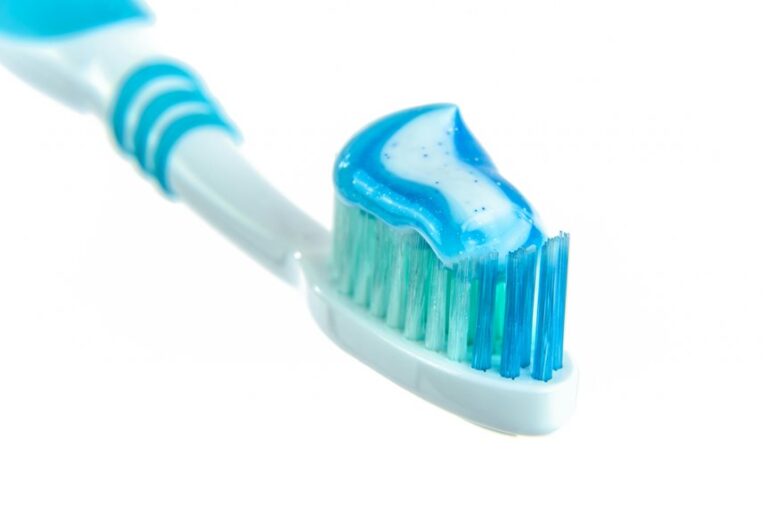
Use a soft toothbrush to clean behind stones and tiny crevices, then rinse with lukewarm water and pat dry.
For solid metals and hard stones, you can disinfect further with 70% isopropyl alcohol or 3% hydrogen peroxide.
Should your piece be made from titanium, stainless steel, or similar durable materials, the boiling method can also work. Keep everything fully submerged, boil for 30 to 40 minutes, and dry thoroughly afterward.
Which Jewellery Cleaners to Avoid
Not every cleaner is safe for your jewellery, and harsh chemical cleaners can damage metals, loosen settings, or harm delicate stones.
You should also be careful with abrasive polishing products, since they can scratch surfaces and wear away finishes over time.
Before you disinfect any piece, it helps to know which products can clean effectively without causing lasting damage.
Harsh Chemical Cleaners
Although disinfecting jewellery is essential, you shouldn’t reach for harsh chemical cleaners that can damage metals, loosen settings, or dry out delicate gems. Strong bleach, ammonia-heavy products, and industrial disinfectants might seem effective, but they can leave chemical residues behind and create long term damage you couldn’t notice right away.
To keep your pieces looking beautiful and wearable, choose gentler methods that respect the materials and the memories attached to them. You want your jewellery to stay part of your everyday style, not become weakened due to products that are too aggressive. This is especially crucial should your collection include sentimental rings, heirlooms, or gemstones with softer structures.
Whenever you clean with care, you protect both the finish and the feeling of confidence that comes from wearing pieces you cherish every day.
Abrasive Polishing Products
While polishing pastes and gritty cleaners could promise instant shine, they can scratch metal surfaces, wear away plating, and dull softer stones over time. In case you love keeping your jewellery looking its best, it’s smart to skip anything abrasive. These products often leave surface scratches that trap dirt and make pieces look older, not cleaner.
You’ll also want to avoid repeated buffing with harsh compounds because polish buildup can collect around settings, chains, and engraved details. That residue is hard to remove and can make your jewellery feel cloudy instead of fresh.
A gentle soap soak, soft toothbrush, and microfiber cloth will help you care for your favourite pieces without damage. Through choosing kinder cleaning methods, you’re protecting the items that help you feel polished, confident, and part of every special moment.
How to Clean Gold, Silver, and Platinum
If you clean gold, silver, and platinum, you’ll want to start with safe methods that remove grime without harming the metal.
A simple soak in warm water with mild soap, followed with a gentle brush and careful drying, works well for many pieces.
You should also match your approach to the metal, as silver often needs tarnish care while gold and platinum can handle different disinfecting options.
Safe Cleaning Methods
How do you safely clean gold, silver, and platinum without damaging them? Start with simple, gentle steps you can trust at home. Skip harsh scrubbing and ignore cleaning myths that promise instant sparkle.
Instead, you’ll get better results from homemade solutions like warm water and mild dish soap, succeeded with a soft toothbrush and a microfiber cloth. That routine helps you care for pieces you wear every day and keeps your collection feeling beautifully maintained.
- Soak jewellery in warm soapy water for 10–20 minutes to loosen buildup.
- Brush lightly around surfaces and crevices, then rinse with lukewarm water.
- Pat dry fully, and repeat should lotion, sunscreen, or grime remain.
For extra sanitizing, you can use antibacterial soap or saline solution carefully following basic cleaning.
Metal-Specific Care
Different metals need slightly different care, even in case the basic cleaning routine stays the same.
For gold and platinum, you can rely on warm water, mild dish soap, and a soft toothbrush to lift buildup safely. In the event that you want extra disinfection, 70% isopropyl alcohol works for solid gold and platinum pieces.
Silver needs a gentler touch because it tarnishes easily. You can use antibacterial soap in warm water, then dry with a microfiber cloth. For deeper tarnish, a baking soda, salt, and foil soak helps restore shine.
As part of your jewelry-care circle, keep in mind that titanium cleaning also responds well to antibacterial soap, while niobium boiling is suitable whenever you need high-heat disinfection.
With the right method, your favorite pieces stay clean, bright, and ready to wear.
How to Clean Gemstone Jewellery Safely
Considering what the safest approach is for gemstone jewellery? You’ll want to match your method to the stone, because your treasured pieces deserve care that keeps them beautiful and part of your everyday story.
For many hard gems, warm water, mild dish soap, and a soft toothbrush work well, followed by a lukewarm rinse and microfiber drying.
- Use plain water only for porous stones like opals, emeralds, pearls, and tourmaline.
- Choose a soft brush and light pressure around settings, crevices, and behind stones.
- Skip harsh chemicals, long soaking, and heat during cleaning delicate gemstones.
If lotion or sunscreen lingers, repeat the gentle wash rather than scrubbing harder.
At times of doubt, keep it simple and treat each piece with the same thoughtful care your collection deserves always.
How to Disinfect Earrings, Rings, and Necklaces
Once your gemstone jewellery is clean, you can focus on disinfecting earrings, rings, and necklaces in a way that suits the material. For solid gold, platinum, diamonds, rubies, and sapphires, wipe with 70% isopropyl alcohol or dab on 3% hydrogen peroxide, then rinse and dry.
Pay extra attention to earring backs, ring interiors, and necklace clasps, where buildup and bacteria often hide.
In case your pieces are stainless steel, titanium, or silver, a short soak in warm water with antibacterial soap works well. For hardy body jewellery made from niobium, titanium, or glass, boiling can disinfect deeply, but skip that for acrylic or delicate pieces.
Should you be unsure, saline solution is a gentler option for many everyday items. With the right method, your favourite pieces can feel fresh, safe, and ready to wear again.
When to Clean and Store Jewellery
How often should you clean your jewellery? In case you wear favourite pieces daily, clean them about twice a week to lift away lotion, sunscreen, and germs. Special-occasion items need attention after each wear, then before storing. Building this habit helps your collection stay beautiful, safe, and ready anytime you want to feel put together.
- Do seasonal cleaning to check clasps, remove buildup, and refresh lesser-worn pieces.
- Follow smart storage tips: keep items dry, separated, and in soft-lined boxes or pouches.
- Clean before storage provided pieces touched skin, perfume, or moisture, especially rings and bracelets.
You’ll also want to store jewellery after it’s completely dry, since trapped dampness can encourage tarnish or bacteria. With a simple routine, your pieces stay part of your polished, everyday look.
Frequently Asked Questions
Can Disinfecting Jewellery Damage Engravings or Hallmarks?
Yes. Strong disinfectants can harm engravings and hallmarks. Although 70% isopropyl alcohol is widely used, its effect depends on the metal and depth of the markings. To protect stamped or carved details, do not scrub with abrasives or leave metal immersed in chemical solutions for long periods.
How Should Jewellery Be Disinfected Before Gifting?
Disinfect jewellery before gifting by following its material-specific care: start with a gentle wash in warm water and mild soap, rinse thoroughly, and pat dry with a lint-free cloth. For solid metals and hard gemstones (diamond, sapphire, ruby), wipe with 70% isopropyl alcohol or a diluted hydrogen peroxide solution, then air-dry. For porous stones (opal, turquoise) and pieces with glued components, avoid alcohol and peroxide; instead use only the mild soap wash and let them dry fully. For vintage or delicate items and pieces with threaded pearls, consult a professional jeweller before applying any disinfectant. Store the cleaned item in a clean, breathable pouch until gifting.
Is It Safe to Disinfect Jewellery While Wearing Gloves?
Yes, but inspect your gloves for holes or thinning before starting. Use 70% isopropyl alcohol to disinfect; it kills many pathogens quickly. Do not expose gloves to the solvent for long periods because alcohol can degrade certain glove materials and compromise protection.
Can Disinfected Jewellery Trigger Skin Allergies Afterward?
Disinfected jewellery can still cause skin irritation or allergic reactions if disinfectant residue remains or if you have a metal sensitivity. Rinse pieces thoroughly, dry them completely, and try milder cleaning agents to reduce the risk.
Should Costume Jewellery Be Disinfected Differently Than Fine Jewellery?
Yes. Disinfect costume jewellery using gentler methods because base metals, plated finishes, and glued settings are more sensitive. Use mild soap and water or a saline rinse for most pieces, avoiding prolonged soaking or harsh chemicals. Fine jewellery made of solid gold, platinum, or durable gemstones can usually tolerate isopropyl alcohol or hydrogen peroxide in limited use. Choose a method that suits the specific metal, stones, and how often you clean the item.