


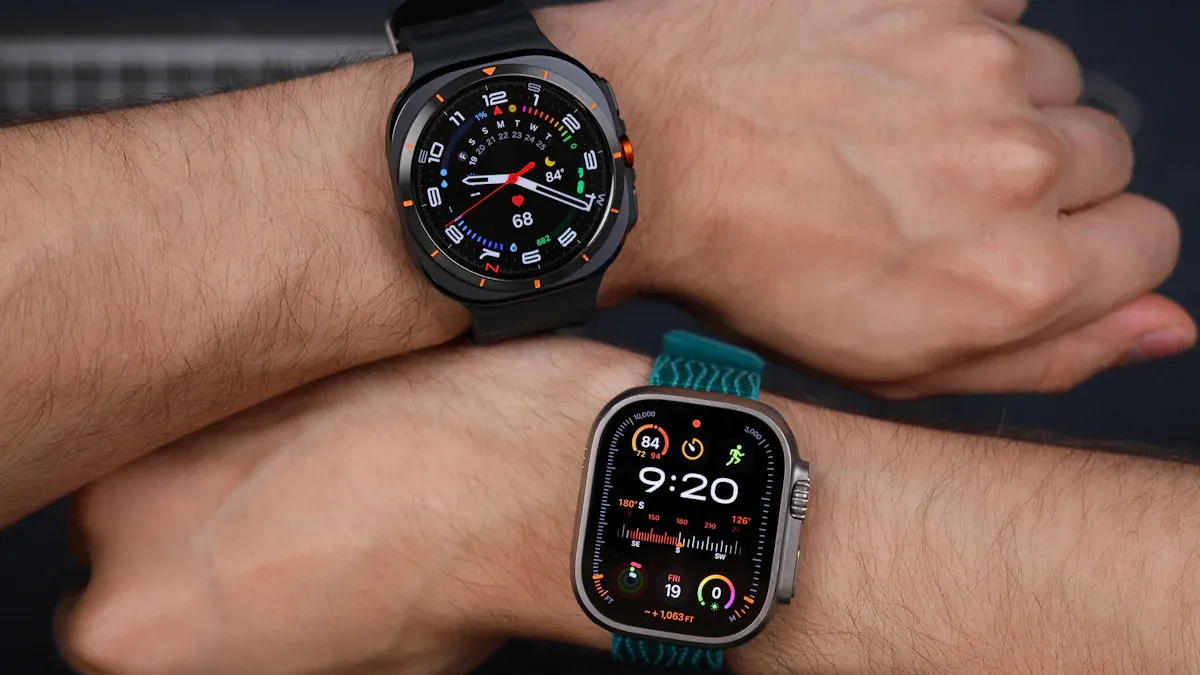
Smart watches have taken the tech world by storm! With their ability to track fitness, send notifications, and even make calls, they’ve become a must-have for many. Did you know that in 2023, smart watch sales hit an impressive $23.1 billion? This growth shows just how much you value these multifunctional devices. However, before diving into the world of smart watches, it’s crucial to weigh the pros and cons of smart watches. Understanding both sides helps you make the best choice for your lifestyle.
Pros and Cons of Smart Watches
When you think about smart watches, you may ask why they are so popular. Let’s look at the pros and cons of smart watches to see their true value.
Pros of Smart Watches
- Ease of Use: Smart watches are easy to use. You can connect them to your smartphone. This makes it simple to check apps and notifications on your wrist.
- Health Monitoring: Many people enjoy how smart watches track health. They can check your heart rate, steps, and sleep patterns. This helps you reach your health and fitness goals.
- Enhanced Productivity: With a smart watch, you can do tasks without using your hands. You get notifications without taking out your phone. This can help you be more productive during the day.
- Safety Features: Some smart watches can check worker fatigue. This improves safety in many jobs. It is especially helpful for those with tough jobs.
- Overall Health Maintenance: Smart watches help track health data. This can lead to better choices in your lifestyle.
Cons of Smart Watches
- Data Security: A big downside is data security. Different smart watches have different security levels. This can put your personal data at risk.
- Limited Power: Many smart watches need a smartphone to work well. This can be annoying if you want a device that works alone.
- Battery Life: Charging often can be a pain. You may need to charge your watch every day. This can mess up your routine.
- Design Limitations: Some people think smart watches look less fancy than regular watches. They might seem too casual for formal events.
- Notification Overload: Notifications can be useful, but they can also be too much. Constant alerts might distract you from important things.
Here’s a quick comparison of smart watches and traditional watches:
| Feature | Smart Watch | Mechanical Watch |
|---|---|---|
| Timekeeping method | Digital/OS-based timekeeping with syncing | Mechanical movement (hand-wound or automatic) |
| Power source | Rechargeable battery; charging required | Mainspring wound manually or automatically |
| Maintenance | Software updates, charging cycles | Periodic servicing and lubrication |
| Smart features | Apps, notifications, GPS, health tracking | Pure timekeeping; no digital features |
| Durability | Varies by model; often strong displays | Durable movement; case materials vary |
| Price range | Typically broad, $200-$600+ | Vast range from affordable to high-end |
| Best for | Active users, data-driven decision-makers | Traditionalists, collectors |
Knowing the pros and cons of smart watches can help you see if they fit your life. Whether you care more about health tracking or ease of use, understanding what to expect can help you decide.
Benefits of Smart Watches
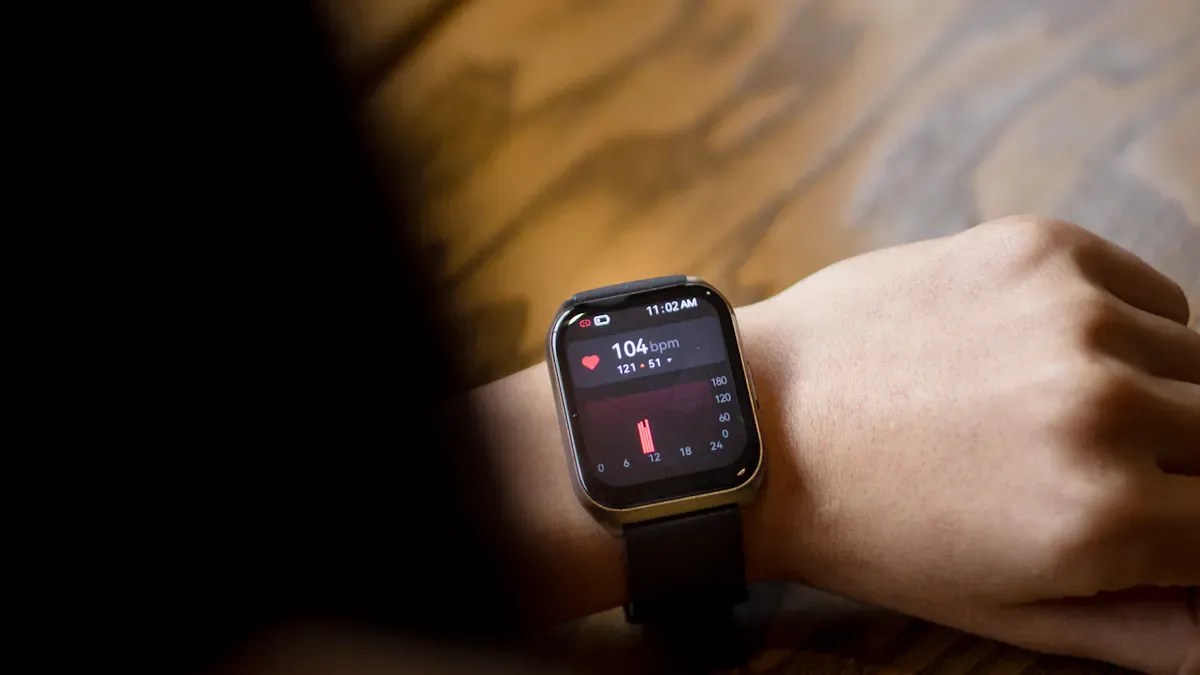
Smart watches have many benefits that can make your life easier and more fun. Let’s look at some of the main advantages you can enjoy with these cool devices.
Convenience
Instant Notifications
Imagine getting all your important alerts right on your wrist! Smart watches keep you updated without taking out your phone. You can get alerts for calls, messages, and social media updates right away. This helps you stay connected while keeping your hands free. Plus, you can manage notifications easily. For example, you can use Do Not Disturb mode to focus on tasks without interruptions.
Easy App Access
Smart watches let you access different apps quickly. You can check your calendar, set reminders, and even use GPS to find your way. This makes it easier to manage your time and stay organized. With smart watches, you can also boost your productivity. You can handle tasks and check emails on the go, which is super helpful on busy days.
Here’s a quick look at some features that improve convenience:
- Time Management: Stay organized with calendar reminders and alarms.
- Travel Assistance: Use GPS to explore new places easily.
- Payment Function: Make quick payments with contactless options.
Health Tracking
Heart Rate and Activity
Health tracking is one of the best features of smart watches. They can check your heart rate and track your activity. In fact, about 82% of users often use health tracking features. This information helps you understand your fitness levels and encourages you to stay active. Many smart watches are 95% accurate for heart rate monitoring, making them reliable tools for your health journey.
Sleep Monitoring
Getting enough sleep is important for your well-being. Smart watches can help you track your sleep patterns, so you can make changes for better rest. About 55% of users actively use sleep tracking features. By looking at your sleep quality, you can improve your nightly routine and wake up feeling refreshed.
Here’s a quick overview of the health benefits reported by users:
| Health Benefit | Percentage of Users |
|---|---|
| Use devices to track daily activity | More than 60% |
| Encouraged to exercise more often | Over 70% |
| Monitor sleep patterns | About 55% |
| Positive impact on mental health | 80% |
Connectivity
Calls and Messages
Smart watches improve communication by letting you make calls and send messages from your wrist. This feature is especially helpful for parents and kids. Smart watches can have restricted calling and contact management features, keeping communication safe and secure. You can even set calls from parents to auto-answer, giving you peace of mind.
Device Integration
Smart watches connect easily with other devices, improving your overall experience. They link via Bluetooth, Wi-Fi, and even 4G calling, letting you control smart home devices or manage documents from your wrist. This connectivity makes it easier to stay organized and connected throughout your day.
Drawbacks of Smart Watches

Smart watches have many good points, but they also have some downsides. Knowing these cons can help you decide if a smart watch is right for you.
Distractions
Notification Overload
One big problem with smart watches is too many notifications. You might get lots of alerts for calls, messages, and app updates. This flood of notifications can make it hard to focus on what matters. Studies show that using smart watches for health tracking can raise anxiety levels. Real-time alerts about your health or tasks can feel overwhelming. Instead of being helpful, they can cause stress.
Tip: Think about changing your notification settings to cut down on distractions. You can focus on important alerts and silence the less important ones.
Here are some common distractions from using smart watches:
- Texting can break your focus, especially in places like classrooms.
- Location tracking might lead to getting off task.
- Access to games and streaming apps can pull your attention away during important tasks.
Focus Reduction
Smart watches can also hurt your attention span. If you keep checking your watch for updates, it can be hard to concentrate on work or conversations. This is especially tough for people with attention issues. Some smart watches have features to help you focus, but the distractions they create can often be worse.
Battery Life Issues
Frequent Charging
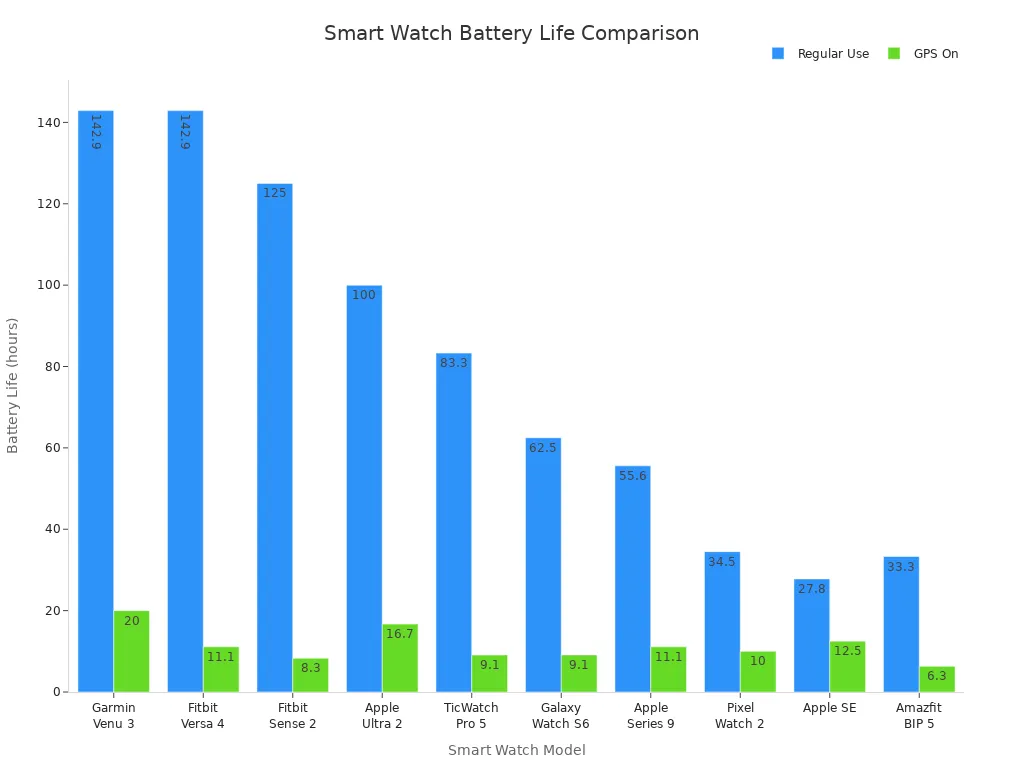
Battery life is another big downside of smart watches. Many users say they need to charge their devices every day. For example, Apple Watch users usually spend about 60 to 90 minutes charging their watches to use them all day. This daily charging can mess up your routine, especially if you forget to charge it overnight.
Here’s a quick look at the average battery life of popular smart watch models:
| Product | Regular Use (hours) | GPS Turned On (hours) |
|---|---|---|
| Garmin Venu 3 | 142.9 | 20 |
| Fitbit Versa 4 | 142.9 | 11.1 |
| Apple Ultra 2 | 100 | 16.7 |
| Galaxy Watch S6 | 62.5 | 9.1 |
| Pixel Watch 2 | 34.5 | 10 |
Non-Replaceable Batteries
Many smart watches have batteries that cannot be replaced. This means that when the battery dies, you often need to get a new device. This can create more electronic waste, as people throw away their watches instead of fixing them. This behavior has a big impact on the environment, adding to the e-waste problem.
Cost Considerations
High Initial Investment
Smart watches can cost a lot. A basic model usually costs between $100 and $250. More advanced models can cost $250 to $800 or even more. This high price can stop many people from buying one.
| Model Type | Price Range |
|---|---|
| Basic Smartwatches | $100 – $250 |
| Sophisticated Smartwatches | $250 – $800 and up |
Replacement Costs
Besides the initial price, replacing and repairing smart watches can be more expensive than traditional watches. For example, changing the battery for an Apple Watch can cost around $99. Traditional watches usually don’t have such costs. Repair prices can vary a lot based on the brand and type of repair needed.
- Samsung sets repair costs based on each case, while Apple has fixed prices.
- Smart watches usually have higher replacement costs because of their complex designs and non-removable batteries.
Knowing these drawbacks can help you think about the pros and cons of smart watches. While they offer convenience and features, the possible distractions, battery problems, and costs are important things to think about.
In conclusion, smart watches have both good and bad sides. They are convenient, help with health tracking, and keep you connected. However, they can also be distracting, have battery problems, and cost a lot. When thinking about buying one, look at things like how well it works with your phone, battery life, and health features. Here are some important points to consider:
- Compatibility and App Integration
- Bluetooth vs. 4G Calling
- Display and Screen Size
- Health Monitoring Features
- Sleep Tracking Capabilities
- Fitness Features
- Battery Life
In the end, pick a smart watch that suits your lifestyle and meets your needs. Enjoy shopping! 🎉
FAQ
What features should I look for in a smart watch?
Look for features like health tracking, notifications, and app access. Consider battery life and compatibility with your smartphone too.
Can smart watches help with fitness?
Absolutely! Smart watches can help you save and record workouts, track your heart rate, and monitor your activity levels. They provide valuable health benefits.
How do I charge my smart watch?
Most smart watches come with a charging dock or cable. Simply connect it to a power source, and it should charge quickly.
Are smart watches waterproof?
Many smart watches are water-resistant, but check the specifications. Some can handle swimming, while others may only withstand splashes.
How long does the battery last?
Battery life varies by model. Some last a day, while others can go for several days on a single charge.
Can I use a smart watch without a smartphone?
You can use some features without a smartphone, but many functions, like notifications and apps, require a connection to your phone.
Do smart watches track sleep?
Yes! Most smart watches can monitor your sleep patterns, helping you improve your rest and overall health.
Are smart watches worth the investment?
If you value convenience, health tracking, and connectivity, a smart watch can be a great investment for your lifestyle.