

When fixing things at home, you might choose between hand tools and power tools. Both have good points. Knowing these can help your work. Hand tools are cheap and easy to carry. Power tools are fast and work well. Think about what you need and the job you are doing. Safety is important. Look for tools with guards and grips that don’t slip. This will help you fix things safely.
Key Takeaways
- Hand tools are cheap and give you better control. They are great for small repairs.
- Power tools help you save time and energy. They are best for big projects that need speed.
- Taking care of your tools, like cleaning and oiling them, makes them last longer. It also helps them work well.
- Having both hand tools and power tools in your toolkit improves your DIY skills. It makes your projects turn out better.
- Safety is very important. Always pick tools with safety features. Follow the rules to avoid accidents while you work.
Hand Tools Overview
Definition and Benefits
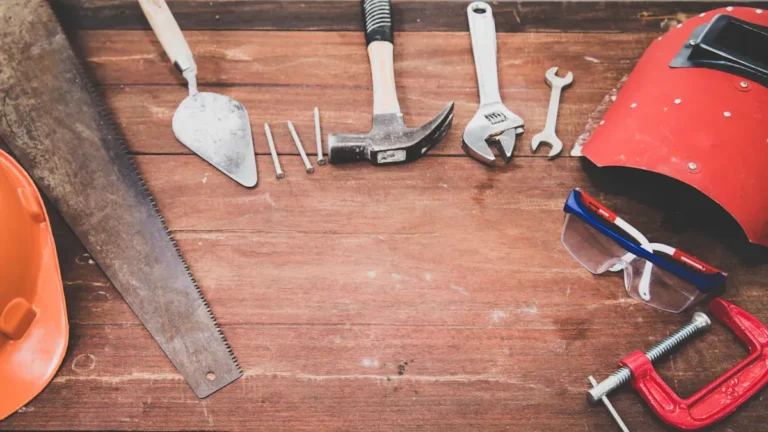
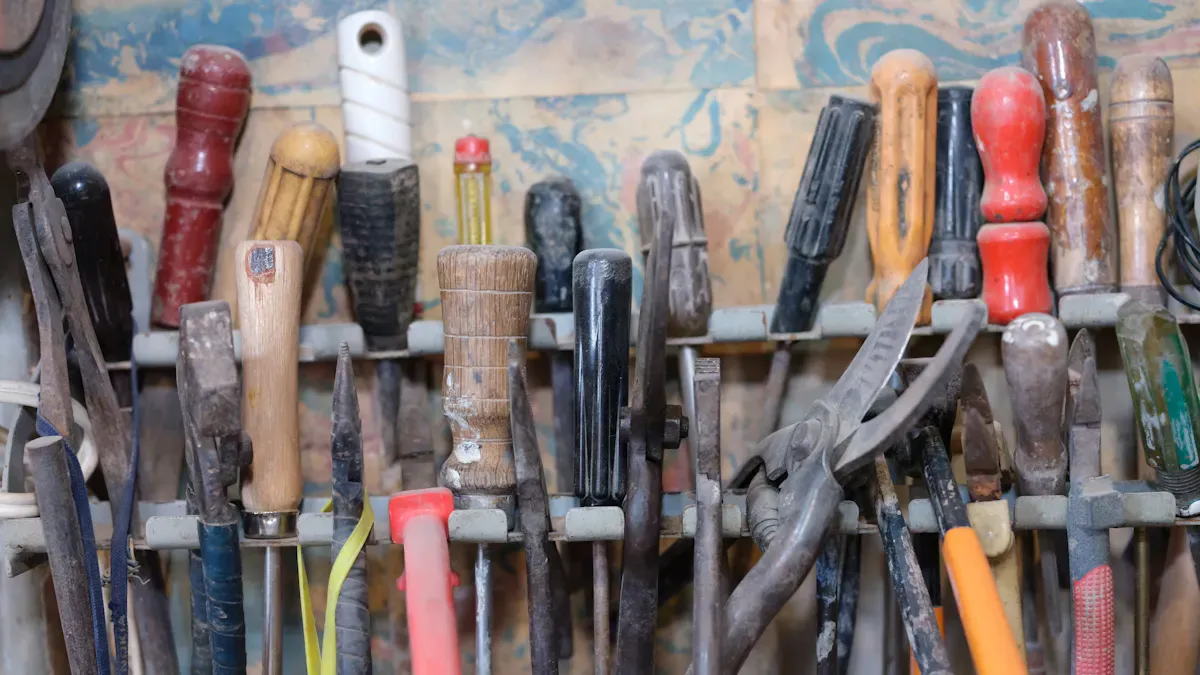
Hand tools are very important for homeowners who want to fix things. Tools like hammers and screwdrivers help you do precise work. They give you better control and lower the chance of damage that can happen with power tools. Here are some main benefits of using hand tools:
- Cost savings: You can do small repairs yourself. This saves you from paying a technician and stops bigger problems.
- No wait time: With hand tools, you can fix problems right away. You don’t have to wait for a professional.
- Convenience: You can work at your own speed. Make repairs when it is best for you.
- Self-sufficiency: Using hand tools helps you feel proud and independent in taking care of your home.
Maintenance and Versatility
To keep your hand tools working well, regular maintenance is very important. Here are some tips to make them last longer:
- Proper Cleaning: Clean your tools often to keep them working well. Use a wire brush or sandpaper to get rid of rust and dirt. For general cleaning, mild soap and water are good, but dry them well to stop rust.
- Lubrication: Tools like pliers and wrenches need oil to work smoothly. Lubricate moving parts often to reduce wear.
- Inspection: Look at your tools regularly for signs of wear or damage. Finding small problems early can stop bigger issues later.
- Storage: Keep your hand tools in a dry, cool place to prevent moisture damage.
Hand tools are very flexible, making them great for many home repair jobs. They give you the precision needed for careful tasks, like woodworking, where mistakes can be costly. Plus, they usually cost less than power tools, so beginners can afford them. Choosing the right hand tool is key for getting good results in your projects.
Whether you’re adjusting nuts or smoothing edges with chisels, hand tools give you the control needed for detailed work. They have special functions that powered tools may not have, like measuring and pulling tools.
Power Tools Essentials
Types and Uses
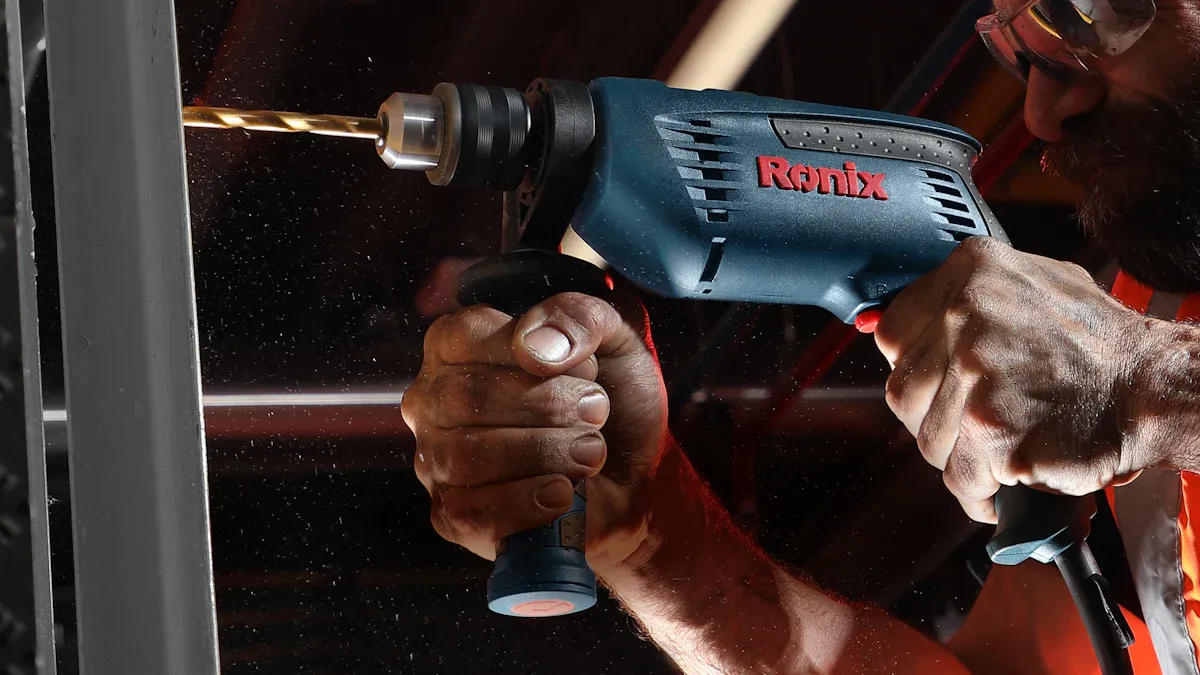
Power tools are great for bigger home repair jobs. They come in different types, each made for specific tasks. Here’s a quick look at some common power tools and what they do:
- Cordless Power Drill: This handy tool is good for drilling holes and driving screws. You’ll use it when putting together furniture or hanging shelves.
- Circular Saw: This saw is perfect for making straight cuts in wood and other materials. It’s a must-have for serious DIY projects.
- Jigsaw: Use this tool for detailed cuts and curves. It’s great for crafting and careful woodworking.
- Miter Saw: This tool is best for making precise angled cuts, especially for trim or molding.
- Reciprocating Saw: This tool is great for demolition work. It lets you cut through different materials quickly.
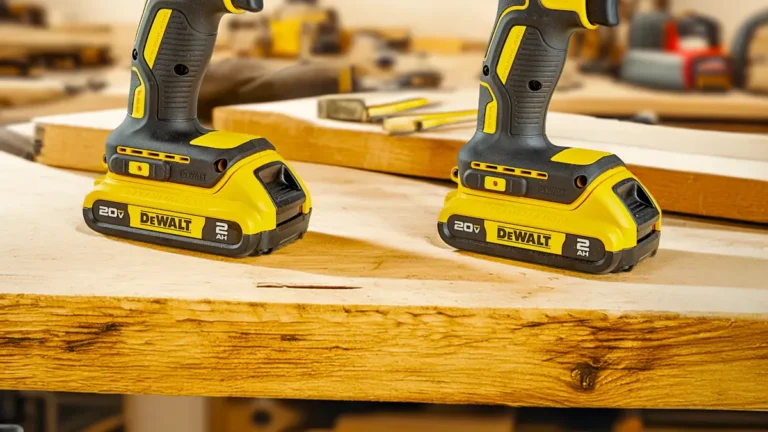
Power tools run on electricity, batteries, or gasoline. They save you time and energy, making them perfect for tough jobs. For example, a cordless power drill helps you finish tasks much faster than a manual drill.
Advantages for Heavy-Duty Work
For heavy-duty projects, power tools are the best choice. They give you the strength and speed needed to finish the job well. Here are some main benefits:
- Efficiency: Power tools can do tasks up to 30% faster than hand tools. This means you can finish your projects quicker and start new ones.
- Precision: Tools like circular saws and miter saws make straight, even cuts. This kind of accuracy is hard to get with hand tools.
- Less Physical Strain: Using power tools makes tasks easier. You won’t get tired as fast, which helps with bigger projects.
- User-Friendly: Many power tools are easy to use. You don’t need to be an expert to get good results. For example, a beginner power tool set can have everything you need to start your DIY projects without being too complicated.
Here’s a quick comparison of power tools and hand tools regarding skill needs:
| Tool Type | Skill Requirement |
|---|---|
| Hand Tools | High level of skill and practice needed |
| Power Tools | Lower skill requirement for similar results |
DIY Tool Selection
Must-Have Hand Tools
When you start DIY home repairs, having the right hand tools is very important. These tools are the main part of any beginner tool set a homeowner should own. Here’s a list of important hand tools for your projects:
- Screwdriver: Great for putting together and taking apart furniture and appliances.
- Hammer: A must-have for putting in and taking out nails, and hanging things.
- Hex key set: Useful for tightening or loosening hex screws.
- Tape measure: Important for measuring spaces and hanging things correctly.
- Level: Makes sure that items are hung straight.
- Pliers: Good for gripping and cutting different materials.
- Adjustable wrench: Helps loosen nuts and fasteners of different sizes.
These tools give you precision and control, making them perfect for careful tasks like woodworking. As a homeowner, you should focus on these tools based on the projects you will do, the materials you will use, and your budget.
Must-Have Power Tools
Power tools are very helpful for bigger home improvement projects. They bring speed and efficiency to your renovation tasks. Here’s a list of must-have power tools for any homeowner:
- Cordless Drill/Driver: Useful for drilling holes and driving screws, important for tasks like putting together furniture and hanging shelves.
- Circular Saw: Great for making quick, straight cuts in wood and sheet materials.
- Orbital Sander: Gives a professional finish for wood surfaces, perfect for refinishing furniture.
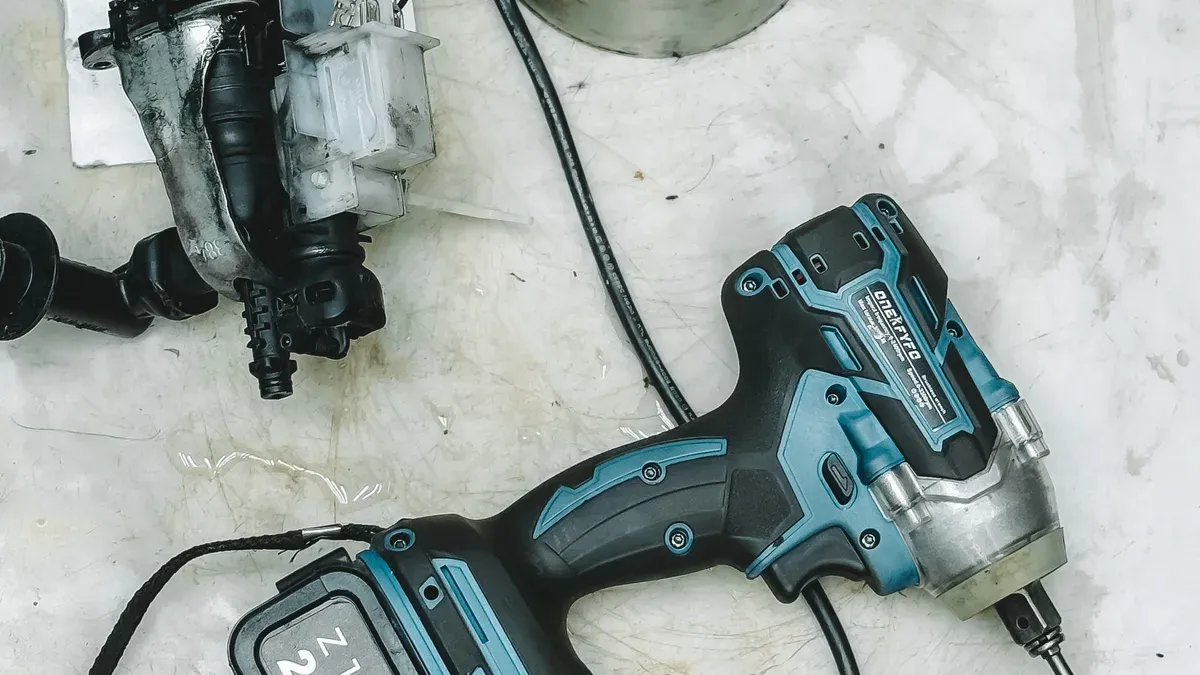
- Cordless Impact Driver: Provides extra power for driving screws into tough materials.
- Power Washer: Good for cleaning outdoor areas like driveways and decks.
These tools improve efficiency by offering mobility and flexibility. Cordless tools let you work anywhere in your home without being tied to power outlets. Plus, they lower tripping hazards, making your workspace safer.
When deciding between hand tools and power tools, think about the type of work you will do. Here’s a quick comparison:
| Tool Type | Advantages | Best For |
|---|---|---|
| Hand Tools | Precision and detail work | Detailed tasks |
| Power Tools | Efficiency and speed | Larger projects |
Think about the specific task, the kind of work, and the main features you need in a tool. This way, you can choose the right tools for your DIY projects, making your home renovation experience better.
Picking the right tools for home repairs is very important. Hand tools give you precision and control. Power tools help you work faster and more efficiently. By getting both types, you can save money and stay safe in the long run. Look at the table below for a quick look at these benefits:
| Benefit | Explanation |
|---|---|
| Cost Savings | Good tools last longer and need fewer repairs, which saves you money over time. |
| Increased Productivity | Efficient tools help you finish projects faster, which can lead to more profits. |
| Improved Safety | Reliable tools lower the chance of accidents and injuries while fixing things at home. |
| Enhanced Quality | High-quality tools help you do better work, making your projects strong and nice to look at. |
| Durability of Projects | Buying strong tools means your projects will last longer and handle wear and tear. |
Keep in mind that good feedback from others can help you decide. As Lee says, “Positive public feedback is invaluable.” So, think about using both hand tools and power tools to create a complete toolkit that fits your needs. Happy repairing!
FAQ
What are the main differences between hand tools and power tools?
Hand tools need your strength and skill. Power tools use electricity or batteries. Hand tools are great for precise work. Power tools are faster and better for big projects.
Which hand tools should I start with?
Start with basic tools like a hammer, screwdriver, tape measure, and pliers. These tools help with most simple repairs. They also help you feel more confident in your DIY skills.
Are power tools safe for beginners?
Yes, power tools can be safe for beginners if you follow safety rules. Always read the manual, wear safety gear, and practice using the tool before starting your project.
How do I maintain my tools?
Keep your tools clean and dry. Check them often for damage, oil moving parts, and store them safely in a dry place. Good care helps them last longer.
Can I use both hand tools and power tools for the same project?
Yes! Using both types of tools can make your work easier and more precise. Use hand tools for detailed tasks and power tools for heavy jobs to get the best results.