


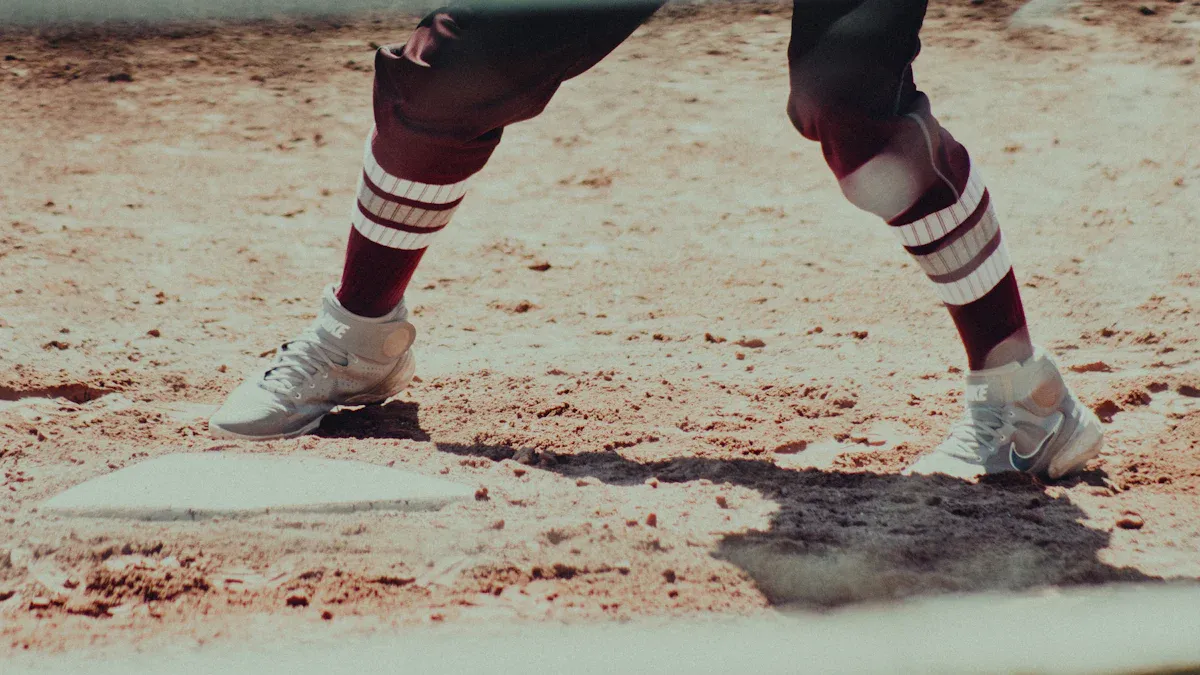
You might wonder if your cotton socks can actually rub off leg hair. The answer is yes, especially when you wear them tight or for long hours. Friction from the sock material creates irritation, which may lead to hair loss.
Tight socks often pull at hair roots, causing soreness or discomfort.
Key Takeaways
Cotton socks can cause leg hair loss due to friction and tightness. Choose socks that fit well to minimize irritation.
Look for soft, moisture-wicking materials like bamboo or merino wool. These fabrics reduce rubbing and keep your skin comfortable.
If you notice redness or soreness after wearing socks, take a break. Allow your skin to recover and avoid tight socks.
Regularly check your legs for signs of irritation. Early detection can help prevent more serious skin and hair issues.
Maintain good skin care by washing and moisturizing your legs daily. Healthy skin supports healthy hair growth.
Cotton Socks and Hair Loss
Friction from Cotton Socks
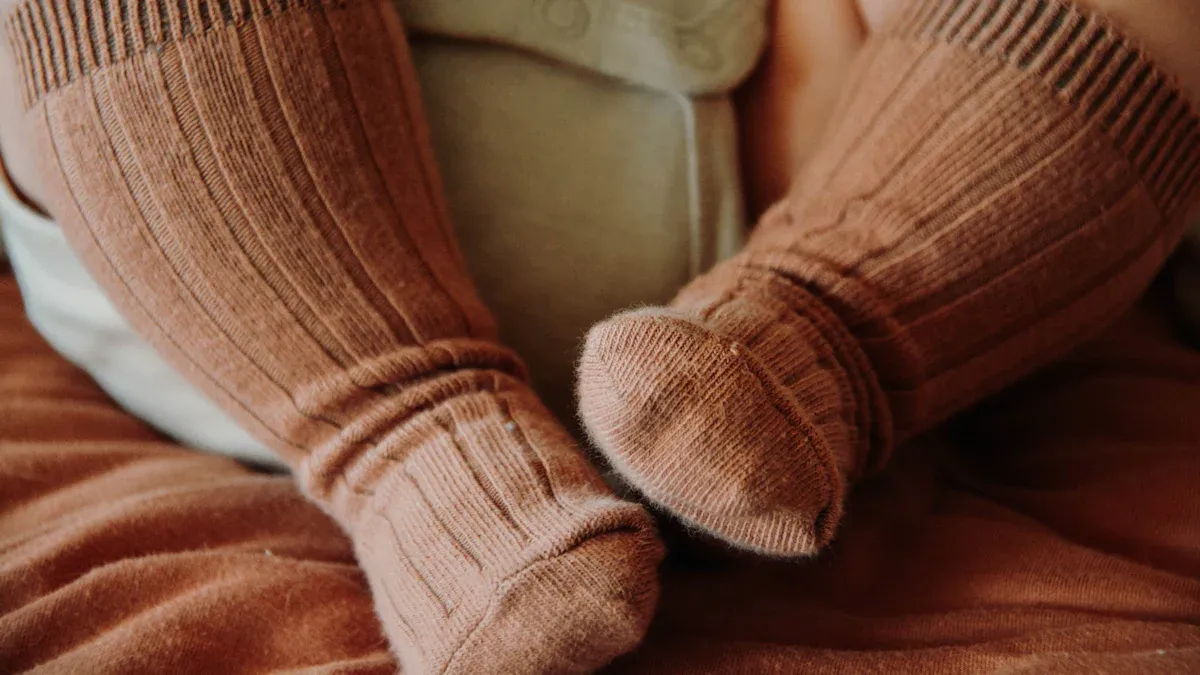
When you pull on cotton socks, you might feel a bit of rubbing against your skin. This friction can cause irritation and discomfort, especially if you wear socks for long periods. You may notice redness, itching, or even burning sensations on your legs. Sometimes, the skin gets dry and scaly, or you might see small blisters. These symptoms show that your skin is reacting to the constant movement and pressure from the socks.
A study found that friction from socks and shoes can lead to hair loss on the lower legs. Cotton socks often hold moisture and can become rough when wet, which makes them more abrasive. This roughness can damage hair follicles and make hair fall out. Dermatologists also link friction to changes in hair and skin health, so wearing cotton socks every day can affect your legs over time.
If you see a rash or feel soreness after wearing cotton socks, you are not alone. Many people experience these symptoms, especially around the ankles.
Tightness and Hair Pulling
Cotton socks that fit tightly around your calves or ankles can grip your skin and hair. This tight grip sometimes causes a condition called “Crew Sock Calf Sting.” You might feel pain or notice hair missing where the socks press hardest. Chronic pressure from tight socks can lead to soreness and even permanent hair loss in those areas.
Researchers have studied how sock tightness affects hair follicles. The table below shows what they found:
Study Title | Findings |
|---|---|
Frictional (Sock) Alopecia of the Legs: Trichoscopy as an Aid | Tight socks can cause frictional alopecia, which means hair loss from rubbing and pressure. |
Frictional Hair Loss in Iraqi Patients | Continuous pressure from socks leads to hair loss, showing that tightness affects hair follicle health. |
Some people are more likely to lose leg hair from cotton socks. If you are over 50, have diabetes, or poor blood circulation, you may notice hair loss sooner or more often.
Age over 50 increases the risk of leg hair loss.
Diabetes can cause earlier hair loss because of poor blood flow.
Poor circulation makes hair loss on the lower legs more common.
You might see symptoms like redness, itching, burning, skin rashes, dry skin, or small blisters. These signs mean your skin and hair follicles are under stress from your socks.
Causes of Leg Hair Loss
Frictional Alopecia
Frictional alopecia is a type of hair loss that happens when something rubs against your skin over and over. You might notice this if you wear socks that fit tightly or if your socks move a lot during the day. When your socks press against your legs, they can pull at the hair and cause it to fall out. This is common in places where clothing touches your skin the most.
Here are some facts about frictional alopecia:
It happens when friction or pulling damages the hair.
You often see it in areas where socks or pants rub against your legs.
People who wear tight socks, like athletes or workers, may notice patches of missing hair.
There was a case where a soccer referee lost hair on his legs exactly where his socks touched his skin.
You might think only socks cause this, but other things can lead to leg hair loss, too:
Peripheral artery disease (PAD)
Diabetes
Thyroid problems, like hypothyroidism
Hormonal changes during pregnancy or menopause
Poor circulation, which causes about 41% of hair loss cases
Skin conditions such as dermatitis, psoriasis, or eczema
Long-term use of steroids
Certain medicines, like blood thinners or chemotherapy drugs
Extended Wear Effects
Wearing cotton socks for long hours can also affect your skin and hair. Cotton socks tend to hold moisture, especially if your feet sweat. When your skin stays damp, it can get irritated more easily. This irritation might not seem like a big deal at first, but over time, it can hurt your hair follicles and make hair fall out.
You might notice:
Redness or itching after wearing socks all day
Dry or scaly skin where the socks sit
Painful spots, sometimes called “Crew Sock Calf Sting,” where high socks press against your legs
If you have sensitive skin or health problems like diabetes, you may see these effects sooner. Keeping your legs dry and choosing socks that fit well can help protect your skin and hair.
Prevention Tips

Choosing Socks
You want socks that feel soft and gentle on your skin. Look for socks made from smooth materials like bamboo or merino wool. These fabrics help reduce rubbing and keep your legs comfortable. If you sweat a lot, pick socks that wick away moisture. Dry skin means less irritation. You can check the label for words like “moisture-wicking” or “seamless.” Seamless socks have fewer rough edges, so your skin stays safe.
Tip: Try different brands until you find socks that work best for your legs.
Proper Fit
Socks should fit snug but not tight. If your socks leave deep marks or feel uncomfortable, you may need a bigger size. Loose socks can bunch up and rub your skin, while tight socks squeeze your legs and pull at your hair. Use this table to help you choose the right fit:
Sock Feature | What to Look For |
|---|---|
Size | Matches your shoe size |
Elastic Band | Stays up but does not pinch |
Length | Covers your leg without bunching |
You can test the fit by wearing socks for a few hours. If you feel pain or see marks, try another pair.
Skin Care
Taking care of your skin helps prevent irritation. Wash your legs every day with gentle soap. Dry your skin well before putting on socks. You can use lotion to keep your skin soft and healthy. If you notice redness or itching, give your legs a break from socks for a while. You might want to wear socks only when needed.
Wash and dry your legs daily
Use lotion for dry skin
Rest your legs if you feel soreness
Note: If you have diabetes or poor circulation, check your legs often for changes.
You now know what causes leg hair loss when you wear socks. Friction and tightness play the biggest roles. If you want to avoid irritation, choose socks that fit well and feel soft. Take care of your skin and check for any soreness or redness.
Want healthy legs? Pick gentle socks and give your skin a break sometimes.
FAQ
What is frictional alopecia?
Frictional alopecia means you lose hair because something keeps rubbing your skin. Socks, shoes, or tight pants can cause this. You might see bald spots where your socks touch your legs.
What are signs that socks cause hair loss?
You might notice redness, itching, or small bald patches on your legs. Sometimes, your skin feels sore or looks dry where your socks sit.
What materials help prevent leg hair loss?
Soft materials like bamboo or merino wool help protect your skin. These fabrics feel smooth and wick away moisture. You can look for socks labeled “moisture-wicking” or “seamless.”
What should you do if you see hair loss from socks?
Take a break from wearing tight socks. Choose looser, softer socks. Keep your legs clean and dry. If you still see hair loss, talk to your doctor.
What health problems can cause leg hair loss besides socks?
Some health issues like diabetes, poor circulation, or thyroid problems can cause hair loss. If you notice sudden or severe hair loss, you should check with your doctor.
