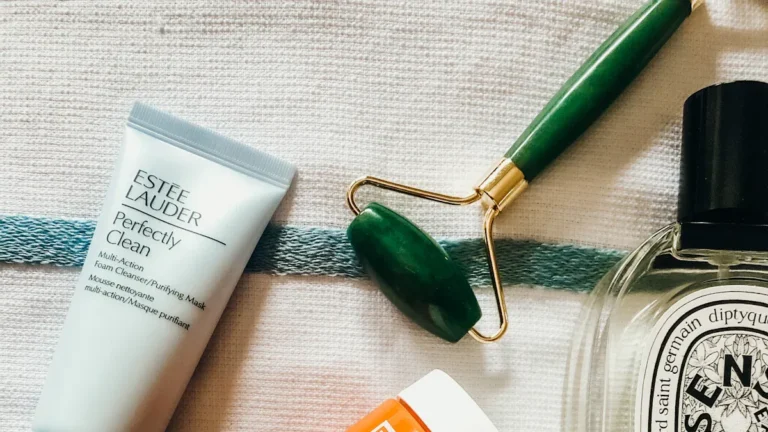


Premium packaging and higher prices often make purchases feel more satisfying. People report stronger confidence, smoother touch, and less mental clutter with upscale products. Status signals and self-image boost that sense of rightness in a purchase. Yet emotional value can outpace actual functional difference, shaping choices more than objective benefits.
Why Premium Products Feel Better
Premium products often win you over before you even use them. You notice the smooth box, the quiet weight, and the clean finish, and your mind starts to relax. That initial touch can feel like a small reward, because premium items turn buying into sensory rituals.
You slow down, pay attention, and feel part of a circle that values care and good taste. As a result, the product seems to match who you are. It can also feel like ethical indulgence whenever craft, quality, or organic choices line up with your values.
Subsequently the experience feels personal, not just expensive. Even simple details, like texture or scent, help you trust your choice and enjoy it more.
The Psychology of Premium Buying
You don’t just buy premium for the product itself, since you’re also buying the feeling that it says something clear about you. Whenever you choose a higher-priced brand, you often signal taste, success, and belonging without saying a word.
At the same time, that higher price can make the choice feel safer and better, which is why premium buying often feels so convincing.
Status Signaling
A luxury label does more than sell an object. It helps you speak without saying a word. Whenever you choose it, you join a visible circle, and that conspicuous display can ease your place in the social hierarchy.
You mightn’t be chasing applause, but you do want to feel seen, respected, and invited in. That’s why premium choices often work like social badges. They show taste, confidence, and a careful sense of fit.
At the same time, they can make gatherings feel smoother, because others read your choice as a signal of belonging. In that moment, the item matters less than the message: you know the code, and you can wear it well.
Perceived Value
Perceived value often starts before you even touch the product. You read the label, feel the box, and sense quality in a second.
That quick judgment helps you fit in with people who notice details and reward good taste. Premium brands use sensory valuation to make each texture, scent, and finish feel worth more.
They also give you cultural capital, since owning them can signal that you know what matters and where you belong.
- A heavy bottle can feel more trustworthy.
- Clean design can suggest care and skill.
- A familiar ritual can calm your choice.
- Limited items can make you feel chosen.
How Price Shapes Perceived Quality
You often judge quality based on price before you even try out a product, because a higher tag can make it feel safer, better made, and more worth your trust.
That price-quality shortcut works fast, so you might expect more comfort, better results, or a richer experience from the start.
At the same time, pricey items can also signal prestige, which makes you feel like you’re choosing something more exclusive and socially respected.
Price-Quality Heuristic
Whenever a price tag looks high, your brain often treats that as a quick clue that the item must be better, cleaner, or more skillfully made.
You lean on heuristic shortcuts because they save time, and you make value inference before you even try the product.
That split second can shape how you feel in the store and in your circle.
- A higher price can make a simple label seem safer.
- You might expect smoother taste or a better finish.
- Your mind fills gaps whenever details feel unclear.
- Trust grows fast whenever the cost matches your hopes.
Prestige Signaling
A high price tag does more than hint at quality, because it also sends a quiet message about status, taste, and belonging. Whenever you choose it, you’re not just buying an item. You’re joining a story that other people can read fast. That’s elite signaling at work.
The price, the packaging, and the name act like luxury emblems, so your choice feels polished and intentional. You might notice you stand a little taller, too, because the item seems to match the image you want to show. This matters most in shared spaces, where being seen can feel as crucial as owning. At that moment, price shapes quality in your mind, and your purchase feels like a small invitation into the circle you want.
Why Status Signals Change What We Feel
Upon a product signaling status, it doesn’t just change what other people believe of you, it can also change how you feel in the moment. You sense a lift because your mind reads the cue as social standing, and that can make you feel safer in the group.
Status signs also spread through emotional contagion, so the confidence around you starts to color your own mood.
- You notice warmer reactions from others.
- You feel more at ease in shared spaces.
- You trust the moment more quickly.
- You enjoy the choice before anyone speaks.
That small shift matters because belonging feels rewarding. So the object isn’t only seen, it’s felt, and your body often responds before your thoughts catch up.
How Self-Image Shapes Luxury Purchases
Your self-image has a quiet but strong pull on what you buy, because luxury often acts like a mirror for how you want to see yourself. Whenever you choose a polished watch, a bespoke coat, or a rare bottle, you’re not just picking an object. You’re shaping an aspirational identity that feels polished, capable, and welcome in the room.
This is symbolic consumption, and it lets you say, without speaking, “This is who I am.” You might reach for premium items because they line up with your values, your taste, and your wish to belong with people who notice detail. That match can feel reassuring, almost like the item already knows you. In that moment, the purchase feels personal, not random.
Why Premium Branding Feels More Credible
Premium branding feels credible because it gives your brain clear signals that calm doubt. Whenever you see polished design, steady packaging, and familiar names, you read strong brand credibility fast. Those trust cues help you feel like you’re making the same choice as people who know what they’re doing.
- Clean logos suggest care and control.
- Consistent colors make the brand easy to recall.
- A refined store setup feels more dependable.
- Clear messaging helps you relax and belong.
You don’t need to guess as much, and that relief matters. Your mind likes patterns, so it leans toward brands that look organized and respected. Even small details can say, “This group gets it.” That’s why premium branding can feel less risky, more social, and more worth your attention.
When a Higher Price Really Pays Off
A higher price really pays off once it buys you real peace of mind, not just a fancy label. You feel it whenever long term durability means fewer repairs, less stress, and more time for what you actually enjoy.
Then the cost starts to make sense because you’re not replacing things over and over. You also feel safer whenever ethical sourcing matches your values, since your money supports people and practices you can stand behind.
That kind of choice can help you fit in with others who care about quality and responsibility, too. So whenever you spend more, look for proof that the item works harder, lasts longer, and reflects who you want to be.
The Hidden Biases Behind Expensive Taste
- Subconscious cues from packaging can make a simple item feel rare.
- A high price can act like a shortcut for trust.
- Social signals can make you feel part of the right crowd.
- Familiar rituals can turn buying into a comfort habit.
These biases don’t make you foolish. They make you human, and they’re built to help you choose fast.
Once you notice them, you can enjoy premium style with clearer eyes.
How to Spend for Real Satisfaction
Real satisfaction starts once you stop asking, “What looks impressive?” and start asking, “What will I still value next month?” That small shift can save you from plenty of shiny regret. You don’t need to buy the loudest thing in the room to feel confident. Instead, use mindful spending to match each purchase with a real need, a favorite ritual, or a shared moment with people you trust. Then try sensory budgeting:
| Question | Your check |
|---|---|
| Will I use it often? | Yes or no |
| Does it feel good after the first hour? | Keep or skip |
| Does it fit my circle? | Belonging or noise |
When you spend this way, your choices feel calmer, warmer, and more like you.
Frequently Asked Questions
How Does Packaging Design Influence Premium Purchase Satisfaction?
You feel more satisfied whenever packaging uses tactile cues and unboxing theater, because it signals care, exclusivity, and belonging. You’ll sense higher quality, recall the moment longer, and enjoy the purchase before you even use it.
Why Do Limited Editions Feel More Desirable Than Standard Products?
Limited editions feel more desirable because you see scarcity signaling and collectible appeal at once; like a medieval badge, they tell you you’re in the know, and you’ll belong with others who value rarity and exclusivity.
Can Luxury Purchases Improve Mood Through Anticipation Alone?
Yes, you can feel better before buying, because anticipation placebo and future savoring enhance mood. You envision status, belonging, and pleasure, and that expectation alone can lift your confidence, even before the luxury arrives.
How Do Brand Rituals Make Expensive Products Seem Trustworthy?
You trust expensive products whenever brand rituals replace doubt with ceremony cues and symbolic touchpoints. You see consistency in unboxing, packaging, and service, so you feel included, reassured, and sure you belong.
What Role Does Memory Play in Preferring Premium Experiences?
Memory makes you prefer premium experiences because sensory nostalgia and associative conditioning link textures, scents, and packaging to earlier pleasure. You feel comfort, confidence, and belonging, so the choice seems right and rewarding.