
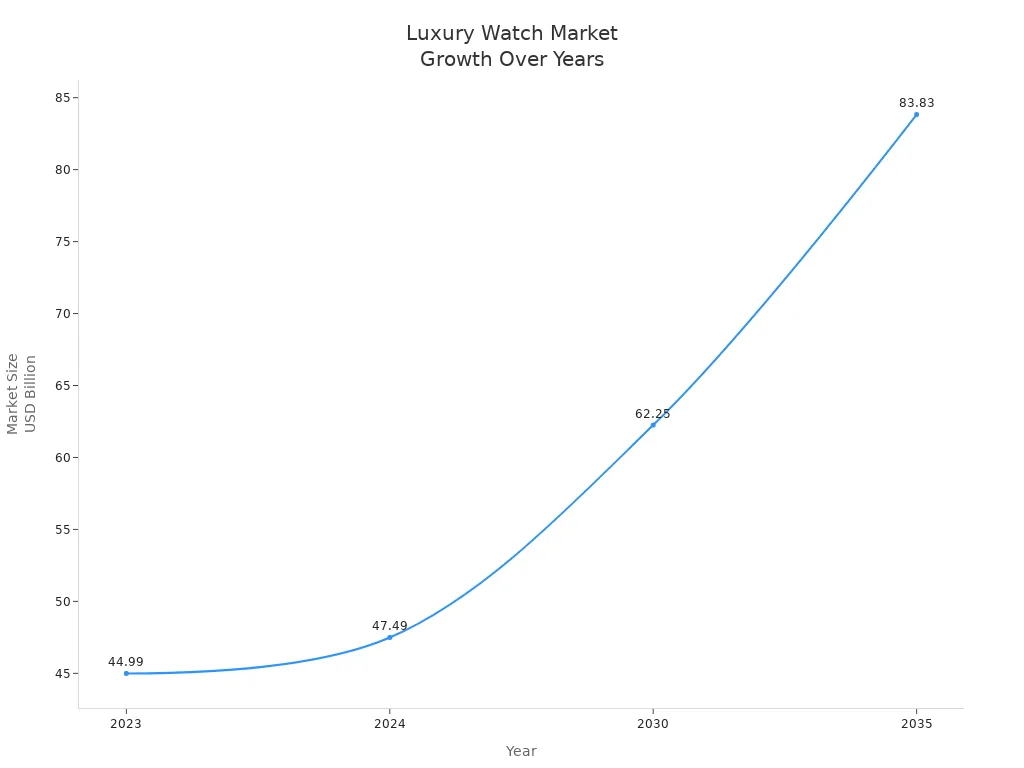
You might wonder how luxury watch sales perform in today’s market. The global luxury watch market reached about $40 billion in 2023, growing around 5% from the previous year. Experts expect this growth to continue steadily, reaching $42 billion in 2024. Rising incomes and growing interest in luxury brands drive this trend.
| Year | Market Size (USD Billion) | CAGR (%) |
|---|---|---|
| 2023 | 44.99 | N/A |
| 2024 | 47.49 | N/A |
| 2030 | 62.25 | 4.7 |
| 2035 | 83.83 | 5.3 |
You will notice more people view luxury watches as smart investments. Also, many buyers now prefer online shopping.
These facts show how luxury watch sales remain strong and continue gaining momentum.
Market Trends
Sales Data
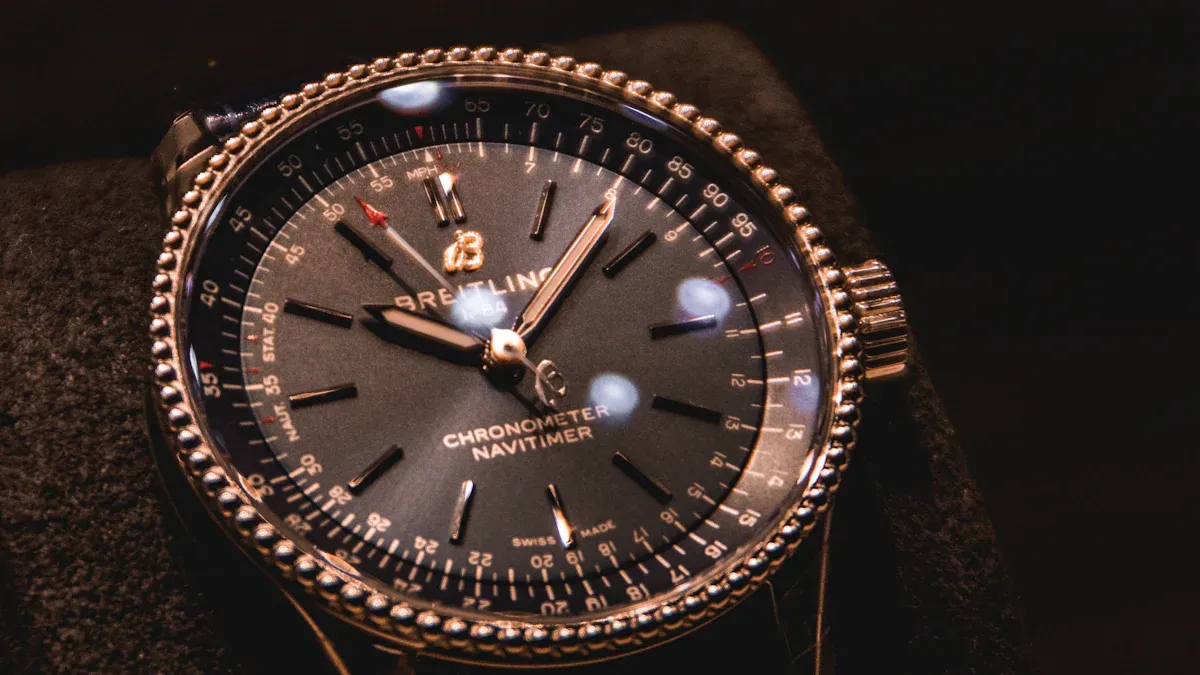
Recent sales data reveals a robust recovery in luxury watch sales. In 2023, Europe accounted for approximately 35% of global luxury watch sales. North America followed closely with a 25% market share, while the Asia-Pacific region represented 20%. Notably, the United States generated around $10 billion in sales, making it the largest individual market for luxury watches.
You can expect significant growth in the Asia-Pacific region. By 2024, this area is projected to reach 25% of global sales, driven by increasing wealth in countries like China.
Here’s a quick overview of the sales distribution:
- Europe: 35%
- North America: 25%
- Asia-Pacific: 20%
- United States: $10 billion in sales
Luxury watch brands have also seen impressive growth. For instance, Jacob & Co. emerged as the fastest-growing Swiss watch brand, achieving record revenues of $180 million and nearly 25% growth. Rolex exceeded $11 billion in sales, marking a significant increase in its market presence.
Pre-Owned Options
The pre-owned luxury watch market has gained traction in recent years. In 2024, this market reached a size of $26.7 billion, with projections estimating it could grow to approximately $59.2 billion by 2033. This growth reflects a compound annual growth rate (CAGR) of 9.2% from 2025 to 2033.
Modern buyers, particularly Millennials and Gen Z, increasingly favor pre-owned luxury goods. They appreciate the sustainability aspect and view these items as smart investments.
Here’s a summary of the pre-owned luxury watch market:
| Evidence | Description |
|---|---|
| Market Size | The global pre-owned luxury watch market reached $26.7 billion in 2024. |
| Projected Value | Expected to reach approximately $59.2 billion by 2033. |
| Consumer Behavior | Younger consumers favor pre-owned luxury goods for sustainability and value. |
This shift in consumer attitudes highlights a broader trend in luxury watch sales. As you consider your next purchase, keep in mind the growing appeal of pre-owned options. They not only offer unique pieces but also align with modern values of sustainability and investment.
Demand Drivers
Economic Recovery
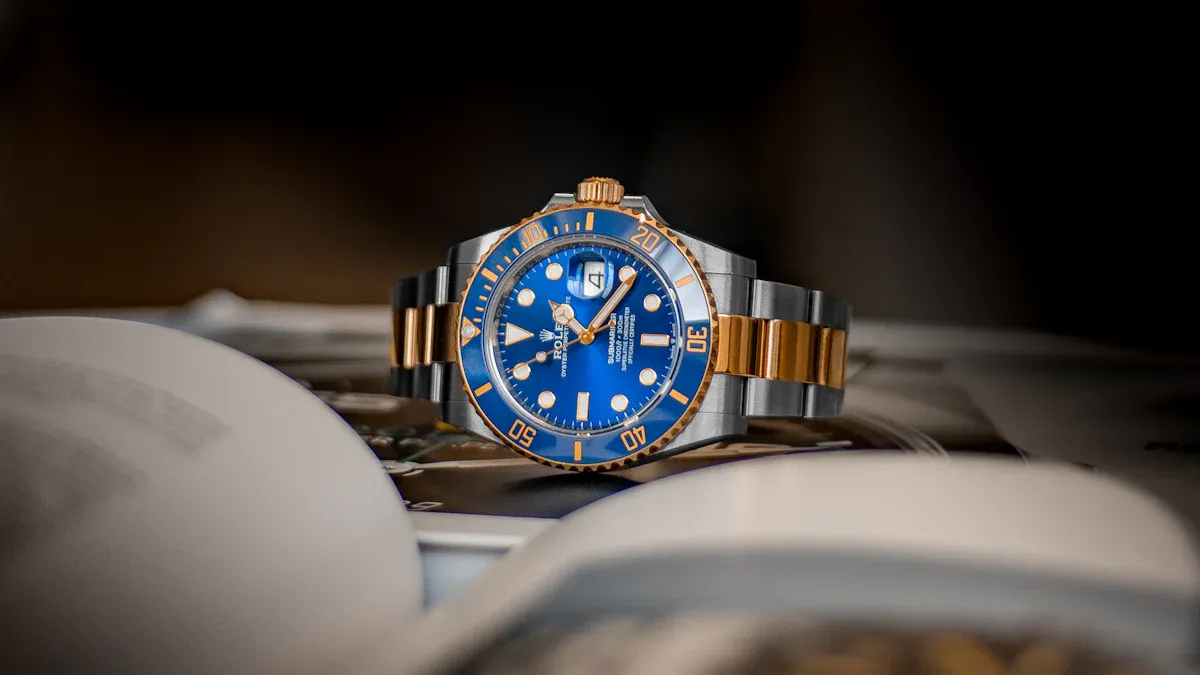
The economic recovery following the pandemic plays a significant role in driving luxury watch sales. As disposable incomes rise, especially in emerging markets, you can expect increased demand for luxury items. Here are some key economic indicators that correlate with this trend:
| Economic Indicator | Description |
|---|---|
| Rising Disposable Incomes | Increased purchasing power in emerging markets leads to higher demand for luxury watches. |
| Consumer Perceptions | Luxury watches are viewed as status symbols, driving demand among affluent consumers. |
| Economic Growth | Countries like China and India show significant GDP growth, correlating with increased luxury sales. |
In fact, the Federation of the Swiss Watch Industry reported a remarkable 31.7% increase in Swiss watch exports in 2021 compared to 2020. This surge reflects a broader recovery in the luxury sector. China’s GDP growth rate averages around 6-7% annually, while India’s GDP growth has averaged around 6-8%. These figures indicate a strong rebound in consumer spending on luxury watches.
You may also notice that the global sales of second-hand luxury products are increasing. Consumers now invest in long-lasting, quality items post-pandemic. Luxury brands are producing limited inventory, enhancing the exclusivity and appeal of pre-owned luxury watches. The demand for high-end timepieces as status symbols is growing, reflecting a shift in consumer preferences.
Social Media Influence
Social media has transformed how luxury watch brands engage with consumers. Platforms like Instagram and TikTok have become essential for marketing luxury watches. Here’s how social media impacts luxury watch sales:
- Satisfied customers share their watch collections and experiences, providing free advertising and building a community.
- User-generated content (UGC) offers authenticity, which is crucial as consumers are skeptical of traditional advertising.
- The visual nature of Instagram creates a fear of missing out (FOMO), driving demand for luxury watches.
- High-quality imagery and persuasive captions lead to increased impulse buying among consumers.
Instagram stands out as an ideal platform for showcasing products through engaging visual content and influencer collaborations. Facebook offers unmatched targeting capabilities for reaching specific luxury market segments. TikTok focuses on trends and engages younger audiences, while Pinterest serves as a source of inspiration and visual discovery.
As you explore the luxury watch market, consider how social media shapes consumer preferences. Younger buyers favor digital engagement, sustainability, and customization. The demand for certified pre-owned watches and limited-edition collaborations reflects an appreciation for scarcity and heritage.
Brand Strategies
Marketing Adaptations
Luxury watch brands have adapted their marketing strategies to connect with discerning customers. Creating an omnichannel content strategy is essential. This approach ensures a seamless experience across all platforms, from social media to e-commerce websites. Here are some key strategies brands are implementing:
| Strategy | Description |
|---|---|
| Enhanced Education and Training | Brands develop training programs focusing on product knowledge and sustainability. |
| Digital Tools for Scalable Training | Retail employees receive continuous learning updates through digital platforms. |
| Smart Incentive Programs | Sales contests and recognition programs motivate retail employees. |
| Data-Driven Decisions | Brands utilize analytics to monitor consumer behavior and tailor marketing strategies. |
Additionally, luxury brands are leveraging influencer partnerships to reach new audiences. Collaborating with micro-influencers helps build authentic connections. Creating exclusive communities fosters deeper engagement with customers. These strategies enhance brand visibility and drive luxury watch sales.
Customer Engagement
Engaging customers effectively is crucial for building loyalty in the luxury watch market. Brands focus on personalized experiences to enhance exclusivity. Here are some initiatives that luxury watch brands are using:
- Personalization and Customization: Tailored experiences and products make customers feel valued.
- VIP and Exclusive Experiences: Hosting member-only events fosters social connections and allows for product testing in exclusive settings.
- Knowledgeable and Empathetic Staff: Well-trained employees boost customer confidence and satisfaction.
- Clienteling: Maintaining personalized relationships through digital platforms helps track preferences and enhance loyalty.
- Loyalty Programs: Brands focus on value-added services rather than discounts to nurture loyalty.
Extended warranties and after-sales services also play a significant role in influencing purchase decisions. These services enhance brand loyalty and provide peace of mind to buyers. They ensure the longevity of the investment and maintain the authenticity of luxury items.
As you explore the luxury watch market, consider how these brand strategies shape your purchasing experience.
Future of Luxury Watch Sales
Expected Trends
You can expect several key trends to shape the luxury watch market in the coming years. Here are some notable ones:
- Sustainable and Ethical Materials: Consumers increasingly demand eco-friendly materials, pushing brands to adopt sustainable practices.
- Vintage and Retro-Inspired Designs: Nostalgic designs that reflect historical styles are gaining popularity among buyers.
- Growth of the Pre-Owned Market: The rising interest in pre-owned watches as investments continues to attract consumers.
- Smart-Luxury Watch Hybrids: Brands are merging traditional luxury with smartwatch functionality, appealing to tech-savvy buyers.
- Gender-Neutral and Smaller Sizes: Inclusive designs and smaller watch sizes are becoming more common.
- Customization and Limited Editions: Personalized and exclusive timepieces are in high demand.
- Rise of Independent and Microbrands: Unique offerings from smaller watchmakers are capturing consumer interest.
While these trends present opportunities, challenges also loom. Major luxury watch brands face declining sales, indicating a potential slowdown in the market. Geopolitical uncertainties and tariff discussions create instability for manufacturers. Additionally, supply-chain disruptions and margin compression pressure production and profitability. You should also consider the shift in consumer preferences, as smartwatches increasingly compete with traditional luxury watches.
Online Market Impact
The growth of online marketplaces significantly impacts traditional luxury watch retailers. Online platforms like Chrono24 and WatchBox disrupt the market by offering extensive inventories and competitive pricing. This shift prompts traditional retailers to enhance their online presence.
The pre-owned luxury watch market is becoming a primary driver of consumer interest, influenced by changing buyer values and technological confidence.
Currently, online sales account for below 5% of overall luxury watch sales. However, projections indicate that this segment will contribute 29.3% to total sales by 2025. This growth reflects the convenience and wider product selection that online shopping offers.
As you navigate the luxury watch market, keep an eye on these trends and the evolving online landscape. They will shape your purchasing decisions and the overall market dynamics.
The luxury watch market shows promising growth, projected to reach $42 billion in 2024 with a 5% annual increase. You should note that 30% of buyers now prefer brands that emphasize sustainability. This trend reflects a shift in consumer values.
Luxury brands can sustain growth by adjusting prices strategically. For example, Patek Philippe raised prices by 15%, establishing a new price floor in the secondary market. As you consider your next luxury watch purchase, keep these trends in mind. They will shape your choices and the future of the luxury watch industry.
FAQ
What factors contribute to the growth of luxury watch sales?
Rising disposable incomes, economic recovery, and changing consumer preferences drive luxury watch sales. Additionally, the popularity of pre-owned options and social media influence play significant roles in this growth.
Why are pre-owned luxury watches becoming popular?
Younger consumers value sustainability and view pre-owned watches as smart investments. The growing pre-owned market offers unique pieces at lower prices, appealing to those seeking quality and exclusivity.
What marketing strategies do luxury brands use?
Luxury brands focus on personalized experiences, influencer partnerships, and omnichannel marketing. They aim to connect with customers through tailored content and exclusive events, enhancing brand loyalty.
How can I ensure the authenticity of a luxury watch?
To verify authenticity, purchase from reputable dealers or certified pre-owned platforms. Always check for documentation, serial numbers, and warranties. Research the brand’s specific authentication methods for added assurance.