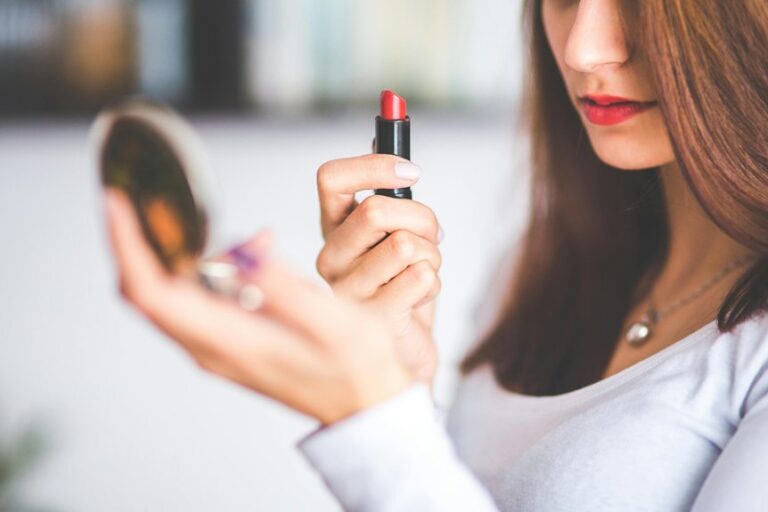


A smooth foundation finish begins with proper prep before any makeup touches the skin. Cleanse, exfoliate, hydrate, and prime in ways that suit skin type to prevent patchiness, cakiness, and premature shine. Small changes in routine lead to foundation that glides on and lasts longer. This guide pinpoints which step needs attention and offers practical tweaks for a flawless base.
How Prep Changes Foundation Wear
When you prep your skin well, your foundation doesn’t have to fight for its life before lunch. You give it a smoother path, and it sticks with you longer. Clean skin helps remove oil and dirt that can decompose coverage, while light exfoliation softens rough spots that catch makeup.
Next, moisturizer adds comfort, so your base blends instead of sitting on top. Then primer steps in and supports skin texture balance, so pores and dry patches don’t steal the spotlight. Together, these steps improve foundation longevity and help your makeup look fresh, even whenever your day runs long. Provided your skin feels cared for, your foundation can settle in with less effort and more grace.
Start With Clean, Dry Skin
Before you reach for foundation, start with clean, dry skin so your base has a fresh surface to grip. You’re giving your skin barrier a calm morning reset, and that helps your makeup sit more evenly. If you rush in while skin is damp, the product can slide and cling in odd spots.
| Step | What you do | Why it helps |
|---|---|---|
| 1 | Wash gently | Lifts oil and buildup |
| 2 | Pat dry | Keeps texture smooth |
| 3 | Wait a moment | Lets skin settle |
| 4 | Check feel | Confirms no damp spots |
| 5 | Apply foundation | Gives a cleaner finish |
When you prep this way, you’re not fixing your face; you’re setting yourself up with the crowd. It’s a small move, but it makes your routine feel easier and more yours.
Exfoliate for a Smoother Base
Choose a gentle exfoliant that matches your skin, since harsh scrubs can leave you red instead of smooth.
Buff away dry flakes with light pressure so your foundation has an even surface to grip.
Time it right too, because exfoliating too close to makeup can make your skin feel tender and a little dramatic.
Choose Gentle Exfoliants
A gentle exfoliant can make your makeup base look smoother right away, because it lifts away dull, dead skin cells that can cause foundation to catch and look patchy. When you choose gentle enzyme exfoliation, you help your skin shed without the scratchy drama. If you prefer milder acid options, keep them low and soothing so your face stays calm and ready.
- Pick a formula that fits your skin, not your friend’s.
- Use it on clean skin, then let it work without rubbing hard.
- Follow with moisturizer so your foundation glides on like it belongs there.
This small step helps you feel more put together, and your makeup fits in with the rest of your day.
Buff Away Flakes
Sometimes, the fastest way to make your foundation look better is to take care of the rough bits initially. If you buff away flakes, you help your skin feel part of the same polished team as everyone else. Use a soft cloth or gentle scrub, then keep pressure light so you don’t stir up more dryness. Consider it like clearing the path before the dance starts.
| Area | What You See | Better Move |
|---|---|---|
| Cheeks | Tiny dry patches | Massage gently |
| Nose | Rough specks | Use short circles |
| Chin | Loose flakes | Buff less often |
| Forehead | Dull texture | Keep it light |
| All over | Uneven feel | Follow with hydration spotlights and soothing skin rituals |
This small step helps foundation glide on instead of catching on flakes.
Time It Right
Once you’ve buffed away the flaky bits, timing your exfoliation becomes the next smart move for a smoother makeup base. You want to exfoliate the night before, not right before you apply makeup, so your skin can calm down and look even. That way, your foundation won’t cling to tender spots.
- Exfoliate 1 or 2 times a week, based on how your skin feels.
- Keep the step gentle so you stay in the glow club, not the irritated one.
- Follow with moisturizer, then watch your setting spray timing so the finish stays fresh.
When you plan ahead, you also spot better foundation touch up windows during the day.
Your base feels friendlier, looks smoother, and gives you that polished, “I’ve got this” vibe.
Moisturize Without Greasing Skin
How do you keep your skin soft and ready without turning it shiny? You want lightweight hydration that sinks in fast and leaves no slick film. Reach for oil free moisturizers, because they calm dry spots while helping your makeup sit better.
Apply a small amount after cleansing, then give it a minute to absorb. Should you feel a drag, add a touch more only where your skin needs it. Focus on cheeks and around the mouth, since those areas often look patchy initially.
Meanwhile, keep the T-zone very light so you don’t invite extra shine. That balance helps you feel comfortable, polished, and part of the glow crowd, without looking overdone. Once your skin feels cushioned, your foundation can glide on more evenly and stay friendly all day.
Choose the Right Primer
If you want your foundation to look smooth instead of heavy, primer can make a big difference right away. You’re not just covering skin; you’re giving your makeup a friendlier start. Try this simple guide:
- Use a silicone grip primer when you want foundation to hold on longer.
- Pick a radiance enhance primer whenever you like a softer, brighter finish.
- Apply a thin layer where makeup fades initially, like the center of your face.
A good primer helps your base glide on evenly and keeps it from grabbing dry spots or slipping too fast. Whenever your initial step feels right, the rest of your routine feels easier too.
That’s the little win that helps you look polished and still feel like you.
Match Prep to Your Skin Type
What does your skin need before foundation ever touches it? Initially, match prep to your skin type so your base feels like it belongs on you.
When your skin runs dry, cleanse gently, exfoliate lightly, and add moisture so cream or liquid skin type foundation formulas glide on without catching on flakes. If your skin’s oily, keep prep light and choose formulas that help control shine, because powder can keep things calm without looking heavy.
For combination skin, balance matters, so hydrate the dry spots and use a little powder where you get shiny. Normal skin gives you room to play, but your finish still shifts through formula.
When you prep this way, you get a foundation finish through skin type that looks smoother, wears better, and feels more like you.
Let Skincare Set Before Foundation
Give your skincare a minute to sink in before you reach for foundation, because wet products can slide around and pill.
Once your moisturizer and primer absorb well, your base grips better and blends more smoothly.
If you time this step right, you’ll avoid that frustrating patchy look and start with a calmer, cleaner canvas.
Allow Products To Absorb
After you cleanse, exfoliate, and moisturize, let each product settle before you reach for foundation. This product absorption timing matters because you want your skincare sink in, not slide around under makeup. Give your skin a few calm minutes so it feels ready, not slick.
- Press gently with your fingers and feel for leftover dampness.
- Wait a little longer whenever your moisturizer feels rich or creamy.
- Then start foundation once your face feels soft, not wet.
Whenever you move too fast, your base can feel rushed, and you deserve better than that. You’re part of the same makeup crowd that loves a smoother finish, so trust the pause. That short wait helps your skin stay comfortable and helps your foundation sit more naturally.
Prevent Pilling And Slipping
When your skincare hasn’t fully set, foundation can pill, slip, and drag across your face instead of gliding on smoothly. Give your moisturizer and primer a quiet minute to settle so they can sink in and stop fighting your makeup.
Then your base texture feels calmer, and your foundation grips instead of sliding around like it has plans elsewhere. Use a light touch, because too much product can bunch up fast.
Pat, don’t rub, when you apply, and keep layers thin so each step has room to hold. This simple habit helps makeup longevity and keeps your finish looking clean and polished.
You’ll feel more confident, and your skin will still look like your skin, just a little more put together.
Time Your Makeup Application
Your skincare needs a little breathing room before foundation, because a rushed base often turns into a slippery mess. When you plan your makeup timing well, you give moisturizer, primer, and skin care time to settle, so your foundation can grip instead of slide. That small pause helps you feel put together, not patchy.
- Wait 5 to 10 minutes after moisturizer.
- Let primer sit for a minute.
- Check that skin feels soft, not wet.
Good application pacing keeps the finish smooth and gives you more control. If you rush, products can mix, pill, or break apart. If you pause, your base looks cleaner and lasts longer.
You’re not being slow, you’re being smart. That little break helps you join the “my makeup looks good today” club with confidence.
Use the Right Amount of Product
Using the right amount of product can make your makeup look smooth instead of heavy, and that small difference matters a lot. You don’t need a thick layer to get coverage that feels like yours. Instead, use product quantity with care and practice precise dosing so your foundation sits nicely and blends fast.
Start with one small pump, then add more only where you need it. This helps you stay in control and keeps your look polished, not crowded. Should you be joining the rest of us who want that fresh, skin-like finish, less often does more.
A light hand gives you room to build, smooth, and adjust without turning your base into a mask. That’s the sweet spot your face will thank you for.
Layer Skincare and Primer Correctly
You want to start with a clean face, so cleanse initially to remove oil, dirt, and anything that can get in the way of smooth makeup.
Then apply moisturizer before primer, because hydrated skin helps your base sit better and look less patchy.
Give each layer a moment to sink in before you move on, since a little patience now helps your makeup stay smoother later.
Cleanser Before Moisturizer
Initially, cleanser has to come before moisturizer provided you want your makeup base to sit smoothly and look fresh. You set the stage with gentle cleansing, which lifts away makeup removal residue, sweat, and daily grime without stripping your skin. Then your moisturizer can sink in evenly and help your face feel calm, not tight.
- Use a mild cleanser morning and night.
- Rinse well so nothing slick stays behind.
- Pat your skin dry, then moisturize right away.
Whenever you skip that initial step, your products might slide around and your base can look patchy. Whenever you cleanse beforehand, you join the crowd of people who give foundation a cleaner, softer place to grip. That little order change makes your whole routine feel easier and kinder.
Moisturizer Before Primer
Moisturizer should almost always come before primer because it gives your skin the soft, hydrated base that primer can then smooth out. You’re setting up a team, not a tug-of-war. As soon as you handle hydration timing well, your foundation looks calmer and more even. Let your moisturizer sink in so the skin can use the moisture initially, then add primer where you want extra blur.
| Step | Why it helps | What you feel |
|---|---|---|
| Clean skin | Removes buildup | Fresh |
| Moisturizer | Supports moisture balance | Comfortable |
| Primer | Softens texture | Smooth |
Watch moisturizer absorption, especially on dry spots, so your base doesn’t pill. Should you know your skin needs more comfort, you’re not being high-maintenance; you’re being smart.
Wait Between Layers
Once your skin care layer and primer have a little breathing room, your base usually behaves much better. You don’t need to rush; you just need smart layer timing. Give each step a short pause so it can settle instead of mixing into a slippery mess. That little wait helps your foundation grip and keeps patchy spots from showing up.
- After moisturizer, let drying gaps form for a minute or two.
- Tap primer on in a thin layer, then wait again.
- Check your skin before foundation; it should feel smooth, not wet.
This rhythm helps you feel more put together, like your routine actually gets you. Whenever you respect each layer, you join the group of people whose makeup stays calm, polished, and ready for the day.
Fix Dry Patches Before Foundation
Dry patches can make foundation cling, crack, and look uneven, but you don’t have to fight that battle every morning.
Start with gentle cleansing, then smooth on a rich moisturizer so your skin gets a real overnight hydration enhancement.
Should flakes still show, add a soft exfoliation a few times a week to lift dead skin before it grabs onto makeup.
For extra skin barrier repair, press in a balm or cream on rough spots and let it settle.
In the morning, tap a thin layer of hydrating primer over those areas, not a heavy coat.
Whenever you use a damp sponge, your foundation glides over the base and helps you look polished, comfortable, and ready to join the day with everyone else.
Control Shine in the Base
A little shine can sneak up on you fast, but you can keep it from taking over your base with the right prep.
Whenever you focus on oil balance, your makeup feels calmer and lasts better through the day. Start with these simple moves:
- Cleanse well so extra oil doesn’t build up.
- Use a light primer on the T-zone for shine control.
- Set the center of your face with a thin dusting of powder.
You don’t need to hide every glow, just keep the areas that tend to get slick in check. That way, your base looks fresh, not greasy, and you still look like you.
With steady prep, you fit in with that smooth, polished crowd, and your foundation stays put without feeling heavy.
Avoid Common Prep Mistakes
Even the best base can slip whenever you rush the prep, so it helps to spot the habits that cause patchy makeup before they start. Skip harsh scrubbing, but keep skin cleansing steady so dirt and oil don’t block a smooth finish. Should you leave dry flakes in place, foundation clings and looks uneven.
Also, don’t pile on too many products at once. Let moisturizer sink in, then move to primer should you use it.
For foundation selection, choose a formula that fits your skin and your coverage goal, not the trend everyone’s raving about. Examine it in natural light, and give it a minute to settle. At the moment you prep with care, your makeup feels like it belongs on you, not like it’s fighting your skin.
Prep for Dewy or Matte Finish
For you want your makeup to look dewy or matte, the prep matters just as much as the foundation itself. Start by matching your skin care to the finish you want, so your base feels like it belongs on your face, not fighting it. A dewy base needs hydration, while a matte base needs oil control.
- Cleanse and moisturize well for glow.
- Use a hydrating primer for radiance or a smoothing primer for shine control.
- Apply foundation in thin layers so the finish stays fresh.
For dry skin, add extra moisture before cream or liquid formulas. For oily skin, focus primer on the T-zone and choose lighter textures. That way, your makeup looks polished, comfortable, and confidently yours all day.