

Most people don’t realize that aligning meal timing, light exposure, and sleep architecture can add measurable years to healthy lifespan. You can design a luxury routine that centers restorative sleep, timed nutrient-dense eating, brief morning movement with bright light, and curated work blocks to sharpen focus. It’s practical and evidence-based, balancing strength, mobility, tech curfews, and pleasure so you actually sustain it-here’s how to build it step by step.
Set Core Principles: Longevity, Focus, Pleasure
When you design a luxury daily routine, start by naming three nonnegotiables-longevity, focus, pleasure-so every choice serves measurable health, cognitive performance, and sustained joy; this triad aligns with consumer trends that value wellness and longevity as status markers, lets you prioritize interventions with evidence (sleep, nutrient density, environmental controls), and keeps the plan practical and pleasurable enough to maintain long term.
You’ll translate those pillars into actionable rules: prioritize restorative sleep windows, time nutrient-dense meals for cognitive uptime, and schedule deliberate pleasure breaks.
Use Personalized biomarkers to track progress and validate interventions, making longevity feel like attainable Biological prestige rather than vanity.
Share metrics within a trusted circle to build community and sustain habit adherence.
Design a Sleep‑First Evening Ritual
Having set longevity, focus, and pleasure as your nonnegotiables, shape an evening ritual that prioritizes restorative sleep to amplify all three: regular sleep timing, environmental controls (humidity, CO2, circadian lighting, temperature), and a winding sequence of behaviors that downregulate arousal and stabilize biomarkers. You’ll align with circadian cues-dim light, cool temperature, reduced blue spectrum-while tending the bedroom microbiome by airing sheets, limiting food, and using breathable materials. Keep the sequence consistent: device curfew, gentle movement or breathwork, low-stim creative reflection, and a predictable bedtime. Use simple monitoring: CO2 and humidity meters, warm-to-cool lights on a schedule. The goal is measurable calm, durable sleep, and belonging to a daily practice that protects cognitive reserve and supports long life.
| Element | Practical action |
|---|---|
| Timing | Fixed bedtime/wake |
| Air | Ventilate nightly |
| Light | Circadian lighting |
| Temp | 16–19°C |
| Routine | 30–60 min wind-down |
Create a Morning Flow for Alert Calm
Wake with a clear intention to align your nervous system and priorities for the day.
Start with slow hydration-room‑temperature water with a pinch of salt or lemon-to restore fluids and support metabolic and cognitive function before caffeine.
Follow with 10–20 minutes of gentle movement (breathwork, mobility, or brisk walking) to boost circulation and mental clarity without spiking stress hormones.
Wake With Purpose
Because your morning sets the physiological and psychological tone for the day, design a short, evidence-based flow that nudges you from sleep inertia into alert calm: start with light exposure and gentle movement within 30 minutes of waking to boost cortisol rhythm and cognitive performance, hydrate and consume a small protein-rich bite to stabilize blood sugar, and spend five minutes on breathwork or a focused intention to lower stress reactivity-these simple, repeatable steps align circadian biology, metabolic needs, and attention systems so you enter the day both clear-headed and resilient.
Practice an intentional awakening: set a consistent rise time, use soft light cues, and pair your first movement with a gratitude cue to foster connectedness.
Keep the sequence brief, measurable, and welcoming so you stay committed.
Slow Hydration Ritual
Ease into your day with a Slow Hydration Ritual that primes your body and mind: within 10–20 minutes of rising, sip 250–400 ml of room-temperature water infused with a pinch of mineral salt or a splash of citrus to start rehydration, support electrolyte balance, and gently nudge cortisol and blood flow toward an alert-but-calm state. You’ll practice ritualized sipping for 5–10 minutes, matching breath to small, steady sips. Mineral boosters-pink salt, magnesium flakes-help replenish trace electrolytes without stimulants. This evidence-informed habit supports focus, digestion, and mood regulation while fostering connection to a morning community of care.
| Volume | Additive | Intention |
|---|---|---|
| 250–400 ml | Pinch salt | Rehydrate gently |
| 250–400 ml | Citrus splash | Cortisol balance |
| 250–400 ml | Magnesium trace | Electrolyte support |
Movement For Clarity
Within 20–30 minutes of rising, move through a short, deliberate morning flow that blends gentle mobility, breath work, and light aerobic activation to sharpen focus and settle the nervous system.
You’ll begin with joint circles and spinal articulations, pairing movement with breath pauses to downregulate stress and improve interoception.
Add two to five minutes of guided diaphragmatic breaths, then a brisk three- to five-minute march or stair climb to increase cerebral blood flow without taxing cortisol.
If possible, take a brief nature ambulation-barefoot grass or shaded walk-to ground sensation and boost mood via natural light exposure.
This routine is evidence-aligned, scalable, and communal: share it with a partner or group to reinforce adherence and the sense of belonging that supports longevity.
Choose Nutrient‑Dense Meals That Delight
A few simple swaps can transform everyday plates into nutrient-dense meals that support longevity and sharpen focus: prioritize whole foods rich in omega-3s, fiber, polyphenols, and micronutrients while minimizing ultra-processed items. You’ll favor fatty fish, walnuts, legumes, colorful vegetables, and fermented foods-choices backed by cognition and aging research.
Shop seasonal produce to maximize nutrients and community connection; plan batches of whole-grain bowls, vibrant salads, and antioxidant-rich sides. Practice sensory plating so meals look and smell as nourishing as they are, which boosts satisfaction and reduces overeating.
Keep portions balanced, hydrate, and time protein with activity for repair and resilience. When food feels intentional and shared, you’ll nourish body and belonging-sustaining focus and a long, well-lived life.
Move Intentionally: Strength, Mobility, Low Cardio
You’ll build resilience and preserve independence by prioritizing strength work, joint-friendly mobility, and modest low-impact cardio.
Focus on compound lifts or resistance bands for muscle mass, daily mobility routines to maintain range, and 20–40 minutes of brisk walking, cycling, or swimming to support cardiovascular health without strain.
This balanced approach is evidence-backed for longevity, cognitive function, and practical for fitting into a luxury, time‑efficient lifestyle.
Strength Training Essentials
Prioritize compound strength work paired with targeted mobility and low-impact cardio to build resilient muscle, preserve bone density, and sharpen cognitive focus-outcomes linked to better long-term health and functional independence.
You’ll center sessions on thoughtful exercise selection: squats, deadlifts, presses, and rows that recruit multiple joints and mirror daily tasks.
Apply progressive overload by modestly increasing load, reps, or time under tension every 1–3 weeks to sustain adaptation without excess fatigue.
Keep volume manageable: 2–4 weekly sessions, 6–12 total working sets per major muscle group.
Warm up dynamically, cool down with soft tissue work, and prioritize movement quality over ego-driven weight.
Track progress, adjust for recovery, and invite training partners or coaches to foster accountability and belonging while you age stronger.
Mobility And Low-Impact Cardio
Regularly moving with intention-through targeted mobility drills and low-impact cardio-keeps joints lubricated, preserves range of motion, and primes your nervous system for heavy lifts and daily tasks.
You’ll pair joint health routines-hip openers, thoracic rotations, ankle mobilizations-with controlled breath and progressive load to maintain fascia resilience.
Low impact cycling sessions and brisk walks protect cartilage while improving aerobic base; schedule them on recovery days to sustain consistency without strain.
Consider aquatic intervals for session variety: buoyancy reduces compressive forces, letting you push tempo safely.
Aim for 20–40 minutes most days, mixing mobility circuits and gentle cardio.
This approach is evidence-based, practical, and communal-invite a friend or coach to reinforce habit and belonging.
Make Your Workspace a Focus Sanctuary
Transform your desk into a focus sanctuary by aligning environment, biology, and behavior so every element supports sustained attention and recovery.
You’ll choose biophilic desks or add living elements to lower stress and boost cognition-plants, natural textures, and daylight mimicry improve mood and memory.
Calibrate lighting for circadian benefit; cool, dimmable light in the afternoon helps prevent overstimulation.
Use scent curation sparingly-a consistent subtle citrus or rosemary cue can enhance alertness without creating adaptation.
Control noise with soft surfaces and personal soundscapes; regulate temperature and humidity for metabolic comfort.
Declutter to reduce decision fatigue and designate ritual cues for shifts and recovery.
These practical, evidence-aligned steps create a welcoming, high-performance workspace that reinforces longevity-focused habits and communal belonging.
Set Tech Boundaries and High‑Value Attention Habits
When you set clear tech boundaries and cultivate high-value attention habits, you protect cognitive bandwidth and support the longevity-focused routines you’ve built elsewhere in your life.
Start with a device curfew-turn off screens an hour before sleep to preserve circadian rhythm and deep rest.
Schedule focused work blocks and use attention audits weekly: record distractions, sources, and recovery time, then eliminate low-value inputs.
Choose shared norms with partners or teammates so you belong to a culture that respects presence.
Replace reactive scrolling with brief rituals-breathwork, brief walks, or nutrient-rich snacks-to stabilize energy.
Use app limits, grayscale, and single-tasking cues to match intention with behavior.
These small, evidence-based shifts compound, enhancing focus, resilience, and long-term wellbeing.
Scale Your Luxury Routine: Travel, Family, and Time Limits
Having set tech boundaries and sharpened attention habits, scale your luxury routine by aligning travel, family rhythms, and strict time limits so your wellbeing practices survive life’s complexity.
When you travel, use concierge scheduling to preserve circadian lighting, meal timing, and exercise windows-evidence shows environmental control boosts cognition and recovery.
Coordinate family routines around core rituals: shared morning movement, nutrient-dense meals, and designated quiet hours.
Protect personal blocks with hard stop rules-timebox deep work, naps, and social time to reduce decision fatigue and sustain habits.
Frame adjustments as legacy gifting: small, repeatable practices you pass to loved ones.
This holistic, practical approach helps you belong to a health-focused community while keeping luxury routines resilient amid real life.
Frequently Asked Questions
How Do I Test for Biological Age and Which Markers Matter Most?
Test biological age with epigenetic clocks and telomere length assays, plus targeted blood tests for inflammation, glycemic control and lipid profiles, along with body composition analysis and fitness testing; integrate these results to guide evidence based personalization.
Can Luxury Skincare Be Integrated With Longevity Protocols Safely?
Yes. To combine high-end skincare with longevity regimens safely, check how each ingredient interacts, apply potentially irritating or active treatments at different times of day, discuss prescription or systemic therapies with your clinician, select topical ingredients supported by clinical studies, and connect with peer groups that focus on individualized, evidence-informed routines.
What Insurance or Legal Issues Relate to Stem-Cell Longevity Treatments?
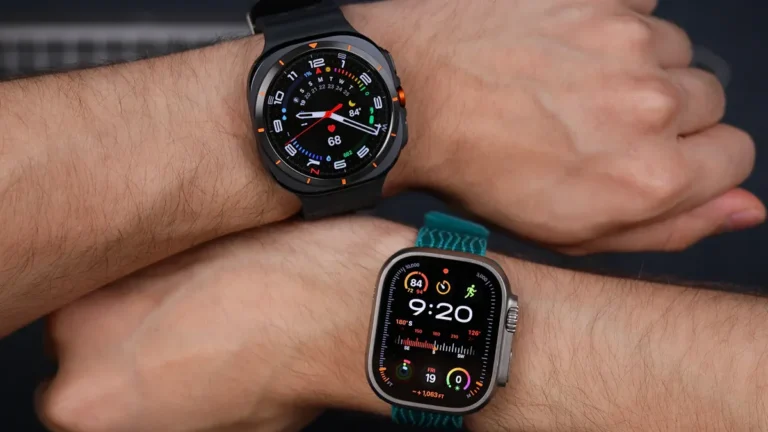
About half of high-end clients use biometric tracking devices, creating exposure to malpractice claims, restrictions on insurance reimbursement, and unclear regulatory oversight. Implement detailed informed consent procedures, maintain rigorous outcome documentation, work only with providers who meet applicable compliance standards, and obtain insurance advice specific to stem-cell longevity services to protect patients and the practice.
How Do I Maintain Focus While Parenting Young Children Full-Time?
You can stay focused by planning clear transitions between activities, keeping a consistent sleep schedule, grouping similar tasks together, working in short concentrated intervals, delegating or accepting help, using brief breathing pauses, and establishing predictable routines that build connection and reliable, research-backed progress.
Which Supplements Interact Negatively With Bio-Tracking Medications?
Avoid specific herbal and supplement interactions with blood thinners and other medications. St John’s wort can reduce levels of many drugs. Ginkgo, garlic, ginseng, and high-dose fish oil can increase bleeding risk when taken with anticoagulants. Always tell your prescriber about any supplements, request appropriate lab monitoring, and coordinate timing and doses with your care team for safety and support.