
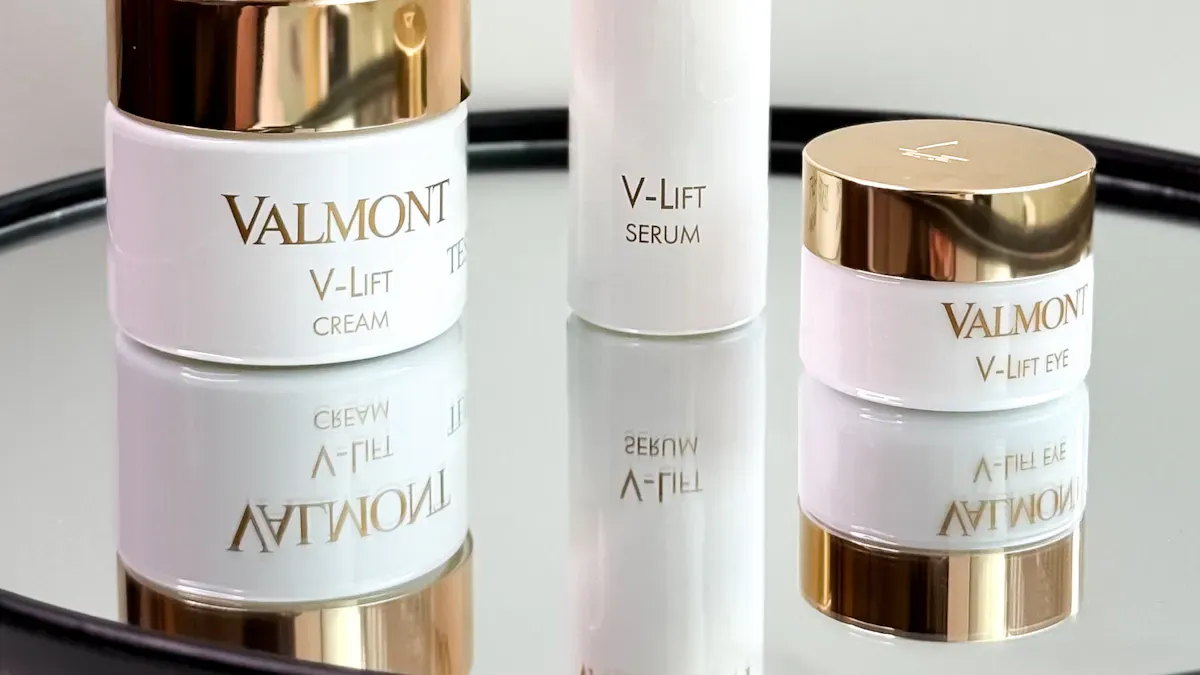
Luxury items attract many people. You may like them because they show success and uniqueness. Studies say that people often buy luxury things to feel connected, recognized, and appreciated. These products can make you feel good about yourself and show your social status. The feelings you have for luxury brands can make you feel special. They often share stories that match your lifestyle.
Here are some key reasons that drive you to buy luxury items:
- Need for Uniqueness: Limited availability makes luxury goods more desirable.
- Emotional Connection: Strong feelings increase loyalty and willingness to spend.
- Social Status: Owning luxury items brings social respect.
Knowing these reasons helps explain the Economics of Luxury. It shows why you might want to buy expensive things.
Key Takeaways
- Luxury items show success and being different. This makes them wanted by many people.
- Feelings tied to luxury brands increase loyalty and spending.
- Social factors, like peer pressure and culture, push luxury buying.
- Rarity and being exclusive make luxury goods more attractive.
- Knowing why people buy luxury can help you choose wisely.
Psychological Drivers
Status and Identity
When you think about buying luxury items, status and identity come to mind. Many people buy these things to show their social rank. You might want to prove that you belong to a certain group or lifestyle. This need for social status is strong. Studies show that people often look for luxury items to express who they are. The brands you pick can show your personality and how you want others to view you.
Here’s a quick look at how status affects luxury buying:
| Evidence | Description |
|---|---|
| Social Status as Identity | People often buy luxury items to show their social status and identity. The brands they choose help shape who they are. |
| Need for Status | The strong desire for luxury comes from wanting respect and admiration from others. This affects what people buy in the luxury market. |
| Millennial Trends | A BCG survey shows that Millennials want to show off their wealth and achievements. Luxury brands can connect with them by recognizing their need for status. |
You might also see that luxury items can improve your self-image. When you wear a fancy watch or drive a luxury car, you may feel more confident. This boost in self-esteem can be big. Many people say they feel happy and satisfied after buying luxury items. These products help you show your personal and social identities, creating a stronger emotional bond with the brand.
Self-Esteem Boost
Buying luxury items can also help raise your self-esteem. When you get something expensive, it feels like a reward for your hard work. This emotional benefit can make you feel accomplished. You might feel proud to own a luxury item, and that pride can improve how you see yourself.
Here are some emotional benefits you might get from luxury purchases:
- Feelings of happiness and satisfaction from luxury brands.
- Better self-expression through the items you choose.
- A sense of belonging to a group of luxury buyers.
The emotional value from luxury items helps shape your identity. As you connect with these brands, they help define who you are. This connection is especially strong in different cultures, where buying luxury items is important for forming personal identity.
Social Influences
Peer Pressure
You might not know it, but peer pressure is important in why people buy luxury items. When you see friends or influencers showing off their new luxury buys on social media, it can make you want those things too. This isn’t just about wanting what others have; it’s about fitting in and feeling part of a group. Social networks and group dynamics greatly affect how you see luxury.
| Evidence | Description |
|---|---|
| Social Influence | Social media shapes how people buy things, leading to more luxury purchases. |
| Social Comparison | People compare themselves to others, especially influencers, which can increase their wish for luxury items. |
| Psychological Mechanisms | Comparing yourself to others and feeling unequal affects how you feel about luxury products. |
When you see others enjoying luxury goods, it can make you feel left out. This feeling can push you to buy luxury items to keep up with your friends. It’s a cycle where comparing yourself to others and wanting to belong drives luxury buying.
Cultural Expectations
Cultural norms also greatly affect luxury buying. In some cultures, having luxury items shows success and earns respect. For example, in East Asia, “face saving” means people buy luxury goods to keep their social image. This cultural pressure can lead you to buy luxury items even if you don’t really need them.
| Cultural Value | Influence on Luxury Consumption | Region |
|---|---|---|
| Face Saving | Strong influence on showing off and enjoying luxury | East Asia |
| Group Orientation | Predicts quality, extended self, and exclusivity | East Asia |
| Social Norms | Encourages seeking prestige in luxury buying | China |
In China, social norms and wanting to be unique also matter a lot. You might notice that being in a group that values luxury makes you more likely to buy these items. Luxury buyers often see these goods as signs of status and identity, which are deeply connected to cultural expectations.
By understanding these social influences, you can see why luxury items are so appealing. They aren’t just products; they are symbols of status, identity, and belonging.
Economics of Luxury Goods
Scarcity and Exclusivity
Scarcity is very important for luxury goods. When something is hard to find, it becomes more wanted. Take the Hermès Birkin bag, for example. You can’t just go into a store and buy one. You usually need to buy other items first to qualify. This limited supply makes the bag even more desired. The same is true for Ferrari. They limit who can buy their expensive cars. Only loyal customers can purchase them. This method makes their products feel more special and valuable to buyers.
Here’s how scarcity adds to the value of luxury products:
| Evidence | Explanation |
|---|---|
| Scarcity enhances exclusivity | Fewer luxury items make them more attractive and justify higher prices. |
Luxury brands use different methods to keep this exclusivity. They sell their products in only a few stores and pick fancy locations for their shops. You often see luxury goods in flagship stores or high-end department stores. This helps avoid too much exposure. This way, the brand stays special and gives a sense of privilege to those who can buy these items.
Income Elasticity
Now, let’s discuss income elasticity. This idea explains how the demand for luxury goods changes when your income goes up. Luxury goods have an income elasticity of demand that is greater than one. This means that when your income increases, the demand for luxury items goes up even more. For instance, if your income rises by 5%, you might spend more than 5% on luxury goods. This is different from necessity goods, which have an income elasticity of less than one.
Here’s a quick comparison:
| Type of Good | Income Elasticity of Demand | Description |
|---|---|---|
| Luxury Goods | Greater than one | Demand increases more than proportionately as income rises. |
| Necessity Goods | Less than one | Demand increases less than proportionately with income changes, as they are essential for survival. |
Engel’s law is also related to this topic. It says that as your income goes up, the part of your income spent on luxury goods increases. You might start spending more on luxury items like fancy foods or high-end fashion as your financial situation gets better. This trend shows that luxury goods are not just about being rich; they also show your lifestyle choices and social status.
Case Studies in Luxury
Iconic Brands
Luxury brands are really good at staying on top. They use smart plans to keep their spot. Here are some ways they do it:
- Exclusivity: They have few stores to keep things rare.
- Customer Experience: Great service makes people come back.
- Heritage and Craftsmanship: Talking about their history and quality makes items special.
Look at Burberry. In the late 1990s, they made their stuff easy to get. This was bad and sales dropped. They went back to having fewer stores. This helped them become fancy again. It shows how being rare is key in luxury.
Consumer Trends
How people buy luxury has changed a lot lately. Here are some new trends:
- People like simple style more than big logos now.
- Young folks want experiences, eco-friendly stuff, and realness.
- Prices are going up, so over 60% buy less.
Young buyers care about quality and how things are made. They want items that match their values, like being green and fair. This change makes brands think differently. They now focus on being eco-friendly and using the internet to connect with buyers.
As you see, famous brands and new buying habits shape luxury. Knowing this helps you make better choices when buying fancy things.
To understand why you buy luxury items, you need to think about different reasons. Your feelings about yourself and your identity are important. Social factors, like what friends think and cultural norms, also influence your choices. On the economic side, how rare something is and how your income changes affect how you see luxury.
Here’s a quick summary of key findings:
| Key Findings | Description |
|---|---|
| Brand Association | People feel a stronger connection to luxury brands than to regular brands. |
| Self-Esteem Influence | Differences in self-esteem can change how much you want luxury items. |
| Positive Perception | 78% of people still view luxury brands positively, even during tough times. |
By knowing these reasons, you can better understand your own habits when buying luxury items.