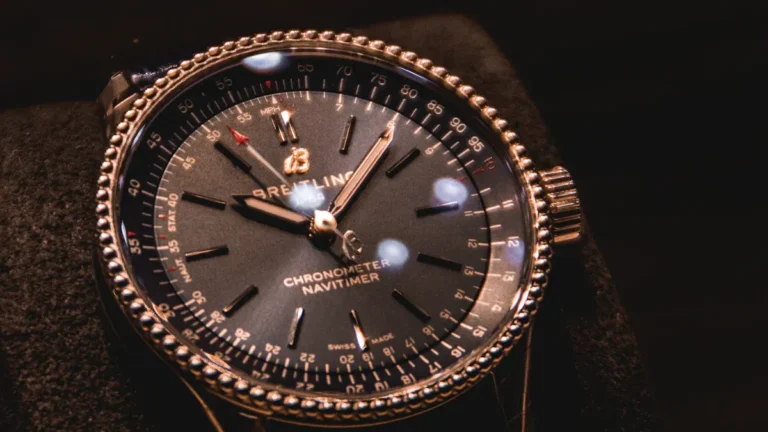


Luxury brands create exclusivity by restricting access through invite-only events, waitlists, and members-only drops. Limited production runs, regional releases, and premium pricing signal rarity and elevate perceived value. Masterful craftsmanship, immersive boutiques, and curated storytelling forge strong emotional connections with customers. Selective collaborations, tight distribution controls, and anti-counterfeit measures protect brand prestige and social cachet.
Quick Framework: How Luxury Brands Engineer Exclusivity
Because exclusivity feels like a promise, luxury brands design systems that keep desire higher than supply so you’ll want what few others can have. You step into a world shaped through invitation only moments, where access feels earned and warm.
Brands use boutique exclusivity to make spaces feel personal, so you connect with staff, objects, and stories. They’ll limit releases and seats at events, and they’ll tailor messages through loyalty personalization that recalls your tastes and rewards your return.
That mix of scarcity and care makes you feel seen and part of a small circle. As you engage, systems nudge you toward deeper ties with special previews, curated services, and discreet purchase paths that protect the brand’s mystique.
What ‘Exclusivity’ and ‘Prestige’ Mean for Luxury Brands
At the moment you step into the world of luxury, exclusivity means more than limited supply; it means feeling chosen and understood, and prestige is the social signal that follows.
You sense emotional resonance whenever a brand recalls your tastes, offers invitations, and shapes experiences that match your aspirational identity. That feeling makes you part of a discreet circle.
Brands earn prestige through aligning craft, story, and selective access so you feel safe belonging. You notice authenticity in heritage cues, curated events, and personal service. Those elements link private access with public recognition.
As you engage, exclusivity becomes a promise kept and prestige becomes a language others read about you. You want connection, and luxury answers with meaning.
Why Scarcity Often Beats Superior Quality for Status
You notice that once something is rare it feels more precious, even in case it isn’t technically better than other options. Social signaling matters more than pure quality because owning scarce items sends a clear message about status and taste.
Whenever brands control availability through limited runs, invite-only buys, or store-only releases, they create desire that quality alone often can’t match.
Perceived Rarity Drives Value
During rarity is obvious and tightly controlled, people often value an item more than a technically better alternative, and you can see why: scarcity signals status, tells a story about who gets access, and makes ownership feel like a personal achievement.
You notice brands use artificial scarcity and limited visibility to shape desire. They make few pieces, hide availability, and invite only a select circle. That approach protects your sense of belonging once you gain entry. You feel chosen, proud, and seen.
The tactic blends with curated experiences and quiet storytelling. As you encounter controlled drops, private previews, and regional exclusives, your social world shifts. You bond with others who also earned access and share subtle signals of taste.
Social Signaling Over Quality
At that moment rarity makes you feel chosen, the next step is how that choice speaks to other people. You notice that owning something scarce signals your place in social hierarchies more than its technical quality. You want items that show others you belong to a select circle.
That pursuit makes status symbols more about visibility than function. Brands design cues that others recognize quickly, like logos, limited tags, or unique colors. You feel reassurance whenever someone nods, because that nod confirms your belonging.
You also trade detailed quality talk for simple recognition. Through small shared codes you and your group reward each other. That social feedback loop keeps desirability high, and it explains why scarcity often outshines superior craftsmanship.
Controlled Availability Creates Desire
Because rarity feels like a choice you made, controlled availability turns desire into something personal and social. You notice how limited production and invitation only events make ownership feel earned.
Brands use geographic exclusivity to make items rare in your city, so once you get one it signals membership in a small circle. You want that quiet proof that you belong.
Limiting purchases, releasing small runs, and hosting previews create urgency without shouting. You get a call, a card, an invite, and suddenly the object links you to stories, artisans, and other people who value the same things.
That gentle exclusion comforts you and connects you. Scarcity here isn’t harsh; it’s a crafted path that leads you into a close community.
Controlled Distribution: Creating Perceived Rarity
During the period that brands limit where and how you can buy their pieces, they shape desire and make rarity feel real, so you notice value before you even touch the product. You feel seen once a brand curates boutique scarcity, so visits become special and social.
Through selling via selective retailers and brand-owned stores, they control situation, story, and who joins the circle. That control links to invitation events, region-only drops, and strict purchase limits that make ownership feel earned.
You get personal attention, quiet previews, and spaces that reward loyalty. This approach builds trust and belonging, because access signals shared values. Whenever distribution is thoughtful, rarity becomes part of your identity, not just a label on a bag.
Pricing Strategies That Signal Luxury Exclusivity
You’ve just felt how selective shops and invite-only events make ownership feel earned, and pricing plays a quiet but powerful part in that same performance.
You notice deliberate high entry prices that signal rarity and ward off mass buyers. Brands use variable pricing to nudge desire, adjusting offers for markets and moments while keeping core items anchored at premium levels.
They bundle thoughtfully, offering premium bundles that pair sought pieces with exclusive services or access, so you feel accepted into a circle whenever you buy. Transparent tiers reward loyalty without diluting prestige. Small, predictable price moves preserve trust.
Every price point, bundle, and controlled offer tells you that belonging here is earned, personal, and worth the cost.
Craftsmanship, Limited Production, and Signal Value
Should you pause to look closely, craftsmanship and limited production work together to make a luxury piece feel like something rare you earned, not just something you bought.
You notice artisan techniques in every stitch and joint, and that close attention signals care. Limited runs and slow cycles mean pieces stay scarce, so your ownership links you to a select circle.
Thoughtful material sourcing reinforces that signal value, so you trust what you wear or display.
- Hands on making shows skill and gives you satisfaction in belonging to a craft community.
- Controlled numbers protect value and keep demand higher than supply.
- Transparent material sourcing builds trust and deepens your emotional bond with the brand.
You feel seen whenever quality matches the story.
Heritage Stories and Brand Mythmaking That Drive Desire
Because stories link a product to a person and a place, heritage tales let you feel part of a longer tradition rather than just buying an object. You step into brands that use mythical narratives to explain origins, craft, and ritual. Those tales make you feel seen and included, as though you share a secret with other owners.
Legacy symbolism appears in logos, workshops, and rituals, and it signals belonging without saying it. You sense respect for time, artisans, and real materials.
Brands weave history and present day so you can claim a role in the story. That emotional thread keeps you returning, because belonging matters more than possession, and the story gives your purchase meaning beyond price.
Celebrity Endorsements, Influencers, and Curated Social Proof
You’ll want to pick celebrity partnerships that feel genuine to your brand, since famous faces can quickly signal prestige or cheapen it in case the fit is off.
Next, curate influencers who match your audience and craft social proof through selective appearances, exclusive events, and controlled content that keeps demand high.
Through linking both strategies, you’ll create a layered halo effect that amplifies heritage, scarcity, and desirability without overexposing your brand.
Celebrity Endorsement Strategies
At the moment a famous face or a trusted influencer stands behind a luxury brand, they do more than advertise a product; they help shape the brand’s story and signal who belongs to its world.
You feel invited whenever endorsement authenticity is obvious and whenever celebrity exclusivity is guarded. That mix makes you trust the brand and want to belong.
- Choose partners whose values match yours, so their presence feels sincere and not staged.
- Use rare appearances and curated events that let you see a select inner circle, strengthening desire to join.
- Share patient, behind the scenes moments that show craft and connection, so you feel included without breaking the mystique.
These steps link trust to rarity and build lasting emotional ties.
Influencer Curation Tactics
Start through choosing influencers and celebrities who feel like natural fits for your brand, not like paid posters. You want people who invite others into your world. Use influencer vetting to check values, audience makeup, and past collaborations.
Look for authenticity and craft stories that align with your heritage. Then build niche partnerships to reach small, engaged communities that crave belonging. Combine celebrity signals with micro creators so social proof feels curated not loud.
Offer invitation-only events, previews, or product drops that your partners share selectively. Track engagement quality over raw numbers and adjust partnerships with gentle care.
At the point you do this, followers feel seen and welcomed, and your brand keeps its rare, intimate charm without losing warmth.
Store Design, Service Rituals, and the Purchase as an Event
At the moment you walk into a luxury store that feels more like a quiet theater, the design and ritual around the sale tell you this is a special moment, not just a transaction. You notice immersive environments and sensory branding guiding you.
Lighting, scent, and texture set a calm tone so you feel seen and welcomed.
- Staff greet you using name, offer a private view, and explain craftsmanship so you connect to the piece.
- The purchase becomes an event with careful wrapping, a tasting or refreshment, and time to savor the choice.
- Postpurchase follow up, care instructions, and invitations to future previews make you part of an inner circle.
These rituals build belonging while keeping the experience intimate and respectful.
Drops, Waitlists, Memberships, and Release Mechanics That Fuel Hype
During the period you crave something rare, drops, waitlists, and memberships shape the way you chase it and feel rewarded, so brands design release mechanics to turn buying into an emotional quest you’ll recall. You join waitlists that make anticipation sweet. You watch drop scheduling so you can plan the moment you try to win access.
Brands use membership tiers to signal belonging and to gate perks like previews, private sales, and limited allocation. You feel seen whenever invitations arrive, and that feeling makes ownership mean more. Release mechanics mix surprise with predictability, so you stay engaged without feeling cheated.
This careful choreography builds community, rewards loyalty, and keeps demand higher than supply while honoring the brand story.
Capsule Collaborations: Boosting Cachet Without Diluting Brand
Originally executed well, capsule collaborations give you a quick shot of excitement without changing what made a luxury brand special initially. You feel welcomed whenever brands invite you into limited partnerships that respect heritage and spark fresh energy.
These exclusive capsules create shared moments that bond you with others who value craft and rare access.
- Partner with makers who mirror your story so the release feels authentic.
- Limit runs and invite-only previews so community members feel seen.
- Use storytelling and events to deepen belonging and keep prestige intact.
This approach balances novelty with care. You join a select circle where rarity matters, familiarity comforts, and the brand stays true while you enjoy something new and rare.
Stopping Counterfeits and Gray‑Market Leaks to Protect Prestige
Protecting your brand starts with stopping fake goods and unauthorized resales that chip away at prestige. You want customers who belong to something real.
Start with anti counterfeiting measures that are visible and reassuring. Use authentication technology like NFC tags, tamper proof labels, and secure serial codes so buyers feel confident.
Pair tech with selective distribution to limit gray market leaks and keep products in trusted channels. Back actions with legal enforcement that shows you care about members and deters resellers. Train staff to spot fakes and guide customers through verification steps.
Communicate these steps warmly so buyers know they share values with the brand. This combination protects rarity, maintains community trust, and keeps your prestige intact for loyal customers.
Consumer Psychology, Risks of Exclusivity, and Recovery Strategies
Because exclusivity can feel like a promise you made to someone special, you need to handle it with care so customers keep trusting your brand. You tap into psychological exclusivity when you make people feel chosen, not excluded. That belonging breeds loyalty, but it can also create envy, frustration, or alienation should you slip.
- Spot risks promptly through listening to feedback and monitoring community sentiment so small issues don’t become big ones.
- Use recovery communication that’s honest, warm, and prompt to rebuild trust and restore belonging quickly.
- Reinforce belonging with exclusive experiences, customized apologies, and invitations back into the circle.
Once you combine empathy, clear fixes, and follow through, you protect prestige and keep your community feeling valued.
Frequently Asked Questions
How Do Sustainability Demands Conflict With Exclusivity Strategies?
Hermès’ slow leather sourcing can clash with sustainability: you’ll face higher costs and limited material sourcing while you balance ethical marketing and exclusivity, so you’ll need transparent storytelling to keep community belonging without greenwashing or diluting rarity.
Can Small Independent Brands Adopt Prestige Tactics Affordably?
Yes — you can. Use limited editions, boutique collaborations, intimate events, and storytelling to craft belonging; focus on authentic craftsmanship, invite loyal customers into communities, and scale scarcity affordably through smart production and targeted partnerships.
What Legal Tools Protect Invitation-Only Purchasing Models?
80% of luxury purchases are digitally influenced, so you can protect invitation-only buying using NDAs and non disclosure terms, trademark enforcement to stop misuse, plus membership contracts and access-control policies that encourage belonging.
How Do Brands Measure Long-Term Brand Equity From Exclusivity?
You measure long-term brand equity through exclusivity by tracking brand valuation growth, monitoring consumer loyalty metrics, surveying perceived prestige, and linking exclusive experiences to repeat purchase behavior so you feel belonging and confident in sustained value.
Can Personalization at Scale Undermine Perceived Rarity?
Recall at the time Hermès declined a mass customization line? You’ll avoid diluting prestige: mass customization can spark a consumer paradox—you’re craving belonging, yet risking rarity loss—so you’ll personalize selectively to protect exclusivity.