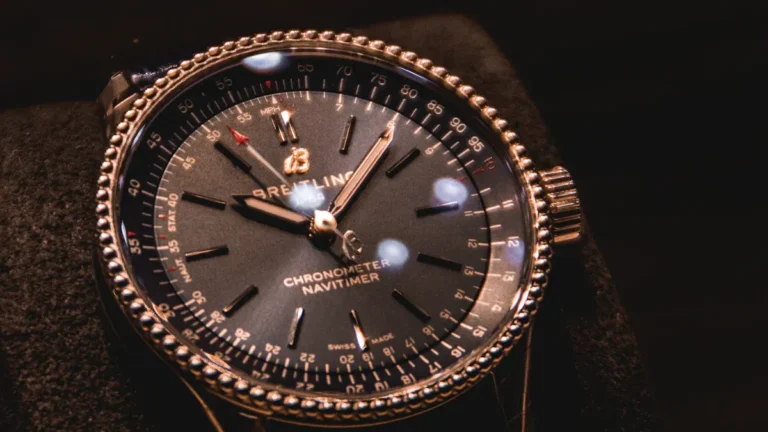


You want shine without scratches, sparkle without damage, and clean jewellery without risky shortcuts. The safest place to start is with mild soap, lukewarm water, and a soft touch, but not every metal or stone can handle the same method. In case you treat pearls, costume pieces, and stone settings alike, you could do more harm than good-so it helps to know what to avoid before you begin.
Start With the Safest Cleaning Method
Before you try any stronger solution, start with the safest method: a few drops of mild dish soap mixed into lukewarm water. It’s the reliable initial step you can feel good about, especially whenever you want to care for your jewellery without taking unnecessary risks.
Place your pieces in a bowl and keep the soaking duration short, about 5 to 10 minutes, so loosened oils and everyday grime can lift away gently.
Then use a soft-bristle toothbrush or jewelry brush to clean small crevices with a light touch. Rinse thoroughly under lukewarm water, making sure no soap remains, and dry with a microfiber or other lint-free cloth.
Skip abrasive cleaners, steamers, and ultrasonic machines here; this simple routine helps you protect the pieces that keep you feeling polished and connected.
Identify Your Metal and Stones First
Why does identification matter so much? Because every piece in your collection deserves care that fits, and you deserve confidence understanding you’re treating it right.
Before you clean anything, check whether you’re handling sterling silver, solid gold, plated metal, or costume jewellery. Different metals react differently, so a little metal testing can help you avoid damage, fading, or lifting finishes.
The same goes for stones. Gemstone identification helps you tell durable diamonds from softer pearls, opals, or porous gems that need gentler handling.
Look for stamps, purchase records, brand details, or signs of plating and glued settings. In case you’re unsure, don’t guess. Taking a moment to identify what you have helps you care for your jewellery like someone who truly belongs in the know and feels confident every time.
Gather Safe Jewellery Cleaning Supplies
Before you start cleaning, gather a few safe basics: a soft-bristle brush, mild dish soap, lukewarm water, and a microfiber cloth.
You’ll also want gentle solutions that won’t scratch metal or loosen stones, so skip anything abrasive or harsh. To protect both your jewellery and your workspace, set everything on a soft towel or other cushioned surface initially.
Essential Cleaning Tools
A small set of gentle supplies is all you need to clean jewellery safely at home: a soft-bristle toothbrush or jewellery brush for delicate scrubbing, mild dish soap mixed with warm water for a basic cleaning solution, a bowl of lukewarm water for soaking and rinsing, and a microfiber or other soft, lint-free cloth for drying and polishing.
With these basics, you’re part of the group that cares for treasured pieces thoughtfully. Choose brushes with soft bristles, not stiff ones, and keep a dedicated bowl just for jewellery.
A lint-free cloth supports microfiber polishing without leaving fibres behind, while careful drying helps preserve shine. Skip abrasive cleaners, steamers, and ultrasonic machines, since they can harm settings or stones. Once pieces are clean and dry, keeping them in anti tarnish storage helps your collection stay ready to wear.
Gentle Cleaning Solutions
Although many pieces look sturdy, the safest cleaning solutions are the gentlest ones: lukewarm water, a few drops of mild dish soap, and a soft cloth or brush. With these basics, you’re caring for your jewellery the way many collectors and everyday wearers do, keeping sparkle without risking unnecessary damage.
You’ll also want a small bowl for mixing and rinsing, plus a microfiber cloth for drying. Skip harsh sprays, strong chemicals, and abrasive powders, since they can dull metal and weaken settings over time.
Should you prefer natural cleansers or homemade solutions, choose simple, proven options carefully and use them only whenever they suit the metal or stone you’re cleaning. In case of doubt, stick with mild soap and water-you’ll be part of the safe, smart crowd that protects treasured pieces well.
Protective Work Surface
Just as the right soap and brush protect your jewellery, the surface you clean on matters too. A thoughtful workspace setup helps you feel confident, organized, and part of a care routine that truly protects what you love.
Choose a stable, well-lit area, then add surface protection like a folded towel, silicone mat, or soft cloth to cushion pieces and stop rolling.
- Use a padded layer to prevent scratches, chips, and noisy drops.
- Work near a shallow bowl so small earrings, chains, or backs stay contained.
- Keep drains covered and clutter away to avoid losses and reduce stress.
When your cleaning area feels safe and intentional, you’re more likely to clean gently, stay focused, and give each piece the careful attention it deserves every time.
Avoid Common Jewellery Cleaning Mistakes
Should you be cleaning jewellery at home, the biggest mistakes usually come from using methods that are too harsh. It’s easy to assume stronger products work better, but harsh chemicals can dull metals, weaken finishes, and damage delicate stones.
You’ll also want to avoid excessive soaking, since leaving pieces in water or solutions too long can loosen glue, affect plating, and stress vulnerable settings.
To keep your jewellery looking beautiful, stick with gentle habits that people who care for their pieces trust. Use mild soap, lukewarm water, and a soft cloth or brush instead of abrasive cleaners or rough scrubbing.
Don’t reach for steamers or ultrasonic machines unless a jeweller says they’re safe for your piece. In case of doubt, choose the gentler option, dry everything fully, and let professional care help you stay confident.
Remove Build-Up From Chains and Settings
You’ll want to start through loosening stuck residue with a short soak in lukewarm water and mild soap.
Then, use a soft-bristle brush to clean tight settings and work carefully around chain links without scrubbing too hard.
Once you’re finished, rinse concealed crevices thoroughly so no soap or debris gets left behind.
Loosen Stuck Residue
Once residue is packed into chain links or around settings, start through soaking the piece in lukewarm water mixed with a few drops of mild dish soap for 5 to 10 minutes to loosen oils, soap film, and dirt.
After that warm soak, use gentle agitation through swishing the jewellery in the bowl. In case needed, guide away softened debris with a soft-bristle brush, using light strokes along chain links and around decorative details. You’re not forcing anything loose; you’re helping buildup release safely, like the rest of us who want treasured pieces to last.
- Let the soap do most of the work initially.
- Keep movements light, slow, and controlled.
- Rinse with lukewarm water, then pat dry with a microfiber cloth.
This simple routine helps your favourite pieces feel wearable again.
Clean Tight Settings
Because grime tends to hide where jewellery is most detailed, cleaning tight settings and chain links works best with a soft-bristle brush following a short soak in lukewarm water and mild dish soap. Use small, gentle strokes to lift debris from around prongs, clasps, and tiny links without forcing anything loose.
If you’re working on intricate pieces, turn to precision tools like a soft baby toothbrush or a clean interdental brush made for delicate spaces. You’ll get better results supporting the piece in your hand and brushing with patience, not pressure.
That careful approach helps you care for jewellery the way experienced collectors do, so your favourite pieces stay beautiful and wearable. Skip shortcuts that seem high-tech; ultrasonic risks include loosened stones and stressed settings, especially in older, sentimental, or heavily detailed jewellery pieces.
Rinse Hidden Crevices
After you’ve loosened debris with gentle brushing, rinse jewellery under a light stream of lukewarm water to flush residue from chain links, prongs, and other tight crevices. Keep the flow gentle so you don’t stress delicate settings, and angle each piece to release concealed residue safely.
This small step helps your jewellery feel truly cared for.
- Rinse chains while moving each link so trapped soap and grime can escape.
- Tilt rings and pendants to let water reach beneath stones and inside settings.
- Skip ultrasonic rinsing at home for fragile pieces, since vibration can loosen stones.
When you rinse thoroughly, you’re not just cleaning surfaces-you’re protecting the details that make your favourite pieces part of your everyday style, ready to wear with confidence and connection.
How to Clean Gold Jewellery
While gold jewellery is generally durable, it still needs gentle care to keep its shine. To clean pieces safely, mix a few drops of mild dish soap with lukewarm water and let your jewellery soak for five to ten minutes.
Then use a soft-bristle brush to gently lift away buildup from small details and settings.
Rinse each piece well and dry it with a microfiber cloth so it feels fresh and ready to wear again. For light gold polishing, buff softly rather than scrubbing.
In case your piece has gold plating, use extra care and avoid anything abrasive, since the surface can wear down over time. Skip harsh cleaners, steamers, and ultrasonic machines.
With this simple routine, your gold jewellery stays beautiful, and you can wear it confidently every day, with honor.
How to Clean Silver Jewellery
How do you bring silver jewellery back to life once tarnish starts to dull its shine? You don’t need anything fancy-just a few trusted basics and a little care.
For light dullness, wash your silver in lukewarm water with mild dish soap, then gently buff it dry with a microfiber cloth.
- Line a bowl with aluminum foil, shiny side up.
- Place your silver on the foil, sprinkle with baking soda, and carefully add boiling water.
- Wait 30 seconds to 3 minutes, then remove, rinse, and dry thoroughly.
This simple method helps you keep your favourite pieces looking polished and ready to wear with confidence.
In case tarnish lingers, repeat once gently rather than scrubbing hard, so your silver stays beautiful and part of your everyday style.
How to Clean Diamond Jewellery
At the time you clean diamond jewellery, you’ll want to use safe methods that lift dirt without harming the stone or its setting. You’ll also need a few simple care tips to keep your diamonds bright between wears and reduce buildup over time.
Equally crucial, you should avoid common mistakes like harsh cleaners and rough tools that can loosen settings or dull the finish.
Safe Cleaning Methods
To clean diamond jewellery safely, start with a gentle soak in lukewarm water mixed with a few drops of mild dish soap or a diluted ammonia solution, then let it sit for 20–30 minutes to loosen oils and dirt.
After soaking, use a soft-bristle brush to clean around the stone and setting, then rinse well and dry with a microfiber cloth. Should you prefer natural alternatives, try a mild vinegar-free soap solution instead.
Skip abrasive cleaners, steamers, and ultrasonic devices, since they can damage delicate settings. Keep these essentials in mind:
- Use only lukewarm water, never hot.
- Brush gently, especially around prongs and pavé details.
- Dry fully before jewelry storage to help preserve brilliance.
With these simple methods, you’ll keep your diamonds shining and feeling worthy of your collection every day.
Diamond Care Tips
Keeping diamonds bright doesn’t stop at occasional cleaning-you’ll also want a few care habits that protect the stone and its setting between washes. Take your ring off before gardening, gym sessions, or hands-on chores, so daily impact doesn’t stress prongs. Even with impressive diamond durability, settings still need thoughtful handling from you.
When you’re not wearing your diamond jewellery, give it sparkly storage in a soft pouch or lined box, away from other pieces that could scratch metal. After wearing it, wipe away oils and lotion with a microfiber cloth to help maintain shine.
In case your diamond is pavé or prong-set, use a soft baby toothbrush instead of a polishing cloth around the setting. You’ll keep your favourite pieces looking beautiful and ready for every shared moment together.
Mistakes To Avoid
Although diamonds are tough, a few common cleaning mistakes can dull their sparkle or weaken the setting over time. To keep your jewellery looking as brilliant as the pieces everyone admires, avoid shortcuts that seem helpful but quietly cause damage.
- Don’t use harsh chemicals like bleach, chlorine, or strong household cleaners; they can damage metal settings and reduce shine.
- Don’t scrub aggressively or use abrasive brushes. A soft-bristle brush and gentle motions protect prongs, pavé details, and the stone’s surface.
- Don’t overlook improper storage. Tossing diamond pieces together invites scratches, bent prongs, and preventable wear.
You also shouldn’t rely on ultrasonic machines unless a jeweller says it’s safe.
At the point that you treat your diamonds with consistent, gentle care, they’ll keep fitting beautifully into your everyday style and shared special moments.
How to Clean Gemstone Jewellery Safely
Whenever you’re cleaning gemstone jewellery, the safest approach is mild dish soap mixed with lukewarm water, since harsh cleaners, steamers, and ultrasonic machines can damage stones or loosen their settings. Let your piece soak for five to ten minutes, then use a soft-bristle brush to gently clean around crevices and under settings where grime collects.
Because gemstone sensitivity varies, it’s worth treating every piece with extra care, especially should you be part of a collection-loving community that treasures lasting sparkle. Rinse thoroughly with lukewarm water, pat dry with a microfiber cloth, and let it air dry fully before wearing or storing it.
Keep your cleaning frequency moderate; too much handling can create unnecessary wear. In case you’re unsure about a stone, ask a trusted jeweller so your favourite pieces stay beautiful and secure for years.
How to Clean Pearl Jewellery
Because pearls are especially delicate, it’s best to clean them with the gentlest method possible. You’ll want to wipe them with a soft, damp cloth after wearing them, since body oils, perfume, and makeup can dull their glow.
Should it be necessary, use lukewarm water with a drop of mild soap, then wipe carefully and dry flat.
- Never soak pearls; too much moisture can weaken the silk strand.
- Let them air dry fully before pearl storage in a soft pouch or lined box.
- In case the necklace feels loose or dirty between pearls, ask a jeweller about pearl restringing.
Treat your pearls with steady, gentle care, and they’ll stay beautiful for the moments that matter most. With a simple routine, your favourite strand will always feel ready to belong with you.
How to Clean Costume Jewellery
Since costume jewellery often uses plated metals, glue-set stones, and delicate finishes, it needs a lighter touch than fine jewellery. To keep your favourite pieces looking lovely, mix a few drops of mild dish soap with lukewarm water and dampen, not soak, a soft cloth.
Gently wipe each piece, paying attention to crevices where makeup, oils, and dust collect. Should it be needed, use a soft-bristle toothbrush very lightly around detailed areas, but don’t scrub hard.
Avoid abrasive cleaners, hot water, and long soaking, which can damage costume material, loosen stones, or dull decorative coatings. After cleaning, wipe away residue with a clean damp cloth, then dry thoroughly with microfiber.
Let every piece air dry completely before you wear it again, so your collection stays bright, comfortable, and ready for every gathering.
When to Get Jewellery Cleaned Professionally
Although regular at-home care keeps most pieces looking their best, some jewellery should still be cleaned professionally at least once a year.
In case you wear favourite pieces daily, your cleaning frequency might need to be higher, especially for rings, bracelets, and heirlooms you never want to risk damaging.
- You notice dullness, trapped grime, or buildup around settings that gentle washing can’t lift.
- Your jewellery includes delicate stones, intricate metalwork, or sentimental pieces that deserve expert attention.
- You want reassurance that clasps, prongs, and settings are checked while it’s cleaned.
A jeweller uses professional tools to reach areas you can’t safely clean at home. That expert care helps your collection stay beautiful, secure, and ready for every occasion, so you could keep wearing the pieces that feel most like you.
How to Keep Jewellery Clean Longer
To keep jewellery clean longer, make a few simple habits part of your routine: put pieces on after lotions, perfumes, and hairspray have dried, and take them off prior to swimming, showering, exercising, or cleaning. These small choices help your favourite pieces stay bright and ready whenever you desire to feel polished and put together.
Once you’re not wearing them, store each item in a soft pouch or lined box so pieces don’t scratch each other. Keep an eye on storage humidity, because damp spaces can speed up tarnish, especially on silver.
You’ll also get better results through wiping jewellery with a microfiber cloth after wearing it to remove oils and residue. In case your collection includes anti tarnish coatings, handle pieces gently so that protective finish lasts and keeps everything looking beautifully cared for longer.
Frequently Asked Questions
How Often Should I Clean Jewellery I Wear Every Day?
Clean daily-wear jewelry once a week, with a gentle wipe after each use. Add a deeper cleaning session once a month to keep pieces bright and looking their best.
Can I Clean Jewellery While Wearing Gloves?
Yes, you can clean jewelry while wearing gloves; use thin, non-powdered gloves because thick gloves make handling and cleaning difficult. Wearing gloves helps protect your pieces and makes your cleaning routine more effective.
What Should I Do if Jewellery Smells Musty?
If your jewellery smells musty, remove surface grime by washing it with mild soap and lukewarm water, rinse thoroughly, and dry completely with a soft cloth. Store pieces with silica gel packets or another moisture-absorbing product in a sealed container to prevent recurrence. If the odor persists after cleaning, take the item to a professional jeweler for inspection and specialized cleaning.
Is Tap Water Safe for Rinsing All Jewellery?
No. Tap water can contain minerals and chemicals that leave residue, and it can cause reactions with soft metals and porous stones. Rinse most jewellery with lukewarm distilled water instead.
Should Jewellery Be Cleaned Before Long-Term Storage?
Yes. Cleaning jewellery before long-term storage prevents tarnish, removes residue, and reduces the risk of damage. Use cleaning methods suited to each material’s sensitivity, and make sure every piece is completely dry so it stays beautiful and ready to wear.