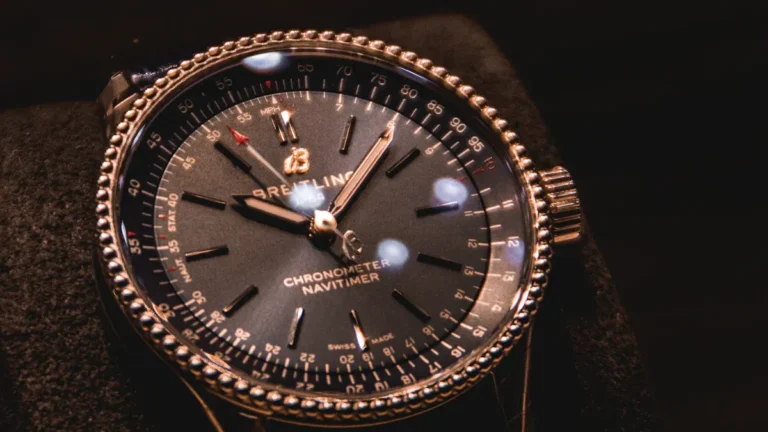


Tissot is often seen as an entry-level luxury watch brand rather than true high luxury. It offers Swiss heritage, reliable movements, and polished designs. The brand provides quality without the exclusivity of names like Omega or Rolex. So, calling Tissot a luxury brand depends on how you define luxury beyond just the price tag.
Is Tissot a Luxury Watch Brand?
Yes—Tissot is generally considered a luxury watch brand, but more specifically it sits in the entry-level luxury tier. In case you want a watch that signals taste without feeling out of reach, Tissot fits that space well.
Its Swiss heritage, long history, and reliable craftsmanship help shape strong brand perception among buyers who want recognized quality.
You’ll usually find Tissot priced around the accessible end of luxury, often between $500 and $1,500, which defines its market positioning. That makes it easier for you to join the world of Swiss watches without stretching beyond your comfort zone.
Within the watch community, Tissot is respected as a smart, welcome entry point—more refined than consumer brands, yet still approachable enough to feel like you belong there and among fellow enthusiasts.
What Makes a Watch Luxury?
Although price plays a role, what really makes a watch luxury is the combination of heritage, craftsmanship, materials, movement quality, and brand prestige. Whenever you wear one, you’re not just telling time; you’re signaling taste, standards, and connection to a respected tradition. That’s where the luxury definition begins for most buyers.
You notice it in the finishing, the weight, the smoothness of the movement, and the care behind every detail. Luxury also depends on exclusivity, consistency, and the story a brand carries over time.
Strong brand perception matters because people often value how a watch is recognized within the wider community. In that sense, a luxury watch helps you feel part of something refined, established, and admired, while still providing quality you can see, feel, and trust daily.
Where Does Tissot Fit in Swiss Watchmaking?
Once you place Tissot within Swiss watchmaking, you’ll find a brand with deep roots in Le Locle and a long history dating back to 1853.
You can see its Swiss heritage in the reliable craftsmanship, proven movements, and strong reputation for precision.
At the same time, it sits in the entry-level luxury segment, giving you authentic Swiss quality without the premium pricing of higher-tier brands.
Swiss Heritage Position
As far as Swiss watchmaking goes, Tissot sits in a respected middle ground: not haute horlogerie, but clearly above fashion and basic consumer brands. For you, that means joining a tradition with real Swiss credibility, rooted in brand inception in 1853 and a manufacturing location in Le Locle, Switzerland. You’re not buying hype—you’re wearing heritage recognized worldwide today.
| Heritage Marker | What it Means for You |
|---|---|
| 1853 founding | You join a long-standing Swiss story |
| Le Locle production | You get authentic Swiss-made legitimacy |
Within Swiss watch culture, Tissot feels inclusive. It gives you a respected name, proven precision, and Swatch Group backing without feeling exclusive or distant. That balance is why many enthusiasts see Tissot as a genuine part of the Swiss watch community.
Entry-Level Luxury Segment
Because price and prestige don’t always move together, Tissot fits best in the entry-level luxury segment of Swiss watchmaking. Should you want a respected Swiss name without stepping into unreachable territory, this is where you belong. Tissot sits near the base of the luxury pyramid, yet it still gives you authentic heritage, dependable quality, and that satisfying sense of joining the watch community.
You’ll usually find its price positioning between about $500 and $1,500, making luxury feel accessible rather than exclusive. That affordability comes partly from mass production, quartz models, and Swatch Group scale, but it doesn’t erase the Swiss craftsmanship.
Instead, you get sturdy materials, proven ETA movements, and versatile designs that signal taste without pretense. Tissot lets you enter Swiss luxury confidently, comfortably, and credibly.
What Makes Tissot Feel Premium?
You also notice it in the solid materials, clean finishing, and polished designs that give each watch a more refined presence.
Then there’s the movement technology, where reliable Swiss quartz and ETA-based automatics help you get precision without paying top-tier luxury prices.
Swiss Heritage Craftsmanship
While Tissot sits in the entry-level luxury tier, it feels premium largely through its Swiss heritage and long-standing manufacturing roots. Whenever you wear one, you’re connecting with a watchmaker founded in Le Locle in 1853, a place deeply tied to Swiss horology. That history gives Tissot heritage symbolism that many buyers crave.
You can also feel the brand’s craftsmanship evolution in how it balances tradition with modern precision. Backed by decades of watchmaking expertise and Swiss production standards, Tissot offers the reassurance of a name that’s earned global trust.
It doesn’t just sell you a watch; it invites you into a wider culture of respected Swiss timekeeping. For many people, that’s what creates the premium impression: understanding your watch belongs to a lineage recognized around the world.
Quality Materials And Finishing
Even though Tissot is priced beneath many prestige watchmakers, it still feels premium thanks to the quality of its materials and the care put into its finishing.
When you wear one, you’re stepping into a community that values refined details without unnecessary excess. Tissot balances mass production with touches that feel considered:
- Solid materials such as stainless steel, sapphire crystal, and well-made bracelets.
- Clean finishing with polished and brushed surfaces that catch light beautifully.
- Comfortable construction that gives you confidence for daily wear.
- Modern character shaped through features like touchscreen innovation.
These choices make Tissot feel uplifted, not disposable. You get a Swiss-made watch that looks sharp, feels substantial, and signals that you appreciate quality in a way that’s accessible, tasteful, and quietly respected by fellow enthusiasts worldwide.
Precision Movement Technology
Why does Tissot feel more premium than its price suggests? You notice it in the movement. Tissot gives you Swiss-made accuracy backed via ETA calibers, so you’re wearing the same precision culture trusted across the watch community. Its quartz innovation keeps time reliably, while automatic options add mechanical charm without excluding you on price. That balance helps you feel like you belong in entry luxury.
| Feature | Why it feels premium |
|---|---|
| ETA movements | Proven Swiss precision |
| Quartz models | Reliable daily accuracy |
| Automatics | Mechanical enthusiast appeal |
| T-Touch | Advanced touchscreen technology |
You also get a brand with real timing credibility, including competition-level accuracy achievements. Whenever a watch performs confidently every day, it doesn’t just look refined—it makes you feel part of a knowledgeable, discerning crowd too.
Why Tissot Isn’t Top-Tier Luxury
Although Tissot is unquestionably Swiss-made and well respected, it isn’t considered top-tier luxury because it sits in the entry-level luxury segment rather than the upper end of the watch market. That means you’re joining a respected circle, but not the most exclusive one.
- Tissot relies on mass production, so you get consistency and affordability instead of rarity.
- Many models use quartz movements, which are practical and precise, but less prestigious to enthusiasts.
- Its approachable pricing fuels an accessibility debate: more people can wear one, yet exclusivity feels lower.
- While Tissot offers decent value retention, it usually doesn’t command the long-term collectability associated with higher luxury tiers.
How Tissot Compares to Luxury Watch Brands
To see where Tissot stands, it helps to compare it with other luxury watch brands on price, prestige, craftsmanship, and exclusivity. You’ll find Tissot welcomes you into Swiss watch culture without the distance of higher tiers.
| Factor | Tissot | Higher Luxury |
|---|---|---|
| Price positioning | $500–$1,500 | Usually far higher |
| Craftsmanship | Swiss-made, sturdy, refined | More hand-finishing, complications |
| Reputation classification | Entry-level luxury | Established upper luxury |
Compared with brands above it, Tissot gives you heritage, dependable ETA or quartz movements, and strong everyday quality. What you won’t get is rarefied exclusivity or the same status signaling. Still, in case you want a respected Swiss name that feels aspirational yet attainable, Tissot fits comfortably within the luxury conversation and helps you feel part of that world.
Is Tissot a Good First Luxury Watch?
For many buyers, Tissot is an excellent initial luxury watch because it gives you genuine Swiss heritage, solid build quality, and dependable movements without pushing into intimidating price territory.
As you’re entering the watch world, that balance matters because you want credibility, not pretense.
- You get respected Swiss craftsmanship with a long history behind it.
- You can join the luxury conversation without overspending or feeling out of place.
- You’ll find versatile designs that work with daily wear and developing fashion trends.
- You benefit from a brand strengthened through global recognition and celebrity endorsements.
Tissot helps you feel like you belong in the luxury space while staying practical.
It’s a confident initial step: refined enough to impress, approachable enough to wear often, and reliable enough to enjoy for years ahead.
Which Tissot Watches Feel Most Premium?
Which Tissot watches feel the most premium? You’ll usually notice it in the PRX Powermatic 80, Gentleman, and Le Locle. These models give you the strongest sense that you’re wearing a respected Swiss piece, with sharper finishing, better bracelets, and more presence on your wrist.
| Model | Premium feel |
|---|---|
| PRX Powermatic 80 | Integrated bracelet, polished surfaces |
| Gentleman | Refined dial, versatile luxury look |
You also feel that premium step in automatic versions over quartz, even with Tissot’s quartz dominance. The brand’s limited complications keep the focus on clean execution, not flashy excess. Should you want the warmest sense of joining the Swiss watch community, these references feel the most enhanced, confident, and socially recognizable without leaving Tissot’s accessible lane.
Who Should Buy a Tissot Watch?
- You’re buying your initial Swiss watch and want legitimacy, history, and dependable quality.
- You want everyday versatility: something sporty, polished, and comfortable in professional or casual circles.
- You care about smart spending, solid resale value, and more substance than fashion watches usually offer.
- You like recognizable brands with global reach, plus an uplift from celebrity endorsements.
If you want belonging without pretense, Tissot makes sense. It’s entry luxury done well: credible, durable, and easy to wear with confidence for years ahead.
Frequently Asked Questions
How Often Should a Tissot Watch Be Serviced?
You should have your Tissot quartz watch serviced every three to five years and your automatic model every four to six years as suggested by the manufacturer. This approach helps maintain accurate timekeeping, prevents costly repairs, and ensures your watch remains a valued piece in your collection.
Is Tissot Better in Quartz or Automatic?
Tissot quartz watches offer precise timekeeping, long-lasting battery life, and dependable performance for daily wear. Tissot automatic models provide the intricate mechanics and craftsmanship that attract watch enthusiasts. Whichever you select, you become part of a well-regarded Swiss watch tradition known for quality and value.
Are Tissot Watches Water-Resistant for Swimming?
Many Tissot watches are suitable for swimming, but it is important to verify the water resistance rating of each specific model. For swimming activities, select watches rated at 100 meters or higher to ensure reliable performance and durability.
Do Tissot Watches Come With an International Warranty?
Yes, Tissot watches generally include an international warranty. If you purchase a watch in a different country, you can access warranty services and repairs at authorized service centers globally, ensuring support wherever you are as a member of Tissot’s international customer network.
Where Is the Serial Number on a Tissot Watch?
The Tissot serial number is typically engraved on the back of the watch case, occasionally located between the lugs or printed on the warranty documents. This number allows you to verify the watch’s authenticity and access information about its production, giving you assurance as a Tissot owner.