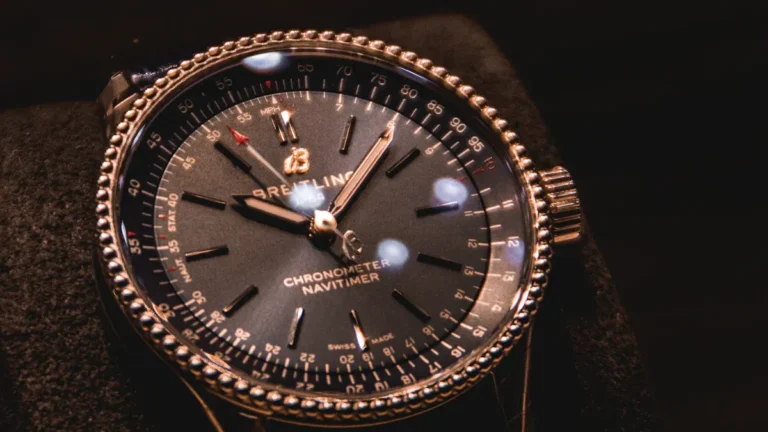


You’ll notice each of these eight houses built from a clear, repeatable playbook: start with craft or a mythic founder, codify signature motifs, control distribution, then layer bold creativity to stay culturally relevant. I’ll trace that chronology—how Hermès’ ateliers and Rolex’s precision set trust, how Chanel and Cartier turned founder legend into eternal codes, and how Gucci, Prada and Saint Laurent reinvented desirability—while pointing out practical tactics you can adapt next.
Hermmès : Craft-First Luxury and Scarcity
Start with craftsmanship: Hermès built its reputation by insisting that skilled artisans handcraft each product, a practice that shaped its identity and market strategy over decades.
You trace beginnings in family workshops where techniques passed from master to apprentice, creating artisan scarcity that elevated demand.
In the 20th century, you watch ateliers expand cautiously, preserving handwork while documenting provenance.
By the 2000s, limited production and controlled distribution reinforced exclusivity; you feel included when you access a rare piece.
Recently, Hermès introduced measured atelier transparency—selectively sharing craft stories, not volumes—to deepen trust without diluting mystique.
Chronologically, each move balanced growth and guardianship of skill, and you recognize how belonging to this circle depends on patience, respect for craft, and shared stewardship of heritage.
Chanel : Founder Legend and Timeless Codes
Where Hermès anchored its identity in the artisan’s workshop, Chanel built hers around a singular personality and a set of visual and sartorial codes that unfolded over decades.
You follow Gabrielle “Coco” into early 20th-century Paris, where Coco mythmaking recasts a seamstress into a symbol of modern freedom: jersey dresses, the little black dress, and liberated silhouettes.
In the 1920s–50s she layers pearls, tweed suits, and the 2.55 quilted bag; each step adds Signature motifs that friends and clients recognize as membership.
Posthumously, designers preserved those codes, translating archives into seasonal statements so you still feel connected.
Chronologically clear and detail-oriented, Chanel’s path shows how personality, ritual, and motifs forge enduring belonging.
Louis Vuitton : Travel Heritage and Retail Discipline
You start by tracing Louis Vuitton’s roots as a trunk maker, noting how travel-inspired design — from coated canvas to clever packing solutions — evolved into signature motifs that still reference journeys.
Then you examine how the brand translated that heritage into strict retail standards, mapping store layouts, clienteling rituals, and inventory control to protect exclusivity.
Finally you connect those practices to measurable outcomes, like sustained brand value and premium sales in top markets.
Travel-Inspired Design
Because Louis Vuitton began as a trunk maker in 1854, its travel heritage still shapes every store and product you encounter: trunks and suitcases inspired the brand’s signature monogram and hardware, which evolved into structured handbags and ready-to-wear that echo luggage craftsmanship.
You follow that evolution chronologically: early trunks introduced practical joins and reinforced corners, then voyage motifs and luggage aesthetics moved into leather goods, and later into clothing and collaborations.
You see details—rivets, canvas, brass locks—reinterpreted season after season to connect new customers with a shared history.
You feel part of a community that values journey and craft, welcomed by consistent design language and thoughtful storytelling.
- Early trunk construction principles
- Monogram migration to accessories
- Hardware as identity
- Seasonal reinterpretations
- Community through shared heritage
Strict Retail Standards
Although rooted in its 1854 trunk-making origins, Louis Vuitton’s retail discipline has evolved through tightly controlled standards that translate travel heritage into every customer interaction.
You first encounter meticulous flagship curation—store layouts echo ateliers, trunks and travel motifs placed to tell a lineage.
Then trained staff extend that narrative, offering personalized fittings and provenance stories that make you part of a continuum.
Pricing follows: strict price integrity protects brand value and customer trust across markets.
Operationally, inventory cadence, visual merchandising guides, and appointment systems were layered over decades to preserve exclusivity.
As you move from window to private salon, each step reinforces belonging to a curated world where heritage, service, and disciplined retail practice converge.
Gucci : Bold Creative Reinvention (Tactics to Copy)
Start by mapping Gucci’s recent pivot from heritage house to cultural provocateur: under leadership shifts it moved from classic logo-driven luxury to bold runway statements, streetwear collaborations, and high-visibility placements in wealthy tourist hubs like Las Vegas and California, where its 22 stores anchor both prestige and foot traffic.
You follow a chronological path: early revitalization embraced bold reinvention, then creative directors layered daring collaborations with streetwear icons, and retail placement amplified visibility among affluent travelers.
You’ll copy tactics that build community and status without diluting craft.
- Stage creative leadership changes with clear storytelling
- Launch limited drops with cultural partners
- Integrate runway drama into retail environments
- Prioritize flagship locations in high-tourist luxury corridors
- Cultivate close ties to top-tier client segments
Rolex : Precision, Provenance, and Status Positioning
When you trace Rolex’s rise from a specialist watchmaker to a global emblem of status, the story moves through precise technical milestones and careful custodianship of heritage: in the early 20th century Rolex focused on movement accuracy and waterproofing innovations, mid-century it cemented prestige by timing major sporting and exploration feats, and in recent decades the brand has reinforced provenance through limited production, controlled distribution, and selective marketing that emphasizes craftsmanship and long-term value. You’ll follow a clear chronology: early precision testing protocols, mid-century public validations, and modern provenance narratives that bind owners to a lineage. You belong to a community valuing authenticity and measured rarity.
| Era | Key focus |
|---|---|
| Early 1900s | Movement accuracy |
| Mid 1900s | Public validation |
Prada : Conceptual Design and Provocative Storytelling
Roleex’s century-long emphasis on precision and provenance sets a useful contrast for examining Prada, where conceptual rigor and narrative provocation shape value in a different register. You follow Prada from 1970s utilitarian roots to Miuccia’s reframing, watching the label become a conceptual provocateur that stages narrative disruption through runway politics and fabric experiments. You feel included as the brand invites you into its intellectual club.
- 1970s: functional beginnings, leather goods and restraint.
- 1980s–90s: Miuccia’s interventions, subverting glamour with irony.
- 2000s: collaborations and museum dialogues broaden context.
- 2010s: gender play and archival revival strengthen identity.
- Today: multimedia storytelling keeps community engaged and loyal.
Cartier : Storytelling Through Jewelry and Patronage
Elegance has long been Cartier’s language, and you can trace how the house translated that language into storytelling through a steady chronology of jewels, patrons, and display. You follow founders who crafted pieces for monarchs, then watch royal patronage formalize prestige and invite public admiration. You see signatures—panther motifs, Tutti Frutti gems—move from court cabinets to collective desire, each piece framed as heirloom storytelling that binds owners across generations.
| Era | Milestone |
|---|---|
| Late 19th c. | Royal commissions establish credibility |
| Early 20th c. | Iconic designs circulate among elite |
| Mid 20th c.–present | Museums, exhibitions, curated provenance |
You feel included in a lineage when Cartier presents provenance, inviting you to claim continuity.
Saint Laurent : Democratizing Haute Attitude via Ready-to-Wear
Just as Cartier used royal commissions and curated provenance to invite owners into a lineage, Saint Laurent rewrote haute codes by putting runway attitude into everyday wardrobes. You trace the arc: Yves introduced tuxedos for women in the 1960s, then expanded into accessible ready-to-wear, promoting haute accessibility without losing elite cachet. You see the house refine silhouettes, street sophistication, and youth-facing campaigns across decades. You feel invited—part of a stylish community that values rebellion and refinement.
Key moments and practices that shaped this path:
- 1966: Le Smoking tuxedo blurs gender codes and signals modern belonging.
- 1970s: Ready-to-wear lines scale the brand’s reach.
- 1990s–2000s: Reinvention under new designers.
- 2010s: Street sophistication meets luxury marketing.
- Today: Democratic attitude with curated exclusivity.
Frequently Asked Questions
How Do Luxury Brands Measure Customer Lifetime Value?
Calculate customer lifetime value by tracking purchase frequency, retention rates, average order value, gross margins, and referral contribution over time. Project the net present value of future profit streams for each customer segment, then design personalized engagement and service strategies to increase loyalty and lifetime profitability.
What Sustainability Targets Do These Houses Publicly Commit To?
They set specific carbon targets and disclose supplier information: phased plans to reach net zero, measurable short term emission reductions, regular supplier audits, product traceability programs, and published timelines for progress so stakeholders can track an accountable sustainability journey.
How Do Family Ownership Structures Affect Brand Decisions?
Family ownership tends to preserve founder influence in the early stages and later moves toward formal succession planning. The description follows chronological changes in governance, specifies roles, highlights relevant cultural values, and invites readers into the process of continuity and evolving decision making.
What Role Do Small-Batch Artisans Play in Pricing Strategies?
You leverage small-batch artisans to justify premium pricing. First, artisan exclusivity creates scarcity. Next, craft provenance documents skills and origin. Then you communicate lineage, foster belonging, and sustain higher margins through curated authenticity.
How Do Luxury Brands Prevent Counterfeit Markets?
Luxury brands combat counterfeiting through a layered approach. First they take legal action including targeted lawsuits and coordinated raids. Then they implement technical authentication such as NFC chips and blockchain-based provenance records. They engage and inform brand communities to spot fakes and reinforce why authenticity matters. Finally they monitor marketplaces and enforce intellectual property rights to protect brand value and customer trust.