

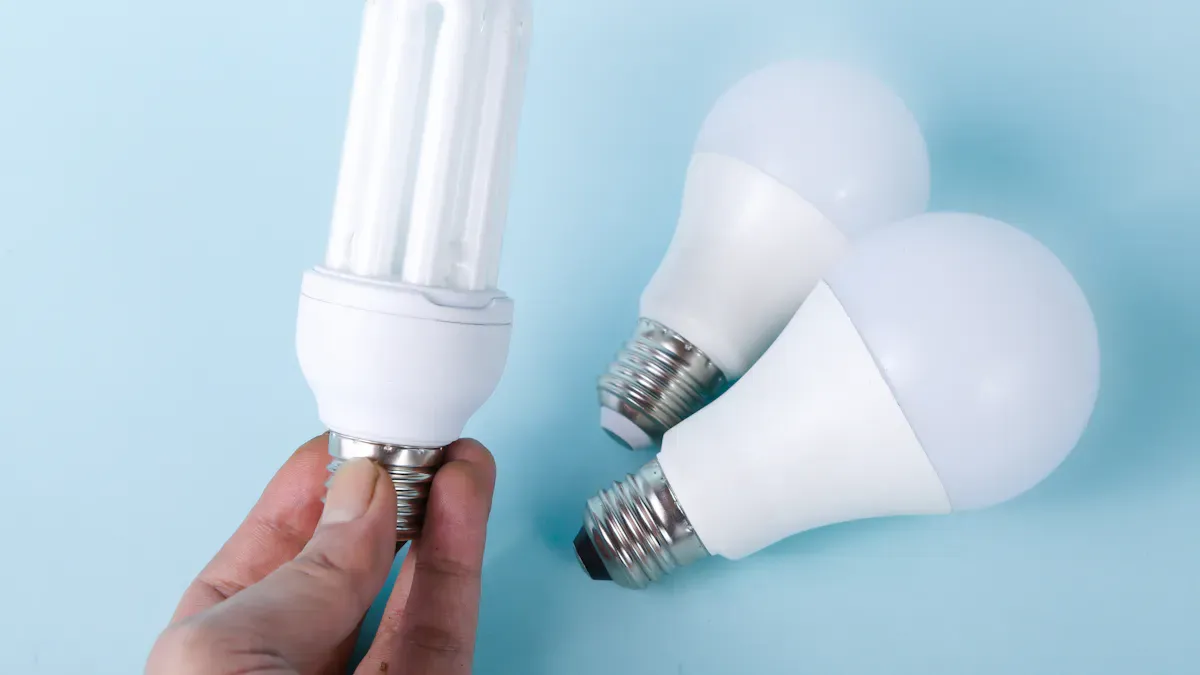
Understanding light bulb size is important for picking the right lighting in your home or business. The size affects how well it fits with fixtures and how well it works. Choosing the right size gives you the best light output. It also makes things safer by lowering fire risks. Bulbs that are the right size save energy and help get rid of heat. This helps them last longer. These things are very important for how light spreads in different areas. Making the right choice is crucial for homes and businesses.
Light Bulb Types
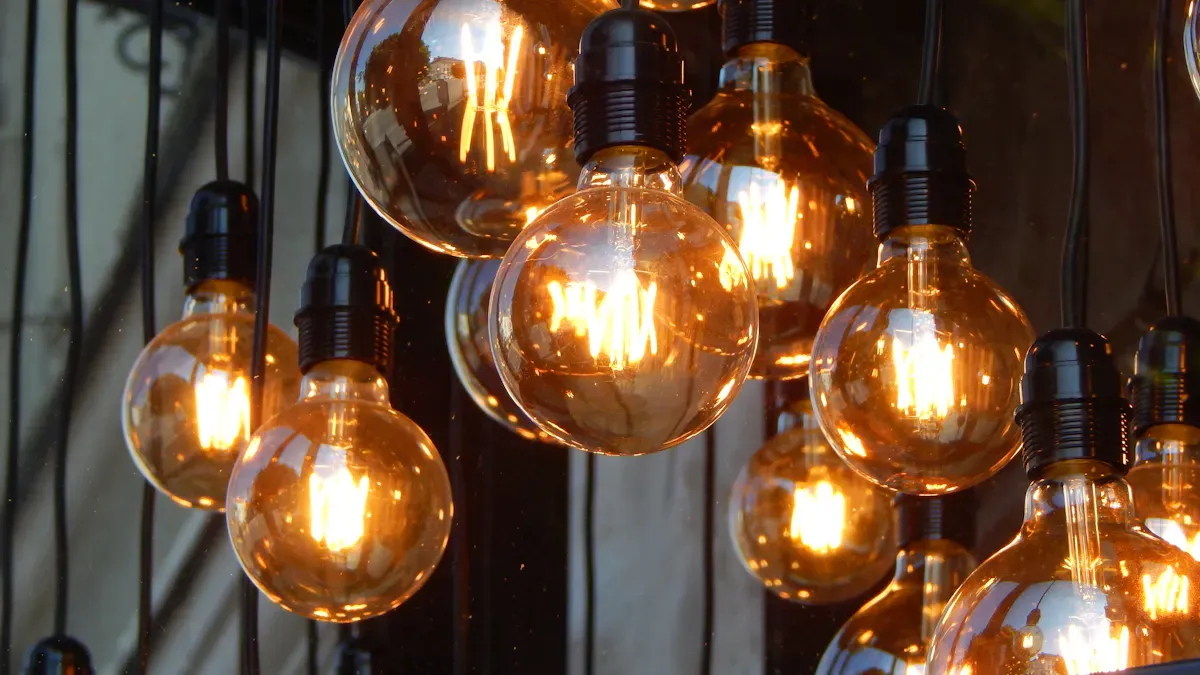
When you choose lighting, knowing the different light bulb types is very important. Each type has its own purpose and fits certain fixtures. Here are some common light bulb types you should learn about:
A-Series Bulbs
A-Series bulbs are the most well-known type. They have a classic shape and can be used in many ways. You will see them in homes and businesses. Here are some usual uses for A-Series bulbs:
Residential Lighting: You can use them in table lamps, floor lamps, ceiling lights, and wall lights. They give warm light that makes living spaces better.
Commercial Use: These bulbs are often found in offices, stores, and restaurants. They help create a friendly atmosphere that makes customers happy and boosts work.
Industrial Applications: A-Series bulbs also work great in warehouses and factories. Their dependable performance makes them a popular choice.
B-Series Bulbs
B-Series bulbs have a unique pear shape, which makes them different from A-Series bulbs. Their wider size makes them good for decorative fixtures. Here’s a quick look at their features:
Characteristic | Description |
|---|---|
Shape | Pear-shaped with a wider size than A-Series bulbs |
Usage | Good for decorative fixtures like chandeliers and sconces |
Light Quality | Gives soft, diffused light for a welcoming feel |
You will often see B-Series bulbs in places where mood matters, like dining rooms or entryways. They create a warm environment that improves the overall look.
MR16 and PAR Bulbs
MR16 and PAR bulbs are special types made for specific lighting needs. They have different beam angles and uses. Here’s a comparison:
Bulb Type | Beam Angle | Intended Use |
|---|---|---|
PAR | Up to 45° | Focused, narrow beam for security lighting, theater, and spotlighting |
MR | Narrowest | Mainly used as a spotlight |
MR16 bulbs are great for highlighting artwork or building features. PAR bulbs are best for focused lighting in places like security or theater settings. Knowing these differences helps you pick the right bulb for your needs.
By learning about the different light bulb types, you can make smart choices that improve your lighting experience.
Measuring Light Bulb Size
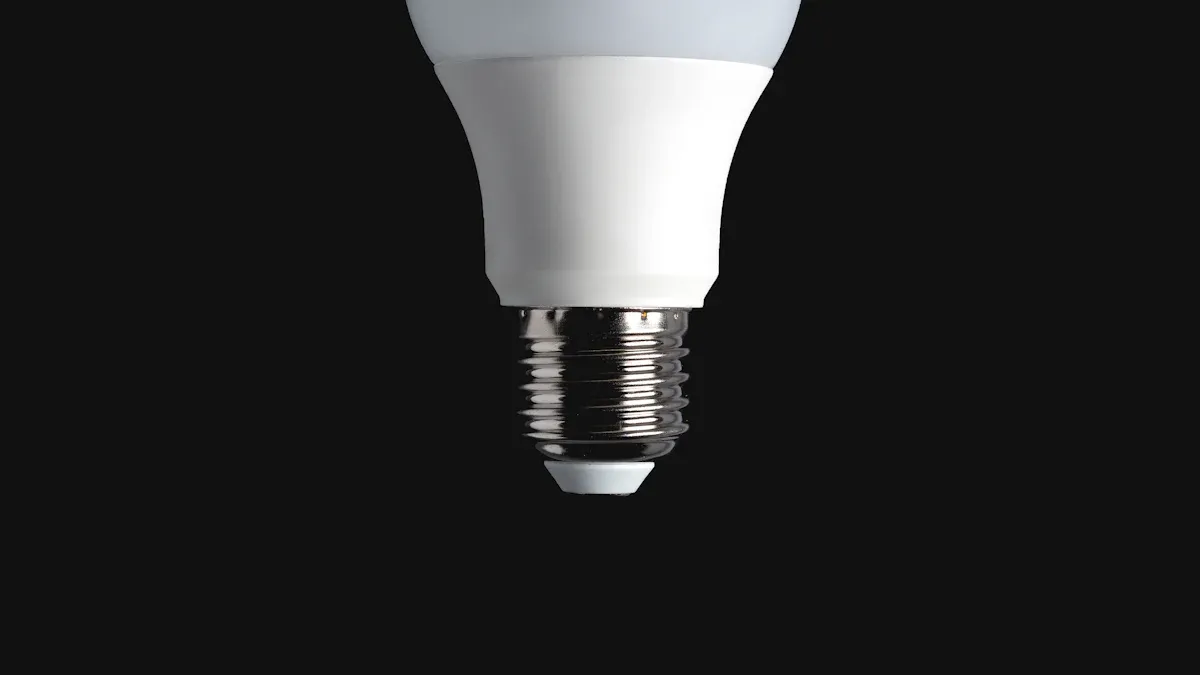
Knowing how to measure light bulb size is important. It helps make sure the bulb fits in the fixture. You want to avoid problems from using the wrong bulb. Here’s how to measure light bulb sizes correctly.
Key Dimensions
When measuring light bulbs, focus on two main sizes: diameter and height. These sizes help you see if a bulb will fit in your fixture. Here’s a quick look at standard sizes for common bulb types:
Bulb Type | Diameter (inches) | Height (inches) |
|---|---|---|
A19 | 2.375 | N/A |
CFL | ~2.0 | 4 to 6 |
E26 | 1.024 | N/A |
E12 | 0.472 | N/A |
Knowing these sizes helps you pick the right bulb. The diameter and height of a light bulb are key for making sure it fits well in fixtures. Different fixtures need specific sizes and shapes, which affect how they work. For example, recessed lights often need reflector bulbs. Pendant lights may need certain base sizes.
Measurement Tools
To measure light bulb sizes correctly, you can use simple tools like a ruler or caliper. Here’s how to get accurate measurements:
Use a caliper or ruler to measure the diameter at the widest part of the bulb’s threaded section. This gives you the right nominal diameter measurement.
Remember that knowing the difference between nominal and actual sizes is important for a good fit. The bulb’s base is made to be a bit smaller than the nominal size.
Thread pitch matters too. For Edison screw bases, the standard pitch is 3.629mm. This helps it fit with the socket.
Manufacturers label light bulb sizes to help you know what you need. Choosing the wrong light bulb size can cause performance problems, more wear on fixtures, and safety risks. Learning the labeling system helps you avoid these issues. Light bulb labels give important information on size, wattage, lumens, and energy efficiency ratings.
By paying attention to size and details, you ensure the best performance and safety in your lighting choices.
Choosing the Best Light Bulbs
Picking the best light bulbs means knowing how they fit in your fixtures and what they are for. Here are some important things to think about:
Fixture Compatibility
When you choose light bulbs, fixture compatibility is very important. You need to make sure the bulb fits well in the socket. Here are some key points to keep in mind:
Base Type: Match the bulb base type with the fixture. This helps it fit right and connect to electricity.
Standard Bases: Many fixtures use standard bases, making it easier to change bulbs.
Performance: Using the right base type stops problems like flickering or bad performance.
The base type and size of a light bulb are very important. They decide if it fits with fixtures, ensuring a secure fit and good electrical connection. Using the right base type and size helps avoid dangers like electrical shorts or loose connections. It also improves light distribution and performance.
Purpose and Environment
The purpose and environment of the light bulb also affect your choice. Think about these things:
Lighting Needs: Figure out if you need ambient, task, or accent lighting. Each type has a different job.
Room Function: Consider what the room is used for. For example, kitchens need bright light for cooking, while living rooms do better with softer, warmer light.
Recommended Sizes: Here’s a quick table for recommended bulb sizes based on fixture types:
Fixture Type | Recommended Bulb Size | Notes on Usage |
|---|---|---|
Kitchen | E26 | Needs bright light for work surfaces and cupboards |
Living Room | E26 | Works well with dimmable accent lighting |
Office | E26 | Dimmable options are better for flexibility |
Laundry Room | E26 | Neutral lighting around 3000K is best |
Dining Room | E26 | Warmer light (2700K or lower) for comfort |
By thinking about fixture compatibility and the purpose, you can make smart light bulb choices that improve your space. Whether you choose LED bulbs or smart light bulbs, knowing these factors will help you find better lighting solutions.
Impact of Size on Lighting
Brightness and Beam Angle
The size of a light bulb greatly affects its brightness and beam angle. Bigger bulbs usually give off more light than smaller ones. This means they can brighten up a room better. For example, here are some lumen outputs:
Lumen Output | Equivalent Incandescent Wattage | Recommended Application |
|---|---|---|
450 lumens | 40 watts | Small lamps or accent lighting |
1600 lumens | 100 watts | Larger rooms or task lighting |
You can also pick bulbs based on their color temperature. A bulb with a color temperature of 2700K gives off a warm, soft light. This is great for living areas. On the other hand, a 5000K bulb gives a cooler, daylight-like light. This is best for workspaces where you need to stay alert. Knowing these details helps you choose the right bulb for what you need.
Energy Efficiency Considerations
Size is also very important for energy efficiency. Smaller light bulbs, especially LED ones, produce less heat than larger bulbs. This lower heat output makes them more energy-efficient and helps them last longer. For example, an A19 LED bulb can last up to 25,000 hours. In comparison, regular incandescent bulbs usually last about 1,000 hours. This big difference shows how light bulb size affects energy use.
When thinking about energy costs, check out this data:
Bulb Type | Daily Usage (kWh) | Monthly Usage (kWh) | Annual Usage (kWh) |
|---|---|---|---|
60W Incandescent | 0.12 | 3.6 | 43.8 |
10W LED | 0.02 | 0.6 | 7.3 |
By choosing an energy-efficient option like an LED bulb, you can lower your energy bills. Understanding light bulb size helps you make smart choices that save money and help the environment.
Knowing light bulb sizes is important for making good lighting choices. Here are some key points to remember:
Match bulb shapes and sizes to your fixtures.
Think about how different bulb types work in each room.
Measure brightness in lumens, not wattage, for enough light.
Understanding light bulb size can really help your lighting choices. It makes sure bulbs fit fixtures, improves room design, and spreads light better. Here’s a quick look at the benefits:
Benefit | Explanation |
|---|---|
Compatibility with fixtures | Makes sure the bulbs fit the fixtures, avoiding mistakes when buying. |
Enhances interior design | Helps blend lighting into the overall look of a room. |
Optimizes light distribution | Maximizes the effects of different lighting methods by using the right bulb types. |
Influences lighting quality | Ensures even lighting and enough brightness by matching bulbs and fixtures. |
Contributes to energy efficiency | Helps use energy-saving options like LEDs or CFLs by picking the right size. |
By thinking about these points, you can create a bright space that fits your needs and improves your area.
FAQ
What is the most common light bulb size?
The A19 is the most common light bulb size. It measures 2.375 inches wide and fits many standard fixtures in homes and businesses.
How do I know which bulb fits my fixture?
Look at the fixture’s details for the right bulb type and base size. If needed, measure the socket’s width to make sure it fits well.
Can I use LED bulbs in any fixture?
Most fixtures can use LED bulbs, but always check if they are compatible. Some fixtures might need certain types or wattages to work best.
What does “wattage equivalent” mean?
“Wattage equivalent” shows how much light a bulb gives off compared to regular incandescent bulbs. For example, a 10W LED bulb can replace a 60W incandescent bulb.
How can I improve energy efficiency with light bulbs?
Pick LED or CFL bulbs because they use less energy and last longer than incandescent bulbs. You can also use dimmers to save energy.