

Shoe size charts help you find the right fit for your feet. Accurate sizing is crucial for comfort and support. However, many consumers struggle with these charts. Studies show that over 60% of people wear shoes that do not fit correctly. This often happens due to:
Inaccurate size descriptions and calculator tools.
Different sizing systems and brand inconsistencies.
Confusion from varying regional sizing systems.
Wearing the wrong size can lead to foot pain, blisters, and even alignment problems. Understanding shoe size charts can help you avoid these issues and find the perfect pair.
Understanding Shoe Size Charts

Types of Shoe Size Charts
Shoe size charts come in different types. Each type meets specific regional and cultural needs. Knowing these types helps you pick the right shoes. Here are some common systems:
Mondopoint: This system measures foot length and width. It is popular in Japan and South Korea. This method gives a better fit for different foot shapes.
European (Paris point): This system mainly focuses on foot length. It is used in Europe and is based on metric measurements. Each size increases by 0.75 cm.
Customary systems: These systems change by region. They often have different sizes for men’s, women’s, and children’s shoes. For example, the UK and US have different sizing rules.
Country/Region | Shoe Size System Used |
|---|---|
France, Belgium, Spain, Portugal | French sizes |
UK, Australia, New Zealand | British sizes |
Germany, Austria, Netherlands, Switzerland, Sweden, Denmark, Norway | German sizes |
Common Formats and Conventions
Shoe size charts also have specific formats and conventions. These help you understand the measurements better. Here are some common classifications:
Width Classification | Letter Designation | Description |
|---|---|---|
Narrow | A, 2A | Extra-narrow for women’s shoes; narrow for men’s shoes |
Medium | B | Normal width for men’s; wide for women’s shoes |
Wide | D, E | Wide for men’s shoes; extra-wide starts at E for men’s shoes |
Extra-Wide | 2E, 4E | Extra-wide for men’s shoes; rare for women’s shoes |
Average Width | B (women), D (men) | Most common width, assumed if not specified |
Shoe size rules differ a lot across regions. In the UK, men’s and women’s sizes use the same system. But in the US, there are different sizing rules for each gender. For example, a men’s US size is usually one size bigger than the UK size. Women’s sizes differ by about 1.5 to 2 sizes. The EU system, based on metric measurements, makes conversions harder.
Shoe size charts also consider foot width and arch height. They stress the need for accurate foot measurements. This includes checking the widest part of your foot for the right width. Trying on shoes is very important for a good fit. You should check toe box space, heel fit, and midfoot support to match your foot needs.
Knowing these types and formats of shoe size charts can help you with shoe shopping. With this knowledge, you can make smart choices and find shoes that fit well.
How to Read Shoe Size Charts
Size Measurement Basics
Understanding how to measure your foot accurately is essential for finding the right shoe size. Follow these steps to measure your foot length and width:
Place a piece of paper on the floor against a wall.
Stand on the paper with your heel lightly touching the wall and your weight evenly distributed.
Use a pencil to mark the widest points of your foot, usually across the ball of the foot.
Step off the paper and measure the distance between the two marks.
Record the measurement in inches or centimeters, then repeat the process for the other foot.
Use the wider measurement when referencing a shoe width chart.
This method ensures you have the correct measurements to refer to when looking at shoe size charts. Accurate measurements help you avoid the discomfort of ill-fitting shoes.
Conversion Examples
Shoe sizes can vary significantly between different systems. Here are some common mistakes people make when converting shoe sizes:
Assuming all shoe sizes are universal, leading to incorrect size selection.
Neglecting to consider the width of the shoe, which affects comfort.
Failing to account for brand-specific sizing differences, which can vary even within the same size.
To help you navigate these differences, here’s a simple conversion chart for reference:
US Size (Men) | US Size (Women) | EU Size | UK Size |
|---|---|---|---|
7 | 8.5 | 40 | 6.5 |
8 | 9.5 | 41 | 7.5 |
9 | 10.5 | 42 | 8.5 |
10 | 11.5 | 43 | 9.5 |
11 | 12.5 | 44 | 10.5 |
When converting sizes, always check the specific brand’s size chart. Each brand may have slight variations, so it’s best to refer to their guidelines.
By understanding how to read shoe size charts and measuring your feet accurately, you can make informed decisions when shopping for shoes. This knowledge helps you find the perfect fit, ensuring comfort and support for your feet.
Brand Variations in Shoe Sizes
Understanding Brand Differences
Shoe sizes can change a lot between brands. Each brand has its own way of fitting and sizing. This means that a size 8 from one brand might not fit like a size 8 from another. Here are some reasons for these changes:
Brands often make shoes with different shapes and designs.
Local sizing rules can affect how brands name their sizes.
Some brands focus on certain foot shapes, which can change the fit.
Top brands know about these differences. They give detailed size charts on their websites to help you understand their sizing. These charts show both internal and external sizes. Internal charts keep production consistent, while external charts help you find the right fit. Brands also provide local sizing info for shoppers from other countries. This makes shopping easier and more accurate.
Navigating Size Charts
When buying shoes, always check the brand’s size chart. Here are some tips to help you use these charts well:
Examine the shoe shape: Different brands may have different toe box shapes or arch heights. This can change how the shoe fits your foot.
Look for localized sizing: If you shop from other countries, make sure the brand gives local sizing info. This can help you avoid confusion and frustration.
Use brand-specific charts: General size conversion charts might not be right. A shopper once said they were unhappy with a general chart and preferred brand-specific info for a better fit.
By knowing about brand differences and using these tips, you can make smarter choices when buying shoes. This knowledge helps you avoid returns and find the best fit for your feet.
Remember, accurate sizing leads to better comfort and support!
Measuring Your Foot Size
Tools for Accurate Measurement
To measure your foot size correctly, you need a few simple tools. Here’s what you will need:
A piece of paper: This will be your measuring surface.
A pencil: Use this to trace your foot shape.
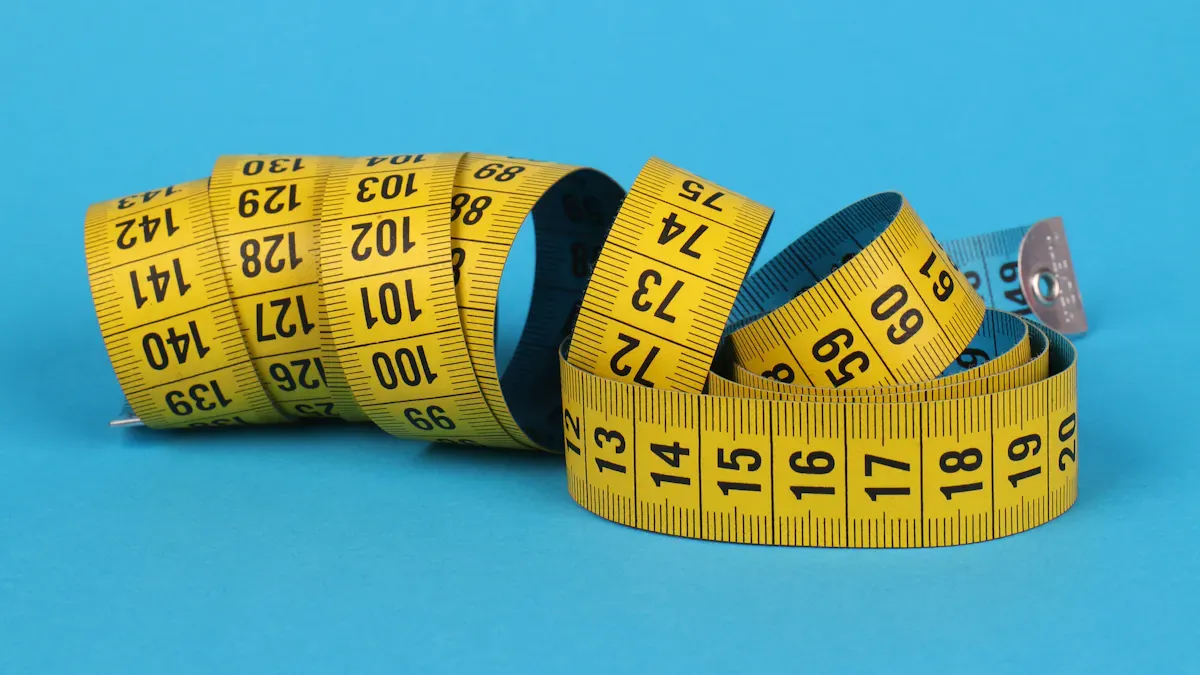
A ruler or measuring tape: This will help you measure how long and wide your foot is.
A flat surface: Make sure you have a hard, even area to work on.
Using these tools will help you get exact measurements. This is important for finding the right shoe size. Accurate foot measurement can stop discomfort and long-term foot health problems. Shoes that don’t fit well can cause blisters, calluses, and even serious foot issues.
Step-by-Step Measurement Guide
Measuring your foot size at home is simple. Follow these steps to get accurate results:
Find a flat surface and put a sheet of paper on it.
Stand with your heel against the wall and trace your foot on the paper.
Measure the widest part of your traced foot with a ruler or measuring tape.
Compare your measurement to a shoe width chart to find your shoe width.
Tip: Avoid common mistakes while measuring. Hold the pencil straight at a 90-degree angle to the paper. Any angle can change your outline. Also, make sure you do not move your foot while tracing. This can cause mistakes.
Here’s a quick overview of how different measurement methods compare:
Measurement Method | Foot Length Difference | Foot Width Difference |
|---|---|---|
3D Scanning | Significant (0.6 cm) | 1 mm to 3 mm |
2D Scanning | Smaller than manual | Smaller than manual |
Manual Measurement | Underestimates | Underestimates |
By following these steps and using the right tools, you can measure your feet correctly. This knowledge will help you pick shoes that fit well and support your foot health.
Knowing how to read shoe size charts is important for getting the right fit. Good measurements help you deal with size differences between brands. This knowledge greatly lowers the chances of buying shoes that don’t fit well.
Here are some important tips:
Pick shoes that feel good.
Measure both feet and choose the size for the bigger foot.
Try on shoes with the socks or inserts you usually wear.
By using these tips, you can make your shopping better and feel more comfortable. Remember, a shoe that fits well not only makes you comfortable but also helps your foot health.
Good fitting helps sales and makes customers happy.
Use this knowledge to find the best pair of shoes!
FAQ
What should I do if my foot measurements fall between two sizes?
If your measurements fall between sizes, choose the larger size. This ensures comfort and prevents pinching. Always try on shoes to confirm the fit.
How often should I measure my feet?
You should measure your feet every year. Feet can change due to age, weight, or health conditions. Regular measurements help you find the right size.
Can I rely on online size charts?
Online size charts are helpful, but they may not be accurate for every brand. Always check the specific brand’s size chart before purchasing shoes.
Why do my shoes feel tight even if I measure correctly?
Shoes may feel tight due to their design or materials. Different brands have unique fits. Always try on shoes to ensure comfort, especially with new styles.
What is the best time of day to measure my feet?
Measure your feet in the afternoon or evening. Feet tend to swell throughout the day, so measuring when they are slightly larger helps you find a better fit.