

Finding the right fit can be hard, especially when you shop online. Did you know that more than half of clothing returns are because of wrong sizes? That’s a huge 52%! Knowing how to read clothing size charts can help you avoid these problems. When you know your measurements, you can shop confidently. This helps reduce the frustration from sizing mix-ups. Brands with clear size charts usually have happier customers and fewer returns. So, let’s explore how you can use these charts to help you!
How to Measure Yourself
Getting the right fit starts with measuring yourself correctly. When you take good measurements, you can avoid the trouble of clothes that don’t fit. Here’s how to do it!
Key Measurements
To make sure your clothes fit well, pay attention to these important measurements:
Bust/Chest: Measure around the fullest part of your chest.
Waist: Find the narrowest point, usually above your belly button.
Hips: Measure around the fullest part of your hips.
Shoulder Width: Measure from one shoulder edge to the other.
Inseam: Measure from the crotch to the bottom of your leg.
Sleeve Length: Measure from the shoulder seam to your wrist.
These measurements are important for different types of clothing. For example, a dress needs bust and waist measurements. Pants need inseam and hip measurements.
Tip: Many people measure their neck and crotch lengths wrong. This can cause problems like loose necklines or discomfort in pants. Always check these areas to avoid fitting issues.
Tools for Accuracy
Using the right tools helps you get accurate measurements. Here’s what you need:
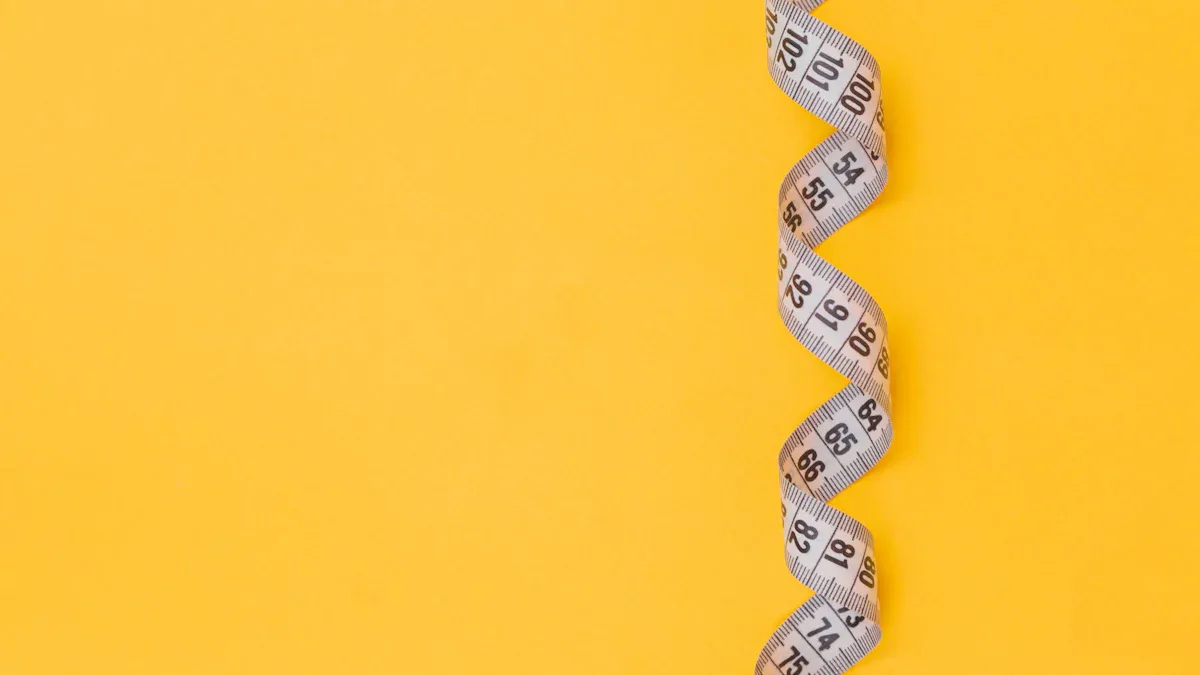
A flexible tailor’s measuring tape: This tool bends easily around your body for accurate measurements.
Fitted clothing or undergarments: Wearing these helps you see how clothes will fit.
A mirror or a helper: These can help you measure hard-to-reach areas, so you don’t miss anything.
When measuring, stand straight. Keep the tape straight and snug but not tight. This will help you get the best readings.
Measurement Type | Digital Tools Accuracy | Tape Measure Accuracy | Notes |
|---|---|---|---|
Waist Circumference (WC) | Slightly underestimated | Reference standard | Underestimation in females |
Hip Circumference (HC) | Slightly overestimated | Reference standard | Overestimation noted |
Waist-to-Hip Ratio (WHR) | Significant underestimation | Reference standard | Non-equivalence across methods |
By following these tips and using the right tools, you’ll be on your way to finding the perfect fit. Remember, knowing your measurements is the first step to using a clothing size chart well!
Clothing Size Chart Importance
Knowing how to read clothing size charts is very important. It helps you find the right fit. When you understand these charts, you can avoid the hassle of getting clothes that don’t fit. Size charts save you both time and money by lowering the chances of returns.
Size Variations Across Brands
You might be shocked to find out that sizes can change a lot between different clothing brands. Things like different base patterns, vanity sizing, and international size changes all matter. This means you may need different sizes from different brands, even if the tags say the same size. Always check the actual measurements instead of just looking at the label.
Tip: When you shop, look for brands that have detailed size charts. This can help you make smart choices and find clothes that fit well.
Understanding Fit Types
Fit types also change how clothing sizes are suggested. Brands usually offer different fit types, like Slim Fit, Regular Fit, Loose Fit, and Oversized Fit. Each fit type has a different amount of ‘ease’ built into the clothing. Ease is the extra space beyond your actual body size. For example, a Slim Fit has little ease, while an Oversized Fit has a lot of ease.
This difference in fit types affects size suggestions. Brands need to think about body sizes, clothing details, and the design to keep customers happy.
When you know these fit types, you can pick clothes that fit your size and match your style.
Not using size charts correctly can cost a lot of money. Returns can take away up to 30% of a product’s value, causing problems with logistics and customer service. Plus, getting new customers costs five times more than keeping the ones you have. If 75% of shoppers are less likely to buy again from a store that charges return fees, it shows that accurate sizing is important for both buyers and sellers.
Common Sizing Systems
When you shop for clothes, you will see many sizing systems. Knowing these differences can help you choose better and avoid returns.
Size Conversion Charts
Here’s a quick look at how sizes change in the US, UK, and EU systems:
Category | US Size | UK Size | EU Size |
|---|---|---|---|
Women | Varies | British Standard 3666 | Varies |
Men | Varies | British Standard 6185 | Varies |
Children | Varies | Height-based | Varies |
Shoe Sizes | Larger | Smaller | Varies |
You might find it hard to change sizes between these systems. Many shoppers struggle to find their size in another country. This confusion often leads to many returns for online orders. To make shopping easier, always check size charts before you buy.
Tip: Keep a size conversion chart close when shopping online. It can save you time and help you avoid sizing mistakes!
Plus Size Considerations
Plus size clothing has its own challenges. Here are some important points to think about:
Grading sizes for plus size clothing is more than just making standard sizes bigger. Designers must think about how clothes fit different body shapes.
Body diversity is important for fit. People gain weight in different areas, based on genetics and lifestyle.
Inclusive sizing should fit different body shapes, like hourglass, triangular, and inverted triangle.
Many brands work hard to be inclusive by offering many sizes. They provide detailed size charts that show both garment and body measurements. This helps reduce returns and makes customers feel more confident about fit.
Note: When shopping for plus sizes, look for brands that focus on accurate sizing and inclusivity. This can really improve your shopping experience!
By knowing these common sizing systems, you can easily navigate clothing sizes. Remember, a well-informed shopper is a happy shopper!
Tips for Using Size Charts
Reading Size Charts
Knowing how to read size charts can really help when you shop. Here are some tips to make it easier:
Know the Difference: Learn the difference between body measurements and garment measurements. Body measurements show your size. Garment measurements show how the clothes will fit.
Use Garment Measurement Charts: Always check garment measurement charts to see the real size of clothing. This helps you compare sizes better.
Compare with Your Wardrobe: Look at similar items in your closet. This gives you a good idea of what fits you well.
Consider Fabric and Fit: Remember that fabric types and fit (like oversized or fitted) can change sizing. Stretchy fabrics may fit tighter, while structured fabrics might need more space.
Look for Model Measurements: Some brands show model measurements to give you a visual guide for fit. This can help you see how the clothes might look on you.
Tip: Always check brand-specific size charts. Different brands use different sizing methods for their target customers. This means your size in one brand might not be the same in another.
Brand-Specific Charts
When you shop, you’ll see that each brand has its own size chart. Here’s why this is important:
No Universal Standards: There are no set sizing rules in the clothing industry. Each brand makes its own sizing system based on its customers and fit models.
Factors Influencing Size: Design style, fabric choices, and even where the brand is from can affect sizing. This can cause big differences for shoppers.
Benefits of Brand-Specific Charts: Checking these charts helps you pick the right size, which lowers the chance of returns. It also makes you feel more confident when buying.
If you are between sizes, here’s what to do:
If the garment is stretchy or loose, think about choosing the smaller size.
For fitted clothes, or if you’re unsure, it’s usually better to go with the larger size.
By following these tips, you can easily use size charts and find clothes that fit you just right!
Understanding clothing size charts is very important for getting the right fit. Here are some main points to remember:
Good measurements help you avoid clothes that don’t fit.
Size charts are different for each brand, so check them before you buy.
Knowing about fit types can help you choose better and avoid returns.
Many shoppers find size charts confusing because of unclear words. This confusion can cause mistakes. Remember, sizing methods have not changed much since the 1800s. This makes it even more important to know how to read these charts. By using what you’ve learned, you can shop with confidence and lower the chances of returns. Happy shopping! 🎉
FAQ
What should I do if I’m between sizes?
If you’re between sizes, consider the garment’s fit. For stretchy fabrics, choose the smaller size. For fitted styles, opt for the larger size to ensure comfort.
How often should I measure myself?
You should measure yourself every six months or whenever your body changes significantly. Factors like weight fluctuations or muscle gain can affect your size.
Can I trust size charts from different brands?
Not always. Each brand has its own sizing system. Always check the specific size chart for the brand you’re buying from to ensure a proper fit.
What if the size chart is unclear?
If the size chart confuses you, look for customer reviews or ask the retailer for clarification. Many brands provide additional guidance to help you choose the right size.
Why do sizes vary so much between brands?
Sizes vary due to different design standards, target markets, and manufacturing processes. Each brand creates its own sizing based on its unique fit models and customer feedback.