

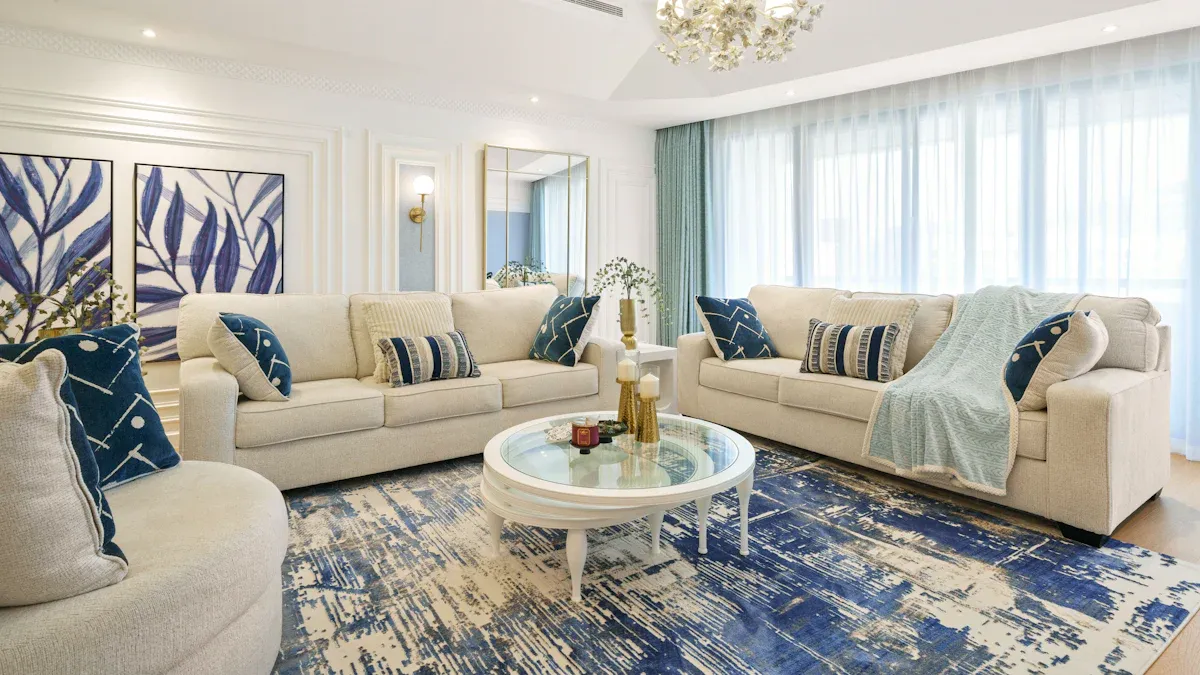
Picture yourself walking into a room filled with gold and glitter. Everything shines, but you feel a little lost. Now, imagine stepping into a space where every detail feels chosen just for you. The air feels calm. The colors soothe your eyes. This is what it means to move beyond opulence. You start to see that true luxury is about living with care and intention. What does real comfort mean to you? Take a moment to think about your own Curated Life and what brings you joy.
Key Takeaways
Redefine luxury by focusing on meaning and experiences rather than material possessions.
Embrace the Curated Life by making intentional choices that reflect your values and bring you joy.
Incorporate nature into your daily life to enhance your well-being and create a calming environment.
Prioritize experiences over things to build stronger connections and create lasting memories.
Start small by adding meaningful items to your space and planning activities that foster connection.
Redefining Luxury
From Opulence to Meaning
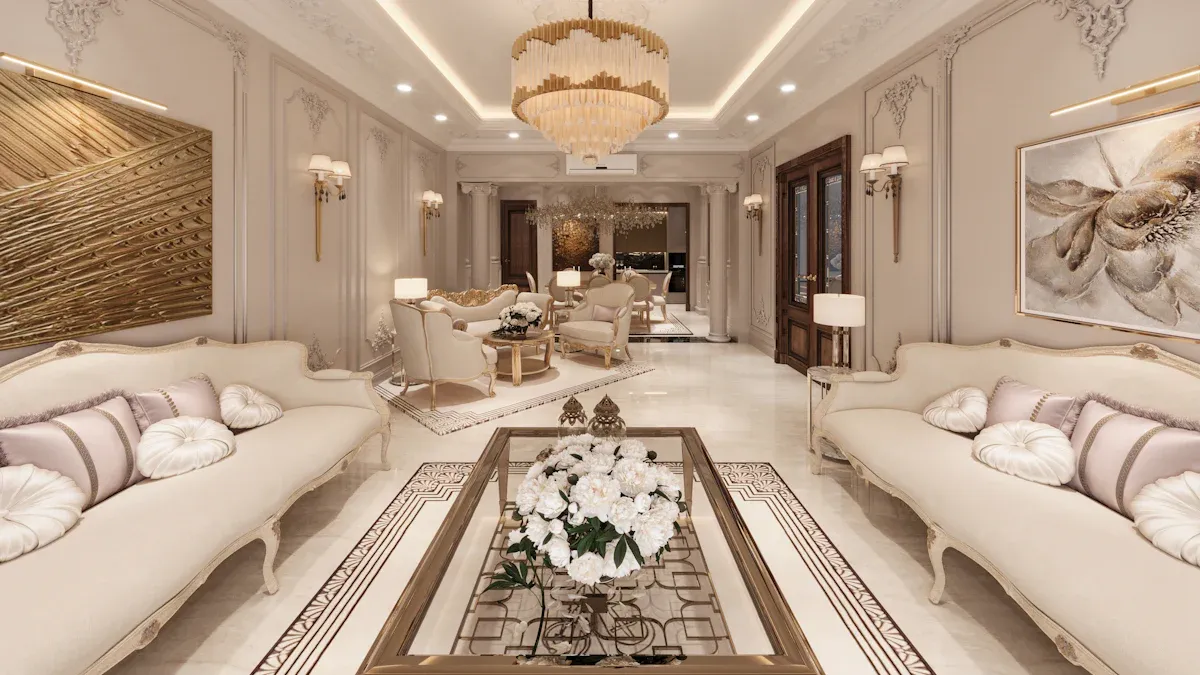
Luxury used to mean having the most expensive things. You might picture rooms with black-and-gold colors, shiny metals, and bold patterns. Designers often filled these spaces with statement lights and fancy vases. This style, called traditional opulence, focused on showing off wealth and status.
Common features of traditional opulence:
Rich color palettes, like black and gold
Geometric patterns, such as zigzags and chevrons
Furniture with clean lines and glossy finishes
Artistic lighting as a centerpiece
Ornate accessories and art pieces
But what does luxury mean today? You see a big change. People now care more about meaning and experiences than just owning things. Many want to feel a real connection to what they buy and how they live. You might notice that younger generations, like Gen Y and Z, look for experiences and emotional connections instead of collecting more stuff. They also care about how their choices affect the planet.
Time Period | Key Themes in Luxury Definition | Notable Changes in Consumer Behavior |
|---|---|---|
17th Century | Extraordinary commodities | Luxury was rare, like pearls and crystals |
19th-20th Century | Craftsmanship and customization | Focus on uniqueness and exclusivity |
Late 20th Century | Historical and economic perspectives | Research on consumer behavior and cultural differences |
2012-Present | Sustainability and ethical consumption | Shift to experiences, access over ownership, digital |
Minimalism helps to relieve stress by reducing the number of things that can disturb the mind. It allows for a clearer and more organized mind, leading to improved overall mental health.
When you move away from material excess, you often feel lighter and more at peace. You start to see that true luxury is about living with intention and finding joy in the simple things.
The Curated Life Approach
So, what is the Curated Life? You choose what matters most to you. You fill your days and your home with things that match your values and goals. You do not just follow trends or buy what everyone else has. You make choices that feel right for you.
The Curated Life means:
You set personal goals and stay true to yourself.
You surround yourself with positive people and things.
You keep growing and learning.
You make mindful choices about what you buy and how you live.
Living an extreme minimalist life can have profound psychological benefits, allowing individuals to experience the transformative power of simplicity and improve their overall mental wellbeing. By embracing a deliberate lifestyle of extreme minimalism, individuals can find peace and clarity in a world filled with distractions and clutter.
You might wonder how this is different from minimalism. People who live the Curated Life focus on being intentional and mindful. They do not just get rid of things for the sake of having less. They want every choice to have meaning. They also care about the impact of their choices on the world. Many look for sustainable options and think about how their actions affect others and the environment.
What sets the Curated Life apart:
You practice intentionality and mindfulness in every choice.
You avoid turning minimalism into just another trend.
You seek a meaningful life, not just a stylish one.
You see this shift in many areas. For example, luxury travel now means having real cultural experiences, not just staying in fancy hotels. Many people want to learn, connect, and grow. They want their lives to reflect who they are, not just what they own.
Minimalism offers profound psychological benefits that can enhance mental health, emotional well-being, and overall life satisfaction.
The Curated Life invites you to slow down and enjoy what you have. You focus on quality over quantity. You choose things that last and bring you happiness. This approach helps you feel more connected, calm, and fulfilled.
Nature and Biophilic Living

Embracing Green Spaces
What happens when you bring more nature into your daily life? You start to feel calmer and more refreshed. Green spaces, like parks, gardens, or even a few houseplants, can make a big difference in how you feel each day. Scientists have found that spending at least 120 minutes a week in nature links to better health and well-being. You might notice less stress and more happiness just by taking a walk outside or sitting in your backyard.
Spending time in green spaces can:
Lower anxiety and depression, especially for young people.
Help you feel more mindful and present.
Encourage social interaction and physical activity.
When you add plants or natural elements to your home, you create a peaceful space. This is called biophilic design. It means you use things like wood, stone, or water features to connect with nature. People who live in homes with biophilic design often feel less stressed and more inspired. You may find it easier to focus and feel creative in these spaces.
Tip: Try adding a few plants to your favorite room or open your windows to let in fresh air and natural light. Small changes can help you feel closer to nature.
Seasonal Harmony
What if your home could change with the seasons? You can create harmony by making small updates throughout the year. Start by bringing in fresh flowers from your garden or swapping out light summer fabrics for cozy fall textures. These simple changes keep your space feeling new and in tune with nature.
Easy ways to match your home with the seasons:
Use hardy plants that last into fall for outdoor color.
Swap out textiles, like pillows and blankets, to match the season.
Try budget-friendly updates, such as painting or changing decor accents.
Organize storage so you can easily switch items as the weather changes.
Regularly refreshing your decor with the seasons keeps your home vibrant and welcoming. When you live the Curated Life, you pay attention to these details and enjoy the beauty each season brings.
Curated Life at Home
Intentional Design
What does it mean to have intentional design in your home? You make choices that help you feel calm, focused, and happy. Every item has a purpose. You avoid clutter and create spaces that support your daily life. When you choose intentional design, you shape your home to match your values and needs.
Here’s what research shows about intentional design and quality of life:
Design Choice | Impact on Life |
|---|---|
Reducing clutter | Promotes calm and focus |
Organized workspaces | Increases satisfaction |
Natural light and smart room layout | Boosts mood, lowers stress |
Biophilic design (nature-inspired elements) | Improves emotional well-being |
You notice that a well-designed home can also help your family. A nurturing space lowers stress for children and teaches them how to handle conflicts. Parents who shape the home environment help create a stable and happy family dynamic. The Curated Life at home is about making these thoughtful choices.
Timeless Aesthetics
What makes a home feel timeless? You see spaces that never go out of style. Timeless aesthetics focus on beauty that lasts, not just trends. Design historians say these are the key features:
Simplicity and functionality with clean lines
Organic shapes and natural forms in furniture
Neutral and earthy tones, sometimes with a pop of color
Quality furniture that lasts for years
Clutter-free rooms with open, intentional layouts
You also find that timeless homes often use biophilic design. You might see big windows with views of trees or living walls filled with plants. These choices connect you to nature, which can lower stress and boost creativity. Simple changes like adding natural light or greenery can make your home feel healthier and more peaceful.
When you live the Curated Life at home, you create a space that feels both innovative and welcoming. You enjoy harmony, comfort, and a sense of connection every day.
Experience and Connection
Garden-to-Glass Living
What does garden-to-glass living look like in your daily life? You step outside and see a space designed for more than just looks. Maybe you have a small herb garden, a cozy spot for morning coffee, or a deck for yoga and meditation. These outdoor spaces do more than decorate your home-they help you feel better every day.
Experts say that outdoor living trends now focus on wellness and connection to nature. You might notice features like yoga decks or meditation corners. These spaces help you relax and enjoy life more. When you add natural elements, you boost your mental well-being. You can use your outdoor area for many activities, making it useful all year. This approach encourages you to spend more time outside, no matter the season.
The most popular garden-to-glass living trends include:
Bringing nature into your daily routine for better mental health
Creating spaces that work for different activities, like reading or exercise
Designing outdoor areas you can use in every season
When you choose garden-to-glass living, you create a lifestyle that supports your happiness and health.
Curated Experiences
What makes a moment truly special? You might find that experiences bring more joy than things you buy. Many people today value memories over material goods. Social media often inspires you to seek out unique moments you can share. You may notice that spending time with friends or family feels more rewarding than getting new stuff.
Why do curated experiences matter?
They help you feel closer to others and build strong connections.
You remember experiences longer than you remember things.
You feel more engaged and happy when you focus on moments, not objects.
Evidence Type | Findings |
|---|---|
Social Connection | Experiences help you connect with others and reduce feelings of distance. |
Sense of Kinship | Reflecting on experiences gives you a sense of belonging and connection to humanity. |
Social Engagement | After recalling experiences, you prefer social activities over being alone. |
When you live the Curated Life, you fill your days with meaningful experiences. You choose moments that matter and create memories that last.
Real-Life Inspiration
Living the Curated Life
Imagine you meet the Rivera family. They live in a small city apartment, but their space feels open and peaceful. You notice that every item in their home has a story. The dining table came from a local craftsman. The walls show art from friends. Plants fill the windowsills, bringing nature inside. The Riveras spend weekends exploring parks and cooking meals together. They choose experiences over things. You see that they value connection, comfort, and creativity.
The Riveras do not follow every trend. They pick what matters most to them. You might spot a cozy reading nook or a handmade quilt. Their home feels welcoming because they focus on quality and meaning. You realize that living the Curated Life is not about having more. It is about choosing what fits your values and brings you joy.
Tip: You can start small. Try adding one meaningful item to your space or plan a simple activity with loved ones.
Lessons and Takeaways
What can you learn from people like the Riveras? Case studies show that real-life examples help you understand design thinking and problem-solving. You see how families create spaces that support their needs and reflect their personalities. Many stories follow the same format, but original examples offer fresh ideas.
Here are some practical lessons you can use:
Choose items that tell your story, not just fill space.
Focus on experiences that build connection and happiness.
Refresh your home with nature-inspired touches.
Look for unique case studies to inspire your own journey.
Share your space with others and invite creativity.
You discover that the Curated Life is about making choices that matter. You do not need a big budget or a huge house. You need intention, care, and a desire to create beauty in your everyday life.
You can start living a curated life with small, intentional steps. Try these ideas:
Decide what you want most and create a clear vision.
Break your goals into simple, doable steps.
Add structure and time blocks to your daily routine.
Face your fears about change.
Embrace a simple morning routine.
Simplify your wardrobe for less stress.
Continuous, intentional reflection helps you grow and move closer to your ideal life.
Choose what matters. Let your days reflect purpose, beauty, and connection. 🌱
FAQ
What does it mean to live a curated life?
You choose what matters most to you. You fill your days with things and experiences that match your values. You focus on quality, not quantity. Every choice feels intentional.
What makes the curated life different from minimalism?
Minimalism means owning less. The curated life means choosing with purpose. You keep what brings you joy or meaning. You do not just get rid of things-you select what fits your story.
What are some easy ways to start living a curated life?
You can start small. Pick one area, like your bedroom or morning routine. Remove what you do not love. Add something meaningful, like a favorite photo or plant. Notice how you feel.
What role does nature play in the curated life?
Nature helps you feel calm and connected. You can bring plants into your home or spend time outside. Even a short walk in a park can boost your mood and help you feel refreshed.
What should you look for when choosing items for your home?
Look for quality and meaning. Choose things that last and tell your story. Avoid buying just because something is trendy. Pick items that make you feel happy and comfortable.