

You do not need to follow a strict dress code in singapore. People usually wear casual clothes that feel comfortable and look modest. The tropical climate shapes daily choices, so you often see these styles:
Breathable fabrics like cotton, linen, or bamboo help you stay cool.
Loose-fitting shirts and pants let air flow around your body.
Light-colored clothes reflect sunlight and keep you from getting too hot.
Many people use umbrellas and wide hats to block the sun.
Clean, neat, and weather-friendly clothes work best. Some places, like offices, temples, or nightclubs, may ask you to dress more formally or conservatively.
Key Takeaways
Choose lightweight, breathable fabrics like cotton and linen to stay cool in Singapore’s hot and humid climate.
Dress modestly in religious sites by covering shoulders and knees; many places provide wraps if needed.
For work settings, aim for neat and professional attire; business casual is often acceptable, but check your company’s dress code.
Be mindful of local customs; avoid offensive clothing and overly revealing outfits to respect Singapore’s diverse culture.
Always carry essentials like sunglasses, a hat, and a compact umbrella to prepare for sudden weather changes.
Dress Code in Singapore
General Guidelines
You will notice that the dress code in singapore is relaxed and practical. Most people choose clothing that feels comfortable and looks neat. You do not need to follow a strict set of rules, but you should avoid wearing anything vulgar or ragged. Singaporeans value a tidy appearance, so you should make sure your clothes are clean and in good condition.
The hot and humid weather shapes daily fashion choices. You will see many people wearing light fabrics such as cotton or linen. These materials help you stay cool and dry. Many residents also pick clothes with moisture-wicking or UV protection features. This helps you feel comfortable when you spend time outdoors.
Here is a table showing the most popular clothing brands among Singaporeans. These brands offer a wide range of options for both men and women, making it easy for you to find something suitable for the climate and local style.
Brand | Overall Consideration | Male Consideration | Female Consideration | Gen Z Consideration |
|---|---|---|---|---|
Uniqlo | 51.0% | 47.8% | 54.1% | 51.0% |
Nike | 25.8% | 31.0% | 20.7% | 37.8% |
Decathlon | 25.2% | 27.4% | 23.2% | N/A |
adidas | 24.4% | 30.0% | 18.8% | 29.9% |
H&M | 16.5% | 16.2% | 22.0% | 22.0% |
SHEIN | N/A | N/A | 19.8% | N/A |
Cotton On | N/A | N/A | N/A | 19.3% |

You will find that casual wear for women, such as dresses, skirts, and shorts, is common. Men often wear T-shirts and shorts or lightweight pants. The singapore dress code allows for a lot of flexibility, but you should always aim for a modest and respectful look, especially in public spaces.
Tip: You should carry a scarf or sarong if you plan to visit religious sites. This helps you cover your shoulders or knees when needed.
Local Customs
Local customs play a big role in shaping the singapore dress code. You will see that modesty is important, especially in religious and formal settings. When you visit temples, mosques, or churches, you should cover your shoulders and knees. Many places provide wraps or scarves at the entrance, but bringing your own is a good idea.
Singaporeans prefer modest attire in public. Revealing clothing is discouraged, especially at religious sites. You should also remember to remove your shoes before entering homes or certain establishments, such as temples.
Aspect | Description |
|---|---|
Modesty | Emphasis on dressing modestly, especially in religious and formal settings. |
Clothing Restrictions | Avoid revealing clothing; cover shoulders and knees. |
Footwear Etiquette | Custom to remove shoes before entering homes or certain establishments. |
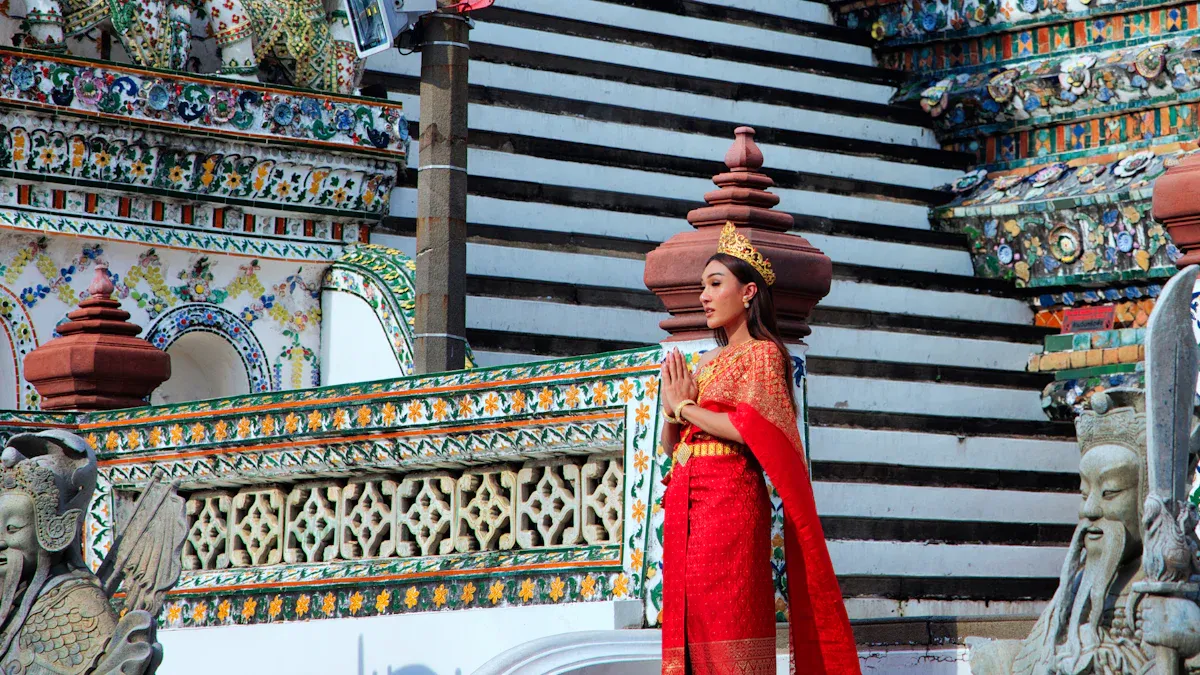
You will notice that Singaporeans balance comfort and modesty in their daily outfits. The diverse culture encourages people to wear traditional styles like baju kurung or cheongsam, especially during festivals or family gatherings. At the same time, you can see many people in modern, practical clothing that suits the climate.
Compared to neighboring Southeast Asian countries, the dress code in singapore is more relaxed. You can wear shorts, skirts, and tank tops in most places. However, you should always check if a specific location has its own rules.
Note: Looking good and feeling comfortable is important in Singapore. You do not need to follow a strict dress code, but you should respect local customs and settings.
What to Wear in Singapore

Everyday Outfits
When you think about what to wear in Singapore, comfort and practicality should guide your choices. The weather stays hot and humid all year, so you want clothes that help you stay cool and dry. Most Singaporeans prefer simple, lightweight outfits for daily activities. You can see these popular styles around the city:
Casual dresses offer both style and comfort. Many people choose maxi or knee-length linen dresses because they feel light and look neat.
Athleisure has become a favorite. You might notice high-waisted leggings, tailored joggers, and moisture-wicking tops in parks and shopping malls.
Minimalist fashion stands out for its versatility. Neutral colors and timeless staples, like midi skirts paired with simple tops, make it easy to mix and match.
You should pick breathable fabrics such as cotton, linen, or bamboo. These materials help you avoid feeling sticky or overheated. Clean and tidy clothes always make a good impression, even when you dress casually.
Many young people in Singapore care about affordability and trends when choosing clothes. Environmental concerns matter less, even though most agree that textile waste is important.
Business Attire
If you plan to work or attend meetings, you need to know what to wear in Singapore offices. The dress code in singapore varies by industry, but most workplaces expect you to look neat and professional. Air conditioning in offices lets you wear more formal clothes without feeling too hot.
You can follow these common business attire options:
Business Professional: Men wear tailored suits, long-sleeved shirts, ties, and dress shoes. Women choose modest dresses or skirt suits.
Business Casual: Men often wear button-down shirts without jackets. Women pick structured blouses and slacks.
Smart Casual: Men select tailored trousers and polos. Women go for shift dresses, focusing on a polished look.
Casual Fridays: Neat jeans and polo shirts are fine, but avoid anything too casual or sloppy.
Different industries have their own standards. In finance and banking, you must wear formal business attire. Technology companies and creative fields allow more relaxed styles, but you still need to look presentable. Even on dress-down days, you should avoid ragged or revealing clothes.
Evening Wear
When you wonder what to wear in Singapore for a night out or a special event, you should prepare for a higher standard. Upscale restaurants, theaters, and formal gatherings often expect you to dress up. Evening wear for women includes many elegant options:
Peach mesh maxi dresses work well for informal dinners. They feel light but look luxurious.
Off-shoulder blue lace midi dresses suit formal or semi-formal events. They give a classic and romantic style.
Purple cold shoulder bodycon dresses fit formal occasions. They help you stand out and feel confident.
Men usually wear dress shirts and trousers, sometimes with a blazer. For very formal events, a suit and tie may be required. Always check the invitation or venue guidelines before choosing your outfit.
Tip: When you plan what to wear in Singapore for special occasions, bring at least one formal outfit. This helps you feel ready for any event, from business dinners to weddings.
Singapore Dress Code for Occasions
Work Settings
You will find that work settings in Singapore expect you to look neat and professional. Most offices require business attire, especially in finance or law. Men usually wear long-sleeved shirts, trousers, and sometimes a tie or jacket. Women often choose blouses with skirts or pants. Some companies allow business casual, so you can wear polo shirts or smart dresses. On Fridays, you may see jeans or more relaxed outfits, but you should still look tidy. Always check your company’s policy before picking your clothes.
Religious Sites
When you visit religious sites, you must dress modestly. Many temples and mosques have clear rules. You should avoid mini skirts, short shorts, and bare-back tops. Both men and women need to wear pants or skirts that cover the knees. Lightweight fabrics like cotton or linen help you stay cool. Capri pants and blouses with short sleeves work well. If you wear a dress, make sure it covers your knees. You can wear tank tops in most places, but not in religious centers.
Wear modest clothing that covers shoulders and knees.
Avoid mini skirts, short shorts, and bare-back tops.
Choose lightweight fabrics such as cotton or linen.
Ladies in dresses should ensure skirts cover the knees.
Tip: Many religious sites provide scarves or wraps if you need extra coverage.
Nightlife
Nightlife venues in Singapore have different dress codes. Casual dining places let you wear comfortable clothes. Upscale bars and clubs often require smart casual attire. Men should avoid slippers, shorts, or bermudas in fancy venues. Women have more relaxed footwear options, but you should still look polished. Five-star hotels and discotheques may post their dress code online, so check before you go.
Casual eateries: Comfortable clothing allowed.
Upscale venues: Smart casual required.
Discotheques and hotel bars: No slippers, shorts, or bermudas for men.
Social Events
Social events in Singapore range from fairs to formal dinners. You should match your outfit to the occasion and venue. For parties, you can wear your best party dress. Fancy bars often require men to wear long pants. At fairs, day clothes work well. Formal events call for business attire, such as a suit and tie. Evening events in fancier places mean you should dress up.
Occasion/Type of Event | Dress Code Description |
|---|---|
Formal Events | Traditional business attire (suit and tie) |
Casual Outings | More relaxed clothing |
Evening Events | Dressing up, especially in fancier venues |
If you plan to visit the beach, you will see that beach wear for women is common in coastal areas, but you should cover up when leaving the beach.
Footwear and Accessories
Shoes for Comfort
You want shoes that keep your feet comfortable as you explore Singapore. The city’s hot and humid climate means you need footwear that breathes and supports your daily activities. Most Singaporeans choose shoes that match their lifestyle and the weather. Here are the most popular options:
Casual footwear gives you comfort and versatility for walking around malls or parks.
Formal shoes combine style with comfort, perfect for meetings or special occasions.
Outdoor and sports shoes provide support and grip for hiking or exercising.
If you look for footwear for women, you will find many choices like sandals, ballet flats, and sneakers. These styles help you stay cool and look neat. You should avoid heavy boots or shoes that trap heat.
Tip: Pick shoes with cushioned soles and breathable materials. This helps you avoid sweaty feet and blisters.
Climate-Ready Accessories
Singapore’s weather can change quickly. You need accessories that protect you from the sun and sudden rain. Many people use these items every day:
Sunglasses shield your eyes from strong sunlight.
Wide-brim hats or baseball caps protect your face from heat.
Lightweight scarves or shawls help you cover up in air-conditioned places.
Reef-safe sunscreen keeps your skin safe from UV rays.
Small, foldable umbrellas are handy for rain showers.
Lightweight, packable rain jackets work well during monsoon season.
You should also wear loose, breathable clothing to manage humidity. Hats, caps, and umbrellas give you extra sun protection.
Bags and Extras
You need a bag that keeps your belongings safe and organized. Singapore’s urban environment makes security important. Here is a table showing recommended bag styles and their key features:
Bag Style | Key Features |
|---|---|
Sling | Lockable zippers, reinforced materials |
Messenger | Lockable zippers, various sizes |
Tote | Clip-on zipper pulls, slash-resistant nylon, RFID protection |
Backpack | Slash-resistant materials, internal organization for laptops |
Convertible Tote | 5-point anti-theft security system, comfortable for switching styles |
Victoria Tote | Sleek design, clip-on zipper pulls, RFID card slots |
You should choose a bag with anti-theft features and enough space for your daily needs. Many people prefer backpacks or totes for convenience and security.
Weather Tips
Hot and Humid
Singapore stays hot and humid all year. You will notice daily high temperatures around 31°C and nightly lows that rarely drop below 25°C. Humidity often stays above 80%. This weather means you need to choose your clothes carefully. You should wear outfits made from natural fibers like cotton and linen. These fabrics let your skin breathe and help you stay cool. Synthetic materials can trap heat and make you feel uncomfortable.
Loose-fitting shirts, shorts, and dresses work well. Light colors reflect sunlight and keep you from overheating. Many people also use hats or sunglasses to protect themselves from the strong sun. If you spend time outdoors, you should apply sunscreen and carry a water bottle to stay hydrated.
Tip: When packing for suitable weather in Singapore, focus on lightweight, breathable clothing. This helps you feel comfortable in the heat and humidity.
Rainy Days
Rain falls often in Singapore. You can expect wet weather throughout the year, especially from November to January during the northeast monsoon season. Sudden showers can happen at any time, so you need to prepare your wardrobe for rain.
Singapore’s climate brings frequent rain and high humidity.
You should pack a lightweight rain jacket or poncho for sudden downpours.
Carry a compact umbrella in your bag every day.
Waterproof shoes protect your feet from puddles and wet streets.
Quick-dry clothing helps you stay comfortable after unexpected rain.
Dress in layers, such as using a light cardigan or scarf, for air-conditioned places.
Here are some official recommendations for dressing during rainy days:
Use compact travel umbrellas or raincoats for convenience. Raincoats can be both practical and stylish.
Make sure your bags and shoes are waterproof or water-resistant.
Avoid white or light-colored clothes to prevent visible stains from rainwater.
Skip long dresses or pants that can get wet easily. Jackets add style and keep you dry.
Pick clothing materials that dry quickly. Avoid thick fabrics like suede.
Note: You should always check the weather forecast before leaving your hotel or home. This helps you stay ready for sudden changes in weather.
What Not to Wear
Cultural Taboos
You should know what clothing items are not acceptable in Singapore. The country values respect for its multicultural society. Some clothing choices can offend local customs or create misunderstandings.
Avoid clothing with offensive language or images. Shirts with rude words or symbols can upset people.
Do not wear extremely revealing outfits in public places. Very short shorts, low-cut tops, or see-through clothing may draw unwanted attention.
Stay away from clothing that mocks or disrespects any religion. This includes items with religious symbols used in a disrespectful way.
The banning of religious garb, particularly Muslim headscarves, in schools indicates a cultural sensitivity around certain clothing items in Singapore.
You should also avoid wearing military-style clothing. This can cause confusion or concern, especially near government buildings or during national events.
Impractical Choices
Singapore’s climate and lifestyle make some clothing choices unwise. You want to stay comfortable and safe as you move around the city.
Heavy fabrics like wool or thick denim trap heat and make you sweat.
Dark colors absorb sunlight and can make you feel hotter.
High heels or stiff dress shoes can hurt your feet after a day of walking.
Long, trailing dresses or pants may get dirty or wet during sudden rain.
Here is a quick table to help you decide what not to wear:
Clothing Item | Why to Avoid |
|---|---|
Heavy jackets | Too hot for the climate |
Tight synthetic tops | Trap sweat and cause discomfort |
Flip-flops in city | Not safe for long walks or rain |
Revealing outfits | Disrespectful in many settings |
You should always choose clothes that respect local customs and suit the weather. This helps you enjoy your time in Singapore without worry.
You should prioritize comfort, cleanliness, and respect for local customs when choosing your outfits in Singapore. Lightweight T-shirts, linen tops, and summer dresses with bold prints help you stay cool and stylish.
Wear breathable fabrics like cotton or silk for hot days.
Pack a light cardigan for air-conditioned places.
Carry sunglasses, a hat, and a water bottle for outdoor activities.
Choose versatile items such as skirts, shorts, and collared shirts for different occasions.
With these choices, you can feel confident dressing for any setting in Singapore’s tropical climate.
FAQ
What should you wear when visiting a temple in Singapore?
You need to wear clothes that cover your shoulders and knees. Choose loose pants or a long skirt. Bring a scarf for extra coverage. Many temples offer wraps at the entrance.
What is the best fabric for Singapore’s climate?
Cotton, linen, and bamboo work best. These fabrics help your skin breathe and keep you cool. Avoid heavy or synthetic materials because they trap heat and sweat.
What footwear suits walking around Singapore?
Pick sneakers, sandals, or flats with cushioned soles. These shoes support your feet and help you stay comfortable. Avoid flip-flops for long walks or rainy days.
What clothing should you avoid in public places?
Do not wear clothes with rude words or images. Skip very short shorts, low-cut tops, or see-through items. You should respect local customs and choose modest outfits.
What accessories help you handle Singapore’s weather?
Carry a small umbrella, sunglasses, and a hat. These items protect you from sun and rain. Use a lightweight scarf for air-conditioned places.