


When you think about a suit that fits like it was made just for you, you imagine the work of Bespoke Tailors. These experts create suits from scratch, using your measurements and style choices. Every detail reflects your personality. You get to pick the fabric, the buttons, and even the lining. This process makes your suit truly one-of-a-kind. Wearing a bespoke suit gives you confidence and shows your unique style.
Key Takeaways
Bespoke suits are custom-made from scratch, ensuring a perfect fit and unique style that reflects your personality.
The bespoke tailoring process includes detailed consultations, multiple fittings, and careful fabric selection to create a suit that meets your needs.
Choosing high-quality materials like wool or cashmere enhances comfort and durability, making bespoke suits a worthwhile investment.
Personalization options allow you to select every detail, from fabric to buttons, ensuring your suit is truly one-of-a-kind.
When selecting a tailor, look for expertise, attention to detail, and a willingness to listen to your style preferences.
Bespoke Tailors Explained
What Is Bespoke?
You might wonder what makes a suit truly bespoke. The word “bespoke” comes from 17th century England, where customers would “speak for” a piece of cloth. Back then, only royalty and the elite could afford this level of service. Today, bespoke tailoring has evolved. Now, it stands for personal style and luxury, but it is available to more people than ever before.
Historical Origin | Modern Definition |
|---|---|
17th century England, where ‘bespoke’ meant cloth was ‘spoken for’ by a customer. | Evolved from serving royalty to a symbol of personal style and luxury for a broader audience. |
Bespoke Tailors create suits from scratch. They use your measurements, your style choices, and your preferences. Every detail is made just for you. This process highlights elegance and precision, which never go out of style.
Tip: Bespoke tailoring is not just for the wealthy. Many tailors offer options for different budgets, so you can find a suit that fits your needs.
Bespoke vs. Made-to-Measure
You have probably seen suits labeled as “made-to-measure” or “off-the-rack.” What is the difference? Let’s break it down:
Suit Type | Customization Level | Construction Details |
|---|---|---|
Bespoke | Most customized; designed from scratch | Handcrafted, unlimited choices in materials, personal measurements, and unique patterns. |
Made-to-measure | Customized to specific measurements | Based on existing patterns, adapted to fit, more options than off-the-rack. |
Off-the-rack | Standard fit with limited customization options | Mass-produced, available in standard sizes, least expensive, and limited design options. |
Suit Type | Average Cost | Turnaround Time |
|---|---|---|
Bespoke | Very expensive | 4–8 weeks or more |
Made-to-Measure | Mid-range to premium | 2–4 weeks |
Off-the-Rack | More affordable | Immediate |
Bespoke Tailors take many measurements, like shoulder width, chest, waist, and sleeve length. They draft a unique pattern for you. You get several fittings, so the suit fits perfectly. Made-to-measure suits use a standard pattern, then adjust it to your size. Off-the-rack suits come in set sizes, so you get less control over the fit and style.
Note: Bespoke tailoring is not just for jackets. You can get dresses, trousers, and more, all made to fit your body and style.
Benefits
Why choose bespoke tailoring? Here are some reasons:
Your suit fits you perfectly, which boosts comfort and confidence.
You can build a wardrobe where every piece matches your style and needs.
Bespoke suits use high-quality materials, so they last longer than most store-bought options.
You get to pick every detail, from the fabric to the buttons and lining.
The process works for all body types, not just models or athletes.
You can create a look that is flexible for work, events, or casual outings.
A bespoke suit is crafted by skilled tailors, often by hand.
Every detail is customizable, so your suit is truly unique.
The process focuses on precision, making sure your suit fits your body perfectly.
Did you know? The demand for custom tailoring is growing fast. More people want clothes that fit their bodies and match their style. Social media and the body positivity movement help people see the value of bespoke options.
Bespoke Tailors help you express your personality through clothing. You get a suit that feels good, looks sharp, and lasts for years.
Custom Suit Process
Consultation
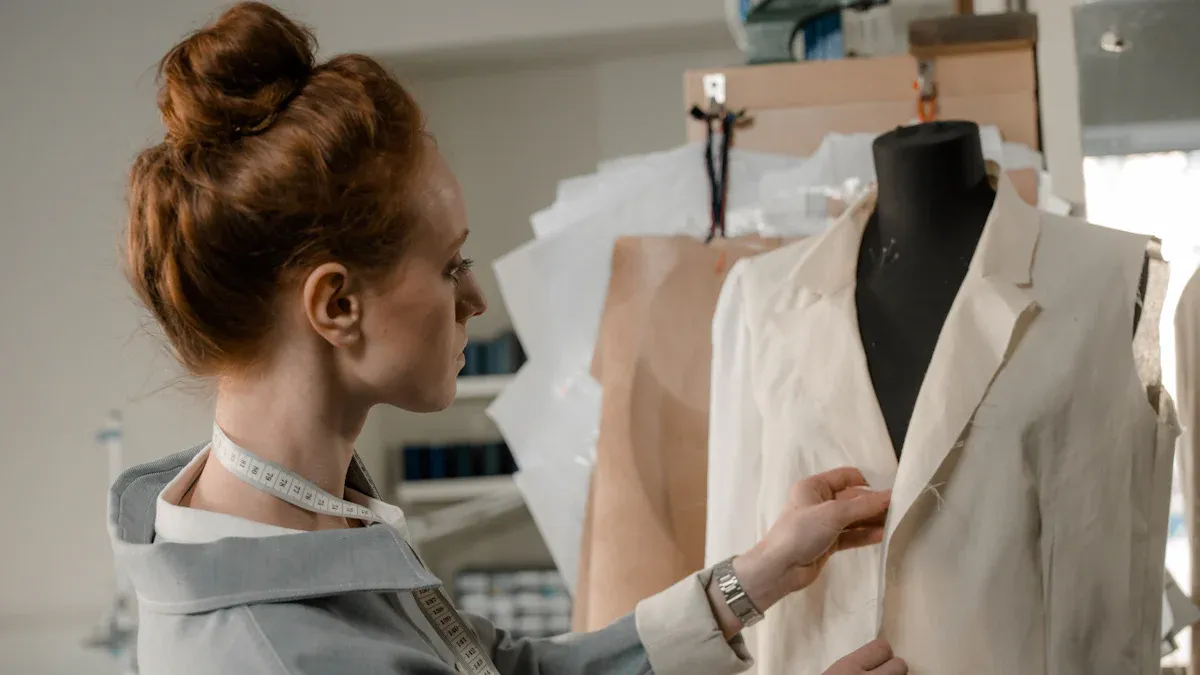
When you start your journey with Bespoke Tailors, the first step is the consultation. You sit down with your tailor and talk about what you want in a suit. You share your style preferences, the occasions you plan to wear the suit, and any special features you like. The tailor listens and asks questions to understand your needs.
Here’s what happens during a typical consultation:
You discuss the look you want, including colors, patterns, and fit.
The tailor takes detailed measurements of your body, like your shoulders, chest, waist, and arms.
You talk about your lifestyle and how you plan to use the suit.
The tailor explains options for lapels, pockets, buttons, and other details.
Step | Description |
|---|---|
Initial Consultation | Talk about your dream suit, style, and where you’ll wear it. |
Measurements | The tailor records your body’s unique shape for a perfect fit. |
Fittings | You try on the suit in stages, giving feedback for adjustments. |
Fabric Selection | You choose from many fabrics, guided by the tailor’s advice. |
Final Assembly | The suit is finished with care, making sure every detail is just right. |
Tip: The more you share about your style and comfort, the better your tailor can create a suit that feels like it was made just for you.
Fabric Selection
Choosing the right fabric is a big part of the process. You get to see and touch different materials. The tailor explains how each fabric feels, looks, and works for different seasons.
Fabric | Properties | Price Impact |
|---|---|---|
Wool | Breathable, soft, durable; works all year. | Moderate, depends on quality. |
Tweed | Textured, tough; great for cold weather. | Moderate, good for both casual and formal. |
Flannel | Warm, soft; best for fall and winter. | Moderate, adds comfort in cold climates. |
Cashmere | Smooth, luxurious, warm; needs gentle care. | High, premium price for top quality. |
Natural Fibers | Comfortable, long-lasting; more expensive than synthetics. | Higher cost, better value over time. |
You can pick from classic wool, cozy flannel, or even luxury cashmere. The tailor helps you match the fabric to your needs, whether you want something for everyday wear or a special event.
Note: Natural fibers cost more at first, but they last longer and feel better against your skin.
Fittings
Fittings are where your suit starts to take shape. You try on the suit in stages, and the tailor makes changes based on how it fits and feels. This is a team effort between you and the tailor.
Here’s how the fitting process usually goes:
First fitting (Baste): You try on a loosely stitched suit. The tailor checks the balance and fit. You give feedback, and changes are easy to make.
Second fitting (Forward): The suit looks more finished. The tailor adjusts things like lapel width and button placement. You see how the suit is coming together.
Third fitting (Finished suit): The suit is almost done. You check the final fit. The tailor makes small tweaks if needed.
Fitting Stage | Description | Adjustments Made |
|---|---|---|
Baste fitting | First try-on, suit is loosely stitched. | Easy changes to fit and shape. |
Forward baste fitting | Suit is more complete, details are added. | Finalize choices, adjust lapels and buttons. |
Finished suit fitting | Suit is nearly done, last check. | Minor tweaks for perfect fit. |
The baste fitting lets you and the tailor make changes without hurting the fabric. This way, you get a suit that fits your body and style perfectly.
Modern Bespoke Tailors sometimes use technology like 3D body scanners to get even more accurate measurements. This helps make sure your suit fits just right.
Final Touches
The last step is all about the details. Your tailor adds finishing touches that make your suit stand out. You can choose special buttons, surgeon cuffs, or a boutonniere loop. The tailor makes sure every stitch is perfect.
Bespoke suits are handmade from start to finish. You get a unique design and a perfect fit. Multiple fittings and careful adjustments set bespoke suits apart from made-to-measure or off-the-rack options.
Some tailors use AI to suggest styles and fabrics based on your preferences. You might even see your suit in a virtual fitting room before it’s finished. These new tools help you get a suit that matches your personality and needs.
When you work with Bespoke Tailors, you get a suit that feels like it was made for you alone. Every step, from consultation to final touches, is about making sure you look and feel your best.
Style Tips

Fabric Choices
When you pick a fabric for your suit, you want to think about the season and the occasion. For winter, heavier fabrics like wool or cashmere keep you warm and comfortable. If you need a suit for summer, linen and high-twist wool help you stay cool. You also want to match the fabric to the event. Wool or silk works well for formal gatherings, while cotton or linen suits fit casual settings. Your personal style matters too. Bespoke Tailors can guide you to fabrics that match your vision.
Quick Guide to Fabric Selection:
Season | Best Fabrics | Occasion |
|---|---|---|
Winter | Wool, Cashmere | Formal, Business |
Summer | Linen, Cotton | Casual, Outdoor |
All Year | High-twist Wool | Versatile |
Tip: Natural fibers last longer and feel better against your skin.
Fit Advice
A great suit starts with the right fit. You want the shoulder seam to line up with your shoulders. The chest should let you move easily but not look baggy. Trousers need to sit at your waist and break gently at your shoes. If you notice tight spots or extra fabric, ask your tailor for adjustments. Most clients ask for a perfect fit, high-quality fabric, and fine details like Milanese buttonholes.
Fit Checklist:
Shoulders: Seam matches your shoulder line.
Chest: Comfortable, not loose or tight.
Trousers: Waist fits well, slight break at shoes.
Color & Patterns
Color and pattern choices say a lot about your style. Navy blue shows calmness and reliability. Red stands for confidence and passion. Neutral colors like gray and black give you a classic, versatile look. If you want to look trustworthy at work, pick navy. Charcoal gray gives you authority. Deep blue suits help you look professional in leadership roles.
Popular Suit Colors:
Navy Blue: Trustworthy, stable
Charcoal Gray: Authoritative, subtle
Black: Sophisticated, formal
Note: Patterns like pinstripes or checks add personality without being too bold.
Personalization
Personalization makes your suit unique. You can choose from many fabrics, styles, and details. You get to add your own touch at every stage. Bespoke Tailors let you pick special features, such as custom linings, surgeon cuffs, or a boutonniere loop. Your suit reflects your personality and style.
Personalization Options:
Full customization of fabric, style, and details
Personal input on every design choice
Unique features not found in made-to-measure suits
Emoji: 🎨 Your suit is your canvas-make it your own!
Craftsmanship
When you look at a well-made suit, you can spot the difference right away. Craftsmanship is what sets a bespoke suit apart from the rest. Let’s break down what to look for in a high-quality suit.
Stitching
Stitching is one of the first things you notice. Handmade stitches have a special charm. You might see tiny irregularities, which show the tailor’s skill and care. Machine-made stitches look perfect but lack personality. Pick-stitching along the lapels and collars is a sign of quality. If you check the buttonholes, you can spot handmade work by the unique, uneven stitches. These details show the suit was made just for you.
A handmade buttonhole reveals its nature when inspected closely. The key lies in its irregularity; each stitch is unique, indicating the meticulous work of an artisan.
Stitching Technique | Description |
|---|---|
Pick-Stitching | Subtle, hand-made stitches along edges, often on lapels and collars. |
Handmade Stitches | Show charming irregularity, proving the tailor’s craftsmanship. |
Handmade Buttonholes | Each stitch is unique, unlike the uniform look of machine-sewn buttonholes. |
Materials
The fabric in a bespoke suit feels different from mass-produced suits. You get to choose from 100% wool, cashmere, or silk. These materials last longer and feel better on your skin. Mass-produced suits often use polyester blends, which wear out faster and feel less comfortable.
Suit Type | Materials Used | Durability | Comfort |
|---|---|---|---|
Bespoke Suits | Wool, cashmere, silk | High | Luxurious, breathable |
Mass-Produced Suits | Polyester blends | Lower | Less comfortable |
You can pick lightweight wool for summer or a cashmere blend for winter. High-thread-count fabrics resist wear and keep your suit looking sharp.
Finishing Details
Finishing touches make a big difference. Look for these signs of true craftsmanship:
Quality stitching throughout the suit
Handmade buttonholes instead of machine-sewn ones
Extra fabric inside for future adjustments
Buttons made from horn or mother of pearl
Soft, high-end linings like Bemberg or viscose
Outer fabric that is 100% wool or a luxury blend
Carefully sewn inner linings
Bespoke Tailors focus on every detail, from the lining to the buttons. These features help your suit last longer and fit better. When you know what to look for, you can spot a truly well-made suit.
Choosing a Tailor
Selection Criteria
Picking the right bespoke tailor can make all the difference in your suit. You want someone who knows their craft and cares about your style. Here’s what to look for:
Expertise and Reputation: Find a tailor with a strong track record and good reviews from clients.
Style Sensibility: Choose a tailor who understands different styles and can help you pick designs that suit you.
Customization and Personalization: Make sure the tailor offers true bespoke services that fit your body’s shape.
Attention to Detail: Watch how the tailor checks your measurements and posture. Careful work leads to a better suit.
Fabric Selection: Look for a tailor who offers a wide range of quality fabrics.
Fitting Sessions: Multiple fittings show the tailor wants your suit to fit perfectly.
Tip: A great tailor listens to your ideas and helps you feel comfortable during the process.
Questions to Ask
When you meet a tailor, asking the right questions helps you know what to expect. Here are some smart questions:
What is your experience and expertise in tailoring?
What range of fabrics do you offer, and how do they differ in quality?
Can you explain your pricing structure and any additional costs?
What is your policy on alterations and adjustments?
How do you prefer to communicate during the tailoring process?
You get a clearer picture of the tailor’s skills and how they work. Honest answers build trust and help you feel confident.
Red Flags
Some signs show a tailor may not deliver the quality you want. Watch out for these issues:
Negative comments about other tailors: This can mean the tailor lacks professionalism.
Suspiciously low prices: Very cheap suits often use poor materials or shortcuts.
Quick turnaround times: Rushing a suit can lead to sloppy work.
Poor tailoring shows up in suits that fit badly, have uneven hemlines, or misaligned seams. These problems come from a lack of skill or attention. If you see these signs, it’s best to look for another tailor.
Emoji: 🚩 Trust your instincts. If something feels off, keep searching for the right expert.
Bespoke tailoring gives you more than just a suit. You get quality that lasts, personal style, and expert craftsmanship.
Your suit keeps its shape and looks sharp for years.
You invest in yourself and your confidence grows with every wear.
You show your individuality and build a strong personal brand.
When you look good, people notice. That feeling stays with you.
Try using these style tips and selection criteria next time you want a suit that truly fits you.
FAQ
What makes a suit truly bespoke?
You get a suit made from scratch using your measurements and style choices. Every detail, from fabric to buttons, reflects your personality. Bespoke suits offer a unique fit and look you cannot find in stores.
What should you expect during your first fitting?
You try on a loosely stitched suit called a baste fitting. The tailor checks the fit and balance. You give feedback, and the tailor makes changes so your suit starts to match your body and style.
What fabrics work best for custom suits?
Wool works for most seasons. Linen feels cool in summer. Cashmere keeps you warm in winter. Your tailor helps you pick a fabric that matches your needs and the occasion.
What details can you personalize on a bespoke suit?
You choose lapels, buttons, pockets, linings, and even special features like surgeon cuffs or a boutonniere loop. Your suit shows off your style and personality.
What signs show a suit has quality craftsmanship?
Look for hand-stitched buttonholes, pick-stitching on lapels, high-end linings, and natural materials. These details help your suit last longer and fit better. Quality stands out when you see and feel the suit.