

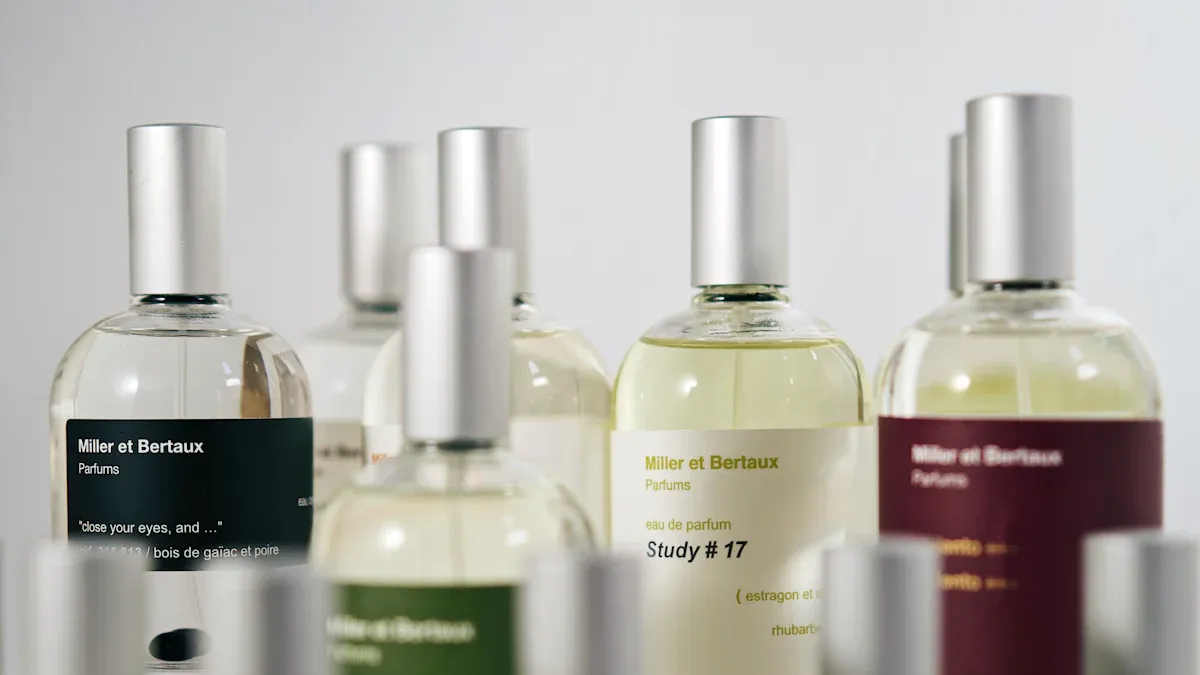
Perfume strengths tell you how much fragrance oil is in your scent. When you pick a perfume, the strength decides how bold or light the smell will be. You might notice that stronger perfumes last longer and feel richer. If you want to understand why some scents fade fast and others stay all day, Perfume Strengths Explained will help you make sense of it.
Tip: Knowing the strength makes it easier to find a scent that matches your style and needs.
Key Takeaways
Understand perfume strength by looking at the percentage of fragrance oil. Higher percentages mean stronger, longer-lasting scents.
Choose the right perfume type for your needs. For all-day wear, opt for Extrait or Eau de Parfum. For lighter occasions, consider Eau de Toilette or Eau de Cologne.
Apply perfume to pulse points like wrists and neck for better projection. Moisturizing your skin before application helps the scent last longer.
Test fragrances on your skin before buying. Skin chemistry affects how a scent develops, so always try it out first.
Avoid common mistakes like choosing a scent based only on the first impression. Perfumes change over time, so give them a chance to develop.
Perfume Strengths Explained
What Is Perfume Strength?
You might wonder what people mean when they talk about perfume strength. In simple terms, perfume strength is the amount of fragrance oil in your perfume. Scientists and perfumers measure this as a percentage. The higher the percentage of oils, the stronger and longer-lasting your scent will be. When you see a bottle labeled “Eau de Parfum” or “Eau de Toilette,” that label tells you how much fragrance oil is inside.
Perfume Strengths Explained starts with understanding these concentrations. For example, a perfume with 20% fragrance oil smells richer and stays on your skin much longer than one with only 5%. The concentration affects how bold the scent feels and how long it lasts throughout your day.
Note: Perfume oil concentration is the percentage of essential oils in a fragrance. This number directly influences how strong, long-lasting, and noticeable your perfume will be.
You will find several main categories when you shop for fragrances. Each type has its own oil concentration and lasting power. Here are the most common ones:
Perfume Type | Strength | How long lasts |
|---|---|---|
Perfume or Parfum | 20-30% | 12+ hours |
Eau de Parfum | 10-20% | 8+ hours |
Eau de Toilette | 5-15% | 4-7 hours |
Eau de Cologne | 2-4% | 2-3 hours |
Eau Fraiche | 1-3% | 2 hours |
Perfume Oil | 10-20% | 8 hours |
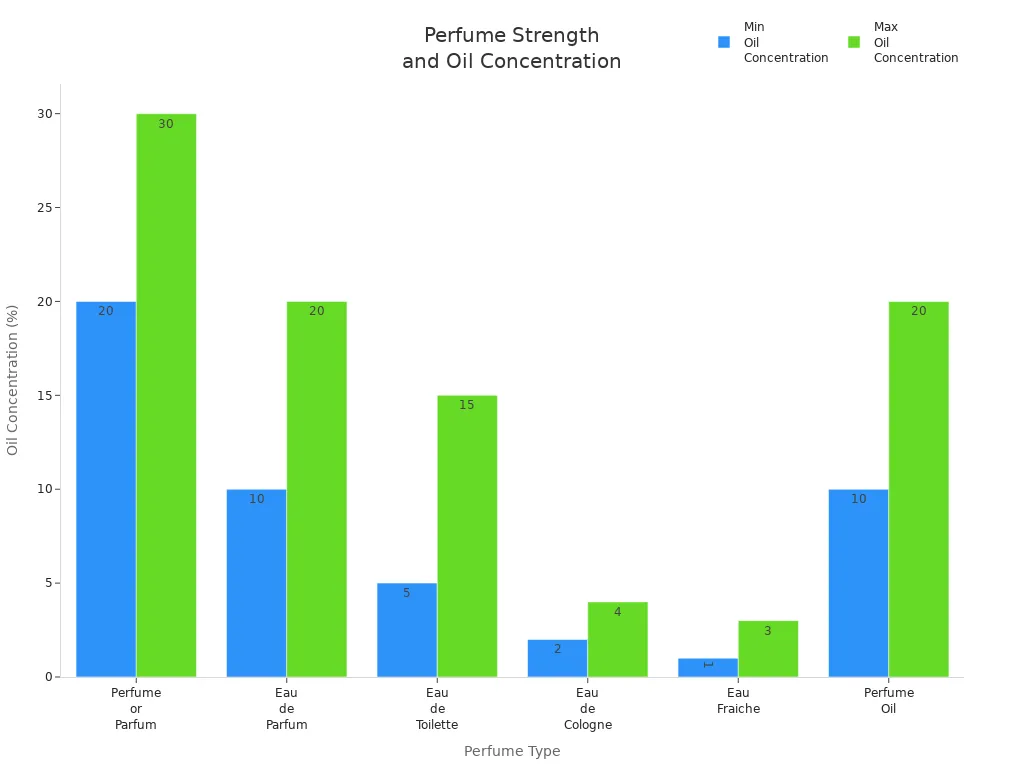
When you look at this chart, you can see how the strength changes from one type to another. Perfume Strengths Explained helps you compare these options so you can pick the right one for your needs.
Why Strength Matters
You might ask, “Why does perfume strength matter?” The answer is simple. The strength decides how long your scent will last and how powerful it smells. If you want a fragrance that stays with you all day, you should look for a higher concentration. If you prefer something light and fresh, a lower concentration works best.
Here are some important points about perfume strength and longevity:
Higher concentration usually means a longer-lasting scent.
Quality and ingredients also play a big role. Sometimes, a lighter perfume can last longer if the perfumer uses special ingredients.
Eau de Parfum (EDP) often lasts around six hours. Eau de Toilette (EDT) lasts up to four hours. Eau de Cologne (EDC) is the lightest and lasts two to three hours.
Tip: Perfume Strengths Explained is not just about numbers. You should think about how the scent fits your style, your day, and your mood.
When you understand perfume strength, you can make smarter choices. You will know which type works best for school, work, or a night out. You can also avoid buying a scent that fades too quickly or feels too strong.
Perfume Strengths Explained gives you the tools to find a fragrance that matches your life. Whether you want something bold or subtle, knowing about strength helps you get the most out of every spray.
Types of Perfume Strengths
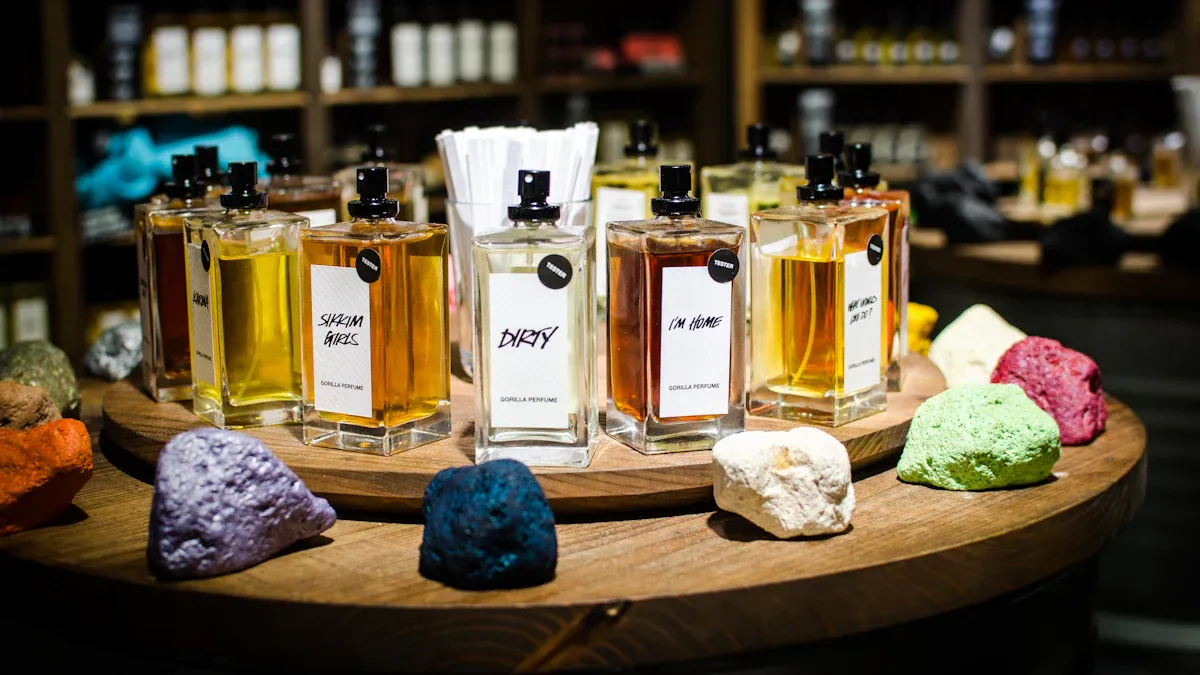
When you shop for fragrances, you’ll see different labels and names. Each one stands for a unique perfume strength. Let’s break down what each type means and how it affects your scent experience.
Extrait / Extract
Extrait de Parfum, sometimes called Extract, packs the most punch. You get a high concentration of fragrance oils, which means the scent is strong and lasts a long time.
Extrait de Parfum usually contains 20% to 40% fragrance oil.
The average concentration sits around 30%.
This type lasts anywhere from 12 to 24 hours on your skin.
If you want a perfume that stays with you all day and night, Extrait is the top choice.
Perfume / Parfum
Perfume, also known as Parfum, is a classic option. It’s rich and intense, but not quite as strong as Extrait.
Type of Fragrance | Oil Concentration Percentage |
|---|---|
True Perfume | 20% – 30% |
Parfum (Eau de Parfum) | 15% – 20% |
You’ll notice Parfum feels luxurious and deep. It’s perfect for special occasions when you want your scent to stand out.
Eau de Parfum
Eau de Parfum (EDP) gives you a nice balance between strength and wearability. You get a noticeable scent that isn’t too overpowering.
EDP contains 15% to 20% perfume oil.
It lasts about 6 to 8 hours.
The scent profile is rich, deep, and complex.
Many people choose Eau de Parfum for everyday use or evening events.
Eau de Toilette
Eau de Toilette (EDT) offers a lighter touch. You get a fresh scent that’s easy to wear.
EDT has an oil concentration of 5% to 15%.
It lasts around 4 to 6 hours.
The fragrance pyramid helps you understand how EDT develops. You’ll smell top notes first-these are light and fade quickly. Middle notes come next, adding character. Base notes linger the longest, giving depth to the scent.
Tip: The fragrance pyramid shows how scents change over time. Top notes greet you, middle notes build the heart, and base notes finish the experience.
Eau de Cologne
Eau de Cologne is the lightest option. You get a quick burst of freshness, but it doesn’t stick around for long.
Oil concentration sits between 2% and 5%.
The scent lasts about 2 to 3 hours.
You may need to reapply throughout the day.
Eau de Cologne works well when you want something subtle or need a quick refresh.
Perfume Strengths Explained helps you see how each type fits different needs. You can pick a strength that matches your style and how long you want your scent to last.
Perfume Strength Comparison
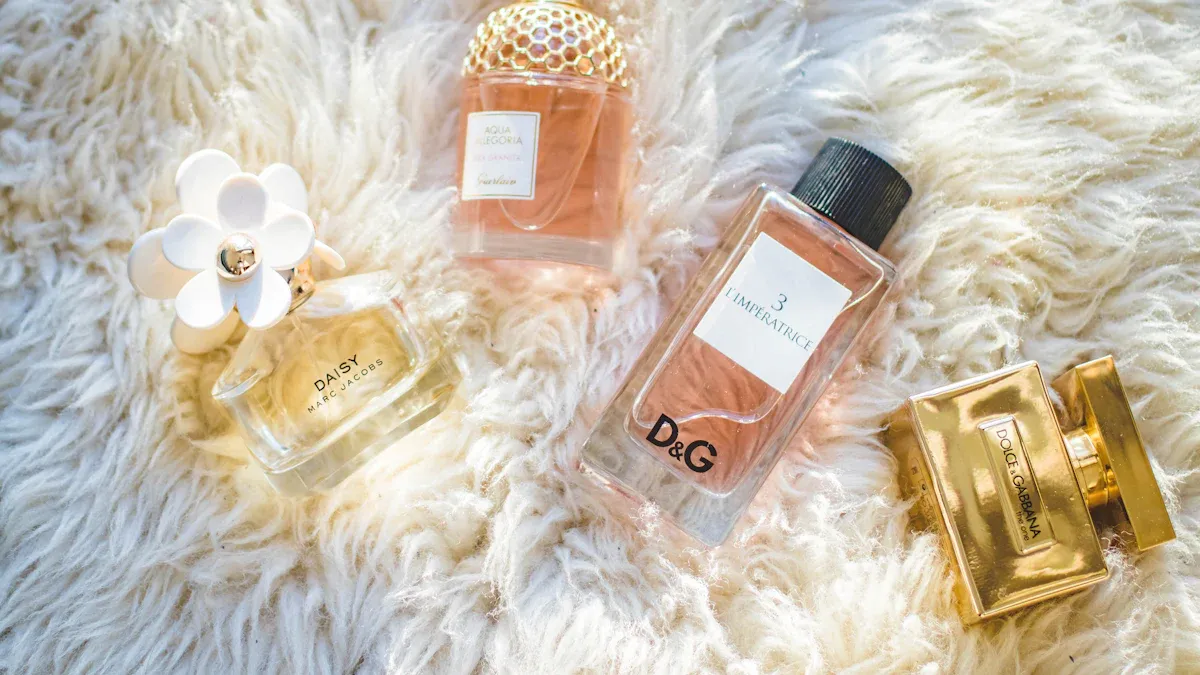
Oil Concentration
When you look at perfume bottles, you might wonder what makes each type different. The answer is oil concentration. This tells you how much fragrance oil is inside. Here’s a quick table to help you compare:
Fragrance Type | Oil Concentration (%) | Description |
|---|---|---|
Extrait de Parfum | 20% and above | Very intense and long-lasting |
Eau de Parfum | 14% – 17% | Strong, but less intense than Extrait |
Eau de Toilette | Up to 10% | Softer, focuses on top notes |
Eau de Cologne | Up to 5% | Fresh, light, mostly citrus scents |
You can use this table to see what each type offers. Perfume Strengths Explained shows that higher oil concentration means a stronger scent.
Longevity
Longevity tells you how long your scent will last. You want your fragrance to stay with you, so it helps to know what to expect. Here’s another table for easy comparison:
Perfume Category | Concentration (%) | Longevity (Hours) |
|---|---|---|
Parfum (Extrait de Parfum) | 20% – 40% | Up to 24 |
Eau de Parfum (EDP) | 15% – 20% | 6 – 8 |
Eau de Toilette (EDT) | 5% – 15% | 4 – 6 |
Eau de Cologne (EDC) | 2% – 4% | 2 – 3 |
If you want a scent that lasts all day, pick Parfum or Extrait. For a quick refresh, Eau de Cologne works best.
Best Use Cases
Each perfume strength fits a different situation. You can match your fragrance to your day or mood. Here’s what works best:
Extrait de Parfum: Great for special events or nights out. You want your scent to last and stand out.
Eau de Parfum: Perfect for daily wear or evening plans. You get a strong scent without being too bold.
Eau de Toilette: Good for work, school, or casual outings. You get a light, fresh feel.
Eau de Cologne: Best for quick refreshes or hot days. You want something subtle and easy.
Tip: The fragrance wheel helps you find scents you like. It organizes perfumes by families, so you can explore new types and see which strengths fit your style.
Perfume Strengths Explained makes it easy to compare options. You can use tables, lists, and the fragrance wheel to pick the right perfume for any occasion.
Choosing Perfume Strength
Factors to Consider
When you pick a perfume strength, you want to think about your lifestyle, the occasion, and even your skin type. These factors help you find a scent that fits you best.
Factor | Description |
|---|---|
Occasion | Stronger scents like parfum or eau de parfum work well for special events. Lighter options such as eau de toilette suit everyday wear. |
Season | Lighter, fresher scents feel great in summer and spring. Richer, warmer fragrances shine in fall and winter. |
Personal Preference | Some people love bold, long-lasting scents. Others prefer something soft and delicate. |
Skin Chemistry | Perfumes can smell different on each person. Always test a fragrance on your skin before you buy. |
Your skin type also plays a big role:
Oily skin holds fragrance longer and makes scents more intense.
Dry skin causes perfume to fade faster, so you may need to reapply or choose a stronger scent.
Normal skin gives a true scent, but things like pH and diet can still affect how perfume smells.
Scent Testing Tips
Testing perfume can feel tricky, but you can make it simple. Here’s what works best:
Avoid wearing other scents when you test new perfumes.
Limit yourself to three fragrances at a time. This keeps your nose fresh.
Use coffee beans or your own skin to reset your sense of smell.
Start with paper strips for a first impression. For a real test, spray on your wrist or forearm.
Let the scent settle for at least 30 seconds before you sniff again.
Give the fragrance time to develop on your skin. Scents change as they dry down.
Tip: Never rub your wrists together after spraying. This can change how the perfume smells.
Common Mistakes
Many people make simple mistakes when choosing perfume strength. Here are a few to watch out for:
Picking a scent based only on the first sniff. Perfume changes over time.
Ignoring your skin type. Oily skin holds scent longer, while dry skin needs stronger or more frequent sprays.
Choosing a strong perfume for daytime or work. Lighter scents like eau de toilette work better for daily use.
Forgetting to match the scent to the occasion. Save intense perfumes for evenings or special events.
If you keep these tips in mind, you’ll find a perfume strength that fits your life and style.
Scent Tips
Application
You want your perfume to smell great and last long. The way you apply it makes a big difference. Start by choosing the right spots. Pulse points like your wrists, neck, and behind your ears work best because they give off heat and help the scent project. If you use parfum or extrait, just dab a little on these areas. Eau de parfum works well with a few sprays on your skin and a light mist on your clothes. For lighter scents like eau de toilette or cologne, you can spray more and reapply during the day.
Fragrance Type | Application Tips |
|---|---|
Parfum (Extrait) | Dab 1–2 times on pulse points for all-day wear |
Eau de Parfum (EDP) | Spray on pulse points and lightly on clothing |
Eau de Toilette (EDT) | Layer or reapply on warm skin zones |
Eau de Cologne (EDC) | Spray generously on skin and clothing, reapply often |
Tip: Moisturize your skin before applying perfume. Lotion or petroleum jelly helps lock in the scent.
Layering
Layering lets you create a scent that is unique to you. You can start with a single note fragrance as your base. Add a more complex perfume to highlight your favorite scent notes. Try mixing complementary scents to add depth and dimension. You can also use matching body lotions or gels to build a foundation and extend the life of your fragrance.
Layer single note fragrances with blends to make your scent stand out.
Combine contrasting scents for bold results.
Use scented body products to boost longevity and complexity.
Note: Layering works best when you experiment. Test different combinations until you find one you love.
Making Scent Last
You want your fragrance to stay with you all day. Choose a perfume with a higher concentration, like eau de parfum or parfum, for better staying power. Always apply perfume to pulse points. Hydrate your skin before spraying, since moisturized skin holds scent longer. Spray from a distance for even coverage. Store your perfume in a cool, dark place to keep it fresh. Avoid rubbing your wrists together after applying, since this can break down the scent.
Apply perfume to warm areas for maximum projection.
Layer with matching scented products for extra longevity.
Keep your skin hydrated to help the fragrance stick.
Remember, high temperatures and low humidity can make your scent fade faster.
Tip: If you want your scent to last, reapply lighter fragrances throughout the day and keep your bottle handy.
Understanding perfume strengths helps you pick a scent that matches your style and lasts as long as you want.
Your choice reflects your personality, tradition, and even trends.
Many people prefer Eau de Parfum for its lasting power and rich scent, with this type expected to lead the market in 2025.
You can select fragrances for any occasion-formal events call for elegant notes, while interviews work best with subtle scents.
Apply perfume to your pulse points and moisturize your skin first. This simple trick makes your fragrance last longer and smell vibrant all day.
FAQ
What does “Eau de Parfum” mean?
You see “Eau de Parfum” on many bottles. It means the perfume has a medium to high concentration of fragrance oils. You get a scent that lasts longer than lighter types like Eau de Toilette.
What makes perfume last longer on your skin?
Moisturize your skin before you spray perfume. Choose scents with higher oil concentration, like Parfum or Eau de Parfum. Apply to pulse points, such as your wrists and neck, for better results.
What’s the difference between Eau de Toilette and Eau de Cologne?
Eau de Toilette has more fragrance oil than Eau de Cologne. You get a scent that lasts longer and smells stronger. Eau de Cologne feels lighter and fades faster, so you may need to reapply.
What should you do if your perfume fades quickly?
Try using a stronger perfume type, like Eau de Parfum. Apply to moisturized skin and pulse points. Carry a travel-size bottle for touch-ups during the day. Store your perfume in a cool, dark place.
What is the best perfume strength for everyday use?
Eau de Toilette works well for daily wear. You get a fresh scent that isn’t too strong. If you want something that lasts longer, pick Eau de Parfum for a richer experience.