


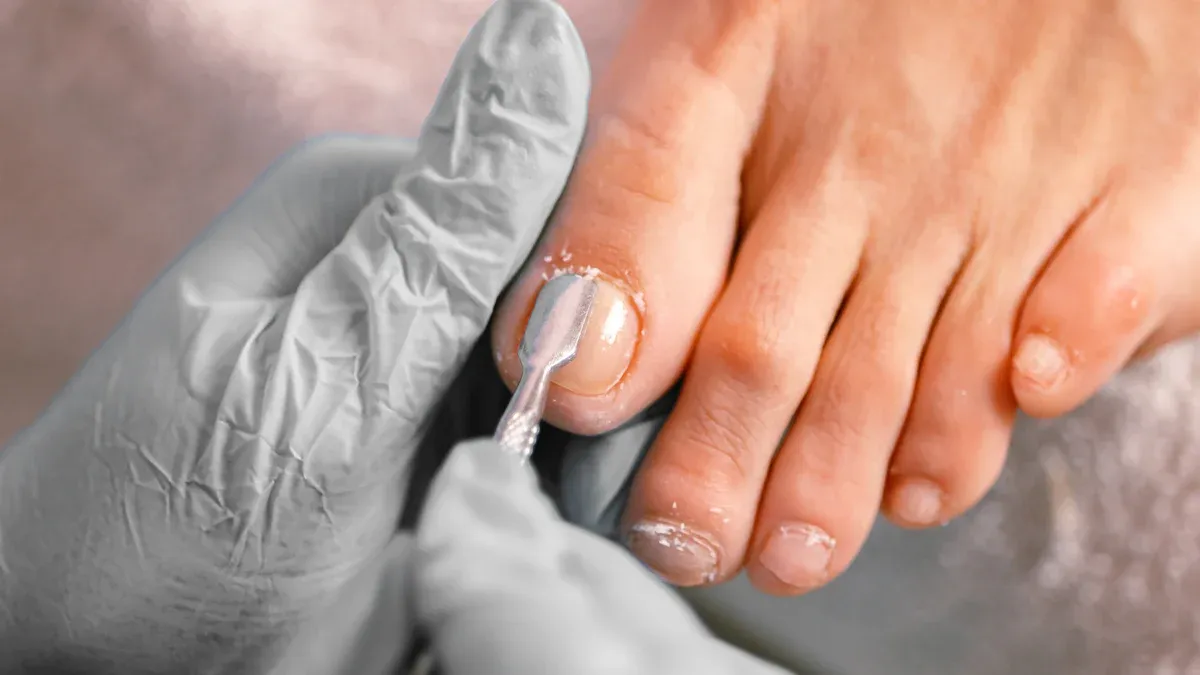
Yes, nail and foot fungus can live in socks. Your socks often trap moisture and warmth, creating a perfect space for fungi to grow.
Dermatophytes and other fungi use sweat and skin cells found in socks as nutrients.
Socks worn for many hours collect more bacteria and fungus than other clothes.
Even after washing, socks can still hold fungal spores, which may cause reinfection.
Around one in four people worldwide have a fungal foot infection. Good sock hygiene helps lower your risk. You can take simple steps to keep your feet healthy.
Key Takeaways
Nail and foot fungus thrive in warm, moist environments like socks. Change your socks daily to reduce the risk of infection.
Wash socks in hot water (at least 60°C) to kill fungal spores. Consider adding vinegar or bleach for extra protection.
Keep your feet clean and dry, especially between the toes. Use antifungal powder in damp shoes to prevent fungus growth.
Avoid sharing socks, shoes, or towels to prevent spreading fungal infections to others.
If you notice symptoms like itching or discoloration, change your socks more often and consult a doctor if symptoms persist.
Nail and Foot Fungus in Socks

How Fungus Gets in Socks
Nail and foot fungus can move from your skin or nails into your socks in several ways. When you have an infection, tiny skin flakes or nail particles fall off your feet. These small pieces often carry fungal spores. As you put on socks, the fabric picks up these spores and holds them close to your skin.
You can also get fungus in your socks through direct contact. If your feet touch a surface with fungus, like a locker room floor, the spores can stick to your skin. When you wear socks, the spores transfer from your feet to the fabric. Sometimes, fungus spreads through indirect contact. Items like socks, towels, or even carpets can act as carriers, known as fomites.
Here is a table that shows how fungus can transfer:
Evidence Type | Description |
|---|---|
Direct Contact | Dermatophytes can spread through direct contact from infected feet or nails. |
Fomites | Fungi can transfer indirectly via socks, towels, or other shared items. |
Tip: Always change your socks after exercise or if your feet get sweaty. This helps reduce the risk of spreading nail and foot fungus.
You should also know that even after washing, socks may still hold some fungal spores. This means that wearing the same socks again can put you at risk for reinfection.
Why Socks Are High Risk
Socks create a warm, dark, and moist environment. This is exactly what nail and foot fungus needs to grow. When you wear shoes and socks, your feet sweat. The sweat gets trapped in the fabric, raising the humidity around your feet. Fungus grows faster in these conditions.
Let’s look at how humidity affects fungal growth:
Humidity Level | Invasion Rate of Dermatophytes |
|---|---|
90% – 100% | Increased infiltration |
80% | Slower infiltration |
85% or less | No infiltration |
70% (with skin injury) | Possible infiltration |
When you wear socks for long periods, especially in closed shoes, the humidity inside can reach 96–100%. This high moisture level helps fungus survive and multiply. Your socks can also collect sweat, skin cells, and dirt, which provide food for the fungus.
Feet naturally have many types of bacteria and fungi.
Socks can hold both harmless and harmful germs.
The warm, moist space inside socks and shoes is perfect for nail and foot fungus to thrive.
Research shows that contaminated socks can play a big role in spreading and causing reinfection of nail and foot fungus. Even after washing, some spores may survive. This is especially risky if you live with others or share laundry. Wearing dirty or damp socks increases your chances of getting an infection or passing it to someone else.
Note: If you have nail and foot fungus, always wash your socks in hot water and avoid sharing them with others.
Signs and Symptoms
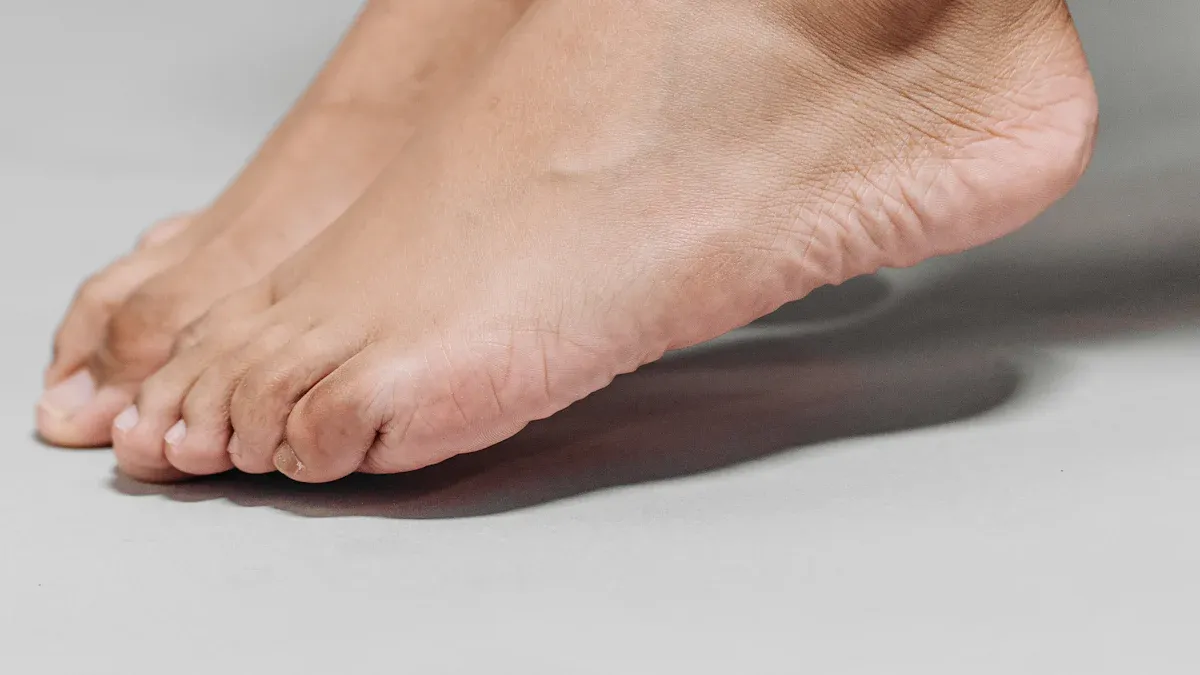
What to Watch For
You may notice several changes in your feet or nails if you have nail and foot fungus. These symptoms often appear slowly, so you need to pay close attention to your feet. Look for the following signs:
Changes in nail color, such as yellowish, white, or brownish shades
Nails that become thick, brittle, or misshapen
Persistent dryness and peeling skin, especially between your toes
Itching and burning sensations on your feet
These symptoms can start mild but may get worse over time. You might see only one or two signs at first. If you spot any of these changes, check your socks and shoes for dampness or dirt. Fungi thrive in moist environments, so wet socks can make symptoms worse.
Tip: If you notice your nails changing color or your skin peeling, change your socks more often and keep your feet dry.
When Socks May Be the Cause
Socks can play a big role in the development of nail and foot fungus. You may wonder how to tell if your socks are causing problems. Here are some clues:
Your symptoms get worse after wearing the same socks for long periods.
You feel more itching or burning when your socks are damp or sweaty.
You notice a musty smell coming from your socks or shoes.
You experience repeated infections, even after treatment.
If you see these patterns, your socks may be helping the fungus grow. Dirty or damp socks can hold fungal spores and spread them to your skin and nails. You should wash your socks in hot water and let them dry completely before wearing them again.
Symptom Pattern | Possible Sock Link |
|---|---|
Itching after exercise | Damp socks hold moisture |
Recurring infections | Spores survive in fabric |
Musty odor | Fungi produce smells |
Note: Clean, dry socks help prevent nail and foot fungus from coming back. Change your socks daily and avoid sharing them with others.
Risks and Complications
Spreading to Others
Nail and foot fungus can spread easily from one person to another, especially in shared living spaces. When you wear socks that contain fungal spores, you risk passing the infection to others in your household. Fungi survive in damp clothing, including socks and shoes. Sharing these items increases the chance of spreading fungal infections.
Fungal spores can move through direct contact and communal surfaces.
Warm, moist places like public showers and swimming pools are high-risk areas.
Sharing shoes, socks, or bed linens can increase the risk of transmission.
Avoid sharing towels and nail trimmers unless you sanitize them first.
Change towels often and wash them after each use to prevent fungal growth.
Ignoring toenail fungus can lead to complications such as the spreading of the fungus and worsening discomfort, along with a higher risk of developing an infection.
You may also notice that fungal infections can cause breaks in the skin. These breaks give bacteria a way to enter your body. Conditions like cellulitis or ulcerative infections can develop, leading to painful sores that may become infected.
Reinfection
Reinfection is a common problem when dealing with nail and foot fungus. If you wear unwashed or poorly cleaned socks, you can get infected again even after treatment. A study found that washing socks at 40°C left 36% of socks with fungal pathogens, while washing at 60°C reduced this to only 6%. This shows that inadequate cleaning allows fungi to survive and cause reinfection.
The fungus can spread to other areas of your body.
Discomfort may worsen over time.
You face a higher risk of developing a more serious infection.
Impact | Description |
|---|---|
Emotional Distress | You may feel upset due to symptoms and how your feet look. |
Social Embarrassment | Visible symptoms or odors can make you avoid social activities. |
Decreased Self-Esteem | Changes in nail appearance can lower your confidence. |
Athlete’s foot and nail fungus do not just affect your health. Many people feel embarrassed or self-conscious about visible symptoms or unpleasant odors. These feelings can make you avoid social events or exercise. Addressing both the physical and emotional effects is important for your well-being.
Prevention and Treatment
Keeping Socks Clean
Clean socks play a key role in stopping nail and foot fungus. You should wash all socks in hot water, at least 60°C (140°F), to kill fungal spores. Adding a cup of white vinegar or a small amount of bleach to the wash boosts antifungal power. Baking soda also helps remove odors and fungi. Always dry socks completely before wearing them. Damp socks can let fungus grow again. Choose moisture-wicking socks made from cotton or wool blends. These materials keep your feet dry and lower the risk of infection.
Tip: Change socks every day. If your feet sweat a lot or you exercise, switch to fresh socks more often.
Method | Effectiveness |
|---|---|
Hot water wash (60°C) | Kills most fungal spores |
Vinegar/Bleach | Adds antifungal protection |
Complete drying | Prevents fungal growth |
Foot Hygiene Tips
Good foot hygiene helps you avoid nail and foot fungus. Wash your feet daily and dry them well, especially between your toes. Use antifungal powder or spray in your shoes if you spend time in damp places. UV shoe sanitizers can reduce fungus in shoes better than sprays. Rotate your shoes and let them dry out between uses. Store shoes in a dry, ventilated area. Replace old shoes after an infection to prevent reinfection.
Wear breathable socks and shoes.
Avoid sharing socks, shoes, or towels.
Keep feet clean and dry in public areas.
When to See a Doctor
Most fungal infections stay mild, but some signs mean you should get medical help. Watch for muscle pain, fever, or intense headache. If you have a weakened immune system, you face a higher risk of serious illness. Seek help if over-the-counter creams do not work or if your nails become thick, discolored, or painful. Doctors may prescribe stronger medicines like oral antifungal pills or medicated nail lacquer.
Note: Early treatment helps prevent complications and stops the fungus from spreading.
Nail and foot fungus can live in socks, but you can prevent it with smart habits. You keep your feet healthy by washing and drying them every day, trimming your nails, and wearing clean, breathable socks. You protect yourself by avoiding walking barefoot in public places and using flip-flops in communal showers. You lower your risk when you change socks daily and use separate nail clippers for infected nails. Most cases stay manageable with these steps. If symptoms persist, you can always seek help from a doctor.
FAQ
What makes socks a good place for fungus to grow?
Socks trap sweat and warmth. Fungi like moist, dark, and warm places. You give fungus a home when you wear damp socks for long periods.
What should you do with socks after a fungal infection?
Wash your socks in hot water. Dry them completely before wearing. You can add vinegar or bleach to the wash for extra protection.
What types of socks help prevent fungus?
Choose socks made from cotton or wool blends. These materials pull moisture away from your skin. Moisture-wicking socks keep your feet dry and lower your risk.
What signs show your socks may have fungus?
You may notice a musty smell, stains, or itching after wearing them. If you get repeated infections, your socks might hold fungal spores.
What can you do to stop fungus from spreading through socks?
Change your socks every day. Never share socks with others. Wash socks in hot water and let them dry fully. This stops fungus from spreading to your feet or others.