


Here are seven top-tier laptops for 2026 that deliver excellent speed, battery life, and build quality.
The list includes the MacBook Pro 14.2 with M4 Pro for creators, gaming rigs like the ASUS ROG Strix G16 and Alienware Area‑51 with RTX 5080 options, the value-focused Acer Nitro V, the long-lasting Surface Laptop 15 with Snapdragon X Elite, and roomy business laptops with 32 GB RAM and Thunderbolt.
Each pick highlights performance, display, cooling, and ports so you can choose based on real-world needs.
Expect clear, practical details to guide your decision.
| Apple MacBook Pro 14.2″ (M4 Pro 24GB 512GB) |

| Best for Creators | Processor: Apple M4 Pro (12‑core CPU) | Graphics: Integrated Apple GPU (M4 Pro 16‑core GPU) - Apple silicon | Memory (RAM): 24 GB unified memory | VIEW LATEST PRICE | Read Our Analysis |
| Acer Nitro V 15.6″ Gaming Laptop (i7 RTX 4050) |
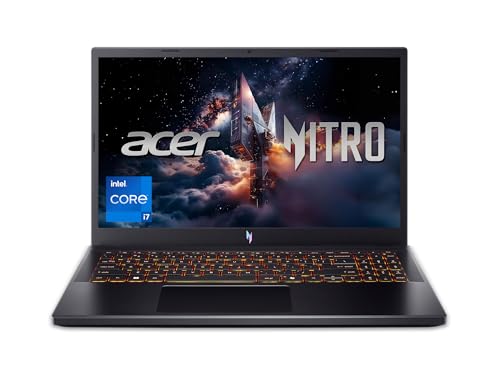
| Best Value Gamer | Processor: Intel Core i7‑13620H (13th Gen) | Graphics: NVIDIA GeForce RTX 4050 (laptop) | Memory (RAM): 16 GB DDR5 (upgradable to 32 GB) | VIEW LATEST PRICE | Read Our Analysis |
| ASUS ROG Strix G16 (2025) Gaming Laptop 16 |

| Best High-Refresh Powerhouse | Processor: Intel Core Ultra 9 275HX | Graphics: NVIDIA GeForce RTX 5080 (laptop) | Memory (RAM): 32 GB DDR5‑5600 | VIEW LATEST PRICE | Read Our Analysis |
| Alienware Area-51 18″ Gaming Laptop RTX 5080 |

| Ultimate Performance Beast | Processor: Intel Core Ultra 9 275HX | Graphics: NVIDIA GeForce RTX 5080 (Max‑Q) | Memory (RAM): 32 GB DDR5 (2 × 16 GB) | VIEW LATEST PRICE | Read Our Analysis |
| Alienware Aurora 16 Gaming Laptop (Intel 7-240H) |

| Balanced Gaming Workhorse | Processor: Intel Core 7‑240H | Graphics: NVIDIA GeForce RTX 5050 (laptop) | Memory (RAM): 16 GB DDR5 | VIEW LATEST PRICE | Read Our Analysis |
| Microsoft Surface Laptop 15″ (2024) - Snapdragon X Elite |

| Best AI Productivity | Processor: Qualcomm Snapdragon X Elite (12‑core) | Graphics: Integrated NPU/Qualcomm graphics (Snapdragon X Elite) | Memory (RAM): 32 GB RAM | VIEW LATEST PRICE | Read Our Analysis |
| Dell 15.6″ Touchscreen Business Laptop i7 32GB |

| Best for Professionals | Processor: Intel Core i7‑1355U (13th Gen) | Graphics: Integrated Intel UHD Graphics | Memory (RAM): 32 GB DDR4 (3200 MHz, expandable to 64 GB) | VIEW LATEST PRICE | Read Our Analysis |
More Details on Our Top Picks
Apple MacBook Pro 14.2″ (M4 Pro 24GB 512GB)
If you prefer a compact pro laptop that’s built for heavy work and long hours, the 14.2-inch MacBook Pro with the M4 Pro is a great fit. You get a bright Liquid Retina XDR display that reaches up to 1600 nits, so visuals stay crisp even in bright rooms. The M4 Pro’s 12-core CPU and 16-core GPU let you compile large projects and run creative apps smoothly. With 24GB memory and 512GB SSD, you’ll switch apps fast and store essentials. Battery life holds up through long days, and privacy features keep your data safe and private.
- Processor:Apple M4 Pro (12‑core CPU)
- Graphics:Integrated Apple GPU (M4 Pro 16‑core GPU) - Apple silicon
- Memory (RAM):24 GB unified memory
- Storage:512 GB SSD
- Display Size / Type:14.2″ Liquid Retina XDR (14.2″)
- Operating System:macOS (Apple platform with Apple Intelligence)
- Additional Feature:Liquid Retina XDR display
- Additional Feature:Apple Intelligence integration
- Additional Feature:Space Black finish
Acer Nitro V 15.6″ Gaming Laptop (i7 RTX 4050)
Assuming you’re after a powerful yet affordable gaming laptop that also handles schoolwork and light content creation, the Acer Nitro V 15.6″ with an Intel Core i7 and RTX 4050 is a smart pick that balances speed and value. You get a 13th Gen i7-13620H with up to 4.9 GHz, RTX 4050 with DLSS 3.5, 16 GB DDR5 and a 1 TB PCIe Gen 4 SSD. The 15.6″ FHD IPS panel runs at 165 Hz and 300 nits for smooth visuals. Ports include Thunderbolt 4, HDMI and Gigabit Ethernet. It weighs 4.7 pounds and runs Windows 11 Home.
- Processor:Intel Core i7‑13620H (13th Gen)
- Graphics:NVIDIA GeForce RTX 4050 (laptop)
- Memory (RAM):16 GB DDR5 (upgradable to 32 GB)
- Storage:1 TB PCIe Gen4 SSD
- Display Size / Type:15.6″ Full HD IPS (15.6″)
- Operating System:Windows 11 Home
- Additional Feature:165 Hz IPS panel
- Additional Feature:Thunderbolt 4 port
- Additional Feature:135W high-wattage adapter
ASUS ROG Strix G16 (2025) Gaming Laptop 16
If you prefer a gaming laptop that balances blistering performance with quiet, long sessions, the ASUS ROG Strix G16 (2025) is built for you and your goals. You get an Intel Core Ultra 9 275HX and NVIDIA GeForce RTX 5080 Laptop GPU with DLSS 4 and Max-Q tech, so games run smooth and look sharp. The 16” ROG Nebula display gives you 2.5K clarity at 240 Hz and 3 ms response for crisp motion. Cooling blends vapor chamber, tri-fan design, and liquid metal to keep noise low and performance steady. You’ll enjoy 32GB DDR5 and a 1TB PCIe Gen4 SSD.
- Processor:Intel Core Ultra 9 275HX
- Graphics:NVIDIA GeForce RTX 5080 (laptop)
- Memory (RAM):32 GB DDR5‑5600
- Storage:1 TB PCIe Gen4 SSD
- Display Size / Type:16″ ROG Nebula 16, 2.5K (16″)
- Operating System:Windows 11 Home
- Additional Feature:240 Hz 2.5K display
- Additional Feature:End-to-end vapor chamber
- Additional Feature:Full-surround RGB lightbar
Alienware Area-51 18″ Gaming Laptop RTX 5080
If you happen to want a laptop built for serious gaming and heavy creative work, the Alienware Area-51 18″ with an RTX 5080 is a top pick that gives you room to push limits. You get extreme power from the Area-51 design and the Intel Core Ultra 9 275HX, which balances CPU, GPU, and NPU tasks so your apps run smoothly. The RTX 5080 with Max-Q delivers high fidelity while helping battery life. An 18″ WQXGA 300 Hz display keeps visuals fluid. Cooling lifts airflow via a Cryo-Chamber and clear Gorilla Glass, while AlienFX lighting adds style. Dell covers you with one year onsite service.
- Processor:Intel Core Ultra 9 275HX
- Graphics:NVIDIA GeForce RTX 5080 (Max‑Q)
- Memory (RAM):32 GB DDR5 (2 × 16 GB)
- Storage:2 TB SSD
- Display Size / Type:18.0″ WQXGA (18.0″)
- Operating System:Windows 11 Home
- Additional Feature:18″ WQXGA 300Hz panel
- Additional Feature:Cryo-Chamber cooling
- Additional Feature:1 Year Onsite Service
Alienware Aurora 16 Gaming Laptop (Intel 7-240H)
If you’d like a high-performance gaming laptop that handles big AAA titles and creative work with ease, the Alienware Aurora 16 is built for you. You get a 16″ WQXGA display at 120 Hz and 300 nits, so visuals stay sharp and smooth. Inside, the Intel Core 7-240H, 16 GB DDR5, and 1 TB SSD power fast load times and multitasking. The NVIDIA GeForce RTX 5050 with 8 GB VRAM enhances frame rates and creative apps. Its Cryo-Chamber cooling and streamlined chassis keep temperatures steady during long sessions. Dell includes one year onsite service for added peace of mind.
- Processor:Intel Core 7‑240H
- Graphics:NVIDIA GeForce RTX 5050 (laptop)
- Memory (RAM):16 GB DDR5
- Storage:1 TB SSD
- Display Size / Type:16″ WQXGA (16″)
- Operating System:Windows 11 Home
- Additional Feature:16″ WQXGA 120Hz display
- Additional Feature:Cryo-Chamber airflow design
- Additional Feature:Streamlined thermal chassis
Microsoft Surface Laptop 15″ (2024) - Snapdragon X Elite
If you wish a sleek, powerful laptop that makes creative work and long days on the road feel effortless, the Microsoft Surface Laptop 15″ (2024) with Snapdragon X Elite is a strong pick. You’ll like its thin aluminum body in Black and the bright 15″ touchscreen that stretches your workspace for art and video. Inside, a 12-core Snapdragon X Elite, 32 GB RAM, and 1 TB SSD keep apps responsive while an NPU speeds up smart features. Copilot+ tools help you recall files, cocreate images, translate live calls, and improve video chats. Battery life can last up to 20 hours, so you’ll stay productive.
- Processor:Qualcomm Snapdragon X Elite (12‑core)
- Graphics:Integrated NPU/Qualcomm graphics (Snapdragon X Elite)
- Memory (RAM):32 GB RAM
- Storage:1 TB SSD
- Display Size / Type:15″ touchscreen (15″)
- Operating System:Windows 11 Copilot+ PC
- Additional Feature:Copilot+ PC features
- Additional Feature:15″ touchscreen display
- Additional Feature:Up to 20-hour battery
Dell 15.6″ Touchscreen Business Laptop i7 32GB
In case you need a reliable workhorse for heavy multitasking and creative projects, the Dell 15.6″ Touchscreen Business Laptop with an i7 and 32 GB of RAM is built to handle it with ease. You’ll get a 13th Gen i7-1355U with up to 5.0 GHz Turbo, 32 GB DDR4, and a 1 TB NVMe SSD so apps open fast and switching is smooth. The 15.6″ FHD touchscreen is anti-glare and responsive, and the FHD webcam with privacy shutter helps you feel secure on calls. Battery lasts about eight hours, and ExpressCharge restores power quickly. Windows 11 Pro adds business features and security.
- Processor:Intel Core i7‑1355U (13th Gen)
- Graphics:Integrated Intel UHD Graphics
- Memory (RAM):32 GB DDR4 (3200 MHz, expandable to 64 GB)
- Storage:1 TB PCIe NVMe M.2 SSD
- Display Size / Type:15.6″ Full HD IPS touchscreen (15.6″)
- Operating System:Windows 11 Pro
- Additional Feature:1080p FHD touchscreen
- Additional Feature:FHD 1080p webcam
- Additional Feature:ExpressCharge fast charging
Factors to Consider When Choosing a High End Laptop
When you’re choosing a high end laptop for 2026, I want you to consider about the core areas that will shape your experience: processor speed and overall performance, graphics power for anything visual, memory and fast storage, screen quality and size, and how long the battery lasts plus charging options. I’ll walk you through how those parts interact and what trade offs you could face so you can pick the best fit for work or play. Along the way I’ll point out real priorities and simple checks you can use so you feel confident making the right choice.
Performance And CPU
Pick a CPU that can keep up with your work and still feel snappy during casual tasks. I recommend choosing chips with eight or more cores and turbo clocks above about 4.5 GHz so heavy multitasking and single threaded tasks both run well. Larger cache and higher instructions per cycle speed up compiles, renders, and real time encoding. Also watch thermal design power and sustained wattage; mobile high end CPUs that hold 45W or more avoid slowdowns under long loads. In case you use AI inference or advanced media tools, pick a CPU with on chip neural and hardware accelerators to offload work. Finally, match core count and memory bandwidth to your workload so the laptop feels fast day to day.
GPU And Graphics
You’ve already picked a CPU that keeps your workflows smooth, and now you’ll want a GPU that matches that speed without holding the system back. I know picking one feels heavy, so I’ll walk you through what matters. For creators and 3D artists, favor GPUs with more CUDA or streaming units and 12–24+ GB of VRAM so textures and scenes don’t spill to slow storage. Should you game or use high-refresh displays, pick a GPU proven to hit your target frame rates at native resolution and that supports frame generation or upscaling tech. For model work, check tensor or matrix throughput and dedicated accelerators that speed up math. Also weigh TGP limits for sustained power, cooling needs, and battery life. Finally, confirm driver and SDK support for your apps.
Memory And Storage
I know how confusing specs can feel, so I’ll walk you through the memory and storage choices that actually matter for a high-end laptop. I recommend at least 32 GB of RAM assuming you run VMs, heavy multitasking, or large creative apps so the system won’t swap and slow you down. Prefer DDR5 or unified memory with faster speeds like 5600 MHz or higher to keep apps responsive. For storage, choose NVMe PCIe Gen 4 or newer SSDs with high sequential and random I/O for quick project loads and file transfers. Aim for 1 TB or more on the primary drive and check for an extra internal slot or easy upgrade path. In case battery life and weight matter, consider external fast drives or cloud tiers.
Display Quality And Size
Anytime you spend on a high-end laptop, the screen becomes the place where your work, play, and creativity all meet, and I want to help you choose the right balance of size, resolution, and performance so the display stops getting in your way and starts helping. I usually pick resolution depending on task: 2560×1600 or higher for detailed photo and video work, and 1920×1080 for everyday productivity and gaming. Bigger panels, 15 to 18 inches, let me spread timelines and windows, though I watch weight and portability. For gaming or smooth motion I prefer 120 to 240 Hz, while 60 to 120 Hz covers most creation work. I check brightness, contrast, HDR peaks, and color coverage with Delta E under 2 and factory calibration.
Battery Life And Charging
Considering battery life and charging up front saves a lot of frustration later, so I start with looking beyond the sticker Wh and pondering how the laptop will behave during real work and travel. I check rated capacity like 60 to 100 Wh and compare reported runtimes for tasks you actually do. I also evaluate whether performance stays high on battery or whether the CPU and GPU throttle to save power. Next I look for fast charging and charger wattage from 65W to 240W because faster chargers cut downtime. I contemplate platform efficiency and the screen since cooler chips and modest brightness or refresh rates extend time between charges. Finally I verify ports and USB PD or Thunderbolt support so you can use power banks and travel adapters.
Cooling And Thermal Design
As you’re choosing a high-end laptop, cooling and thermal design matter more than most people realize, so I walk you through what actually keeps performance steady under load. I look for multi-heatpipe vapor chambers or several heat pipes with fins because they spread heat and cut peak CPU and GPU temps about 10 to 20°C compared with simple designs. I also prefer two or three fans with high static pressure and variable RPM profiles so turbo clocks hold while noise stays near 45 dB in balanced modes. Liquid metal thermal interface material on chips helps too, often shaving 5 to 15°C in long workloads. Finally, a chassis with big intake vents under the base and large rear exhausts supports higher PL1 and PL2 limits for longer sustained performance.
Connectivity And Ports
After spending time on cooling, you’ll notice ports and wireless radios matter just as much for real-world use. I look for at least one Thunderbolt 40 Gbps USB-C port so I can plug in eGPUs, NVMe docks, or multiple 4K displays without fiddling. I also want a dedicated HDMI 2.1 or DisplayPort output to drive high refresh rate monitors up to 4K@120Hz or 8K@60Hz directly. For network work I prefer a wired Ethernet or 2.5GbE port, or a simple Thunderbolt adapter, to avoid lag and speed limits. Multiple USB-A 10 Gbps ports and an SD UHS II reader save time with legacy drives and fast media transfers. Finally, modern Wi‑Fi 6E or 7 and Bluetooth 5.3 plus smart port placement keep docks and airflow from clashing.
Software And AI Features
As I pick a high-end laptop today, I pay close attention to the software and AI features because they shape daily speed, privacy, and what I can do offline. I look for a chip with an onboard neural engine and check its TOPS rating so I know how fast it runs on-device tasks like real-time inference and creative tools. I also verify the operating system offers local assistive agents, offline model support, and clear privacy controls so my data stays on the machine whenever I want it to. Memory and fast SSDs matter too since 24–32+ GB and PCIe Gen4 or Gen5 cut swapping and load models quicker. I check developer libraries, architecture support, drivers, and update policies to guarantee smooth, secure work.
Frequently Asked Questions
Which Laptops Offer the Best Upgradeability for Future Components?
I recommend modular workstation laptops such as the Framework lineup, Clevo or Sager models, and certain Lenovo ThinkPad configurations; I prioritize easy user access to RAM and storage and the ability to swap components for future upgrades.
How Do Repairability and Serviceability Compare Across These Models?
Repairability differs by brand and model: ConsiderPad and Structure have modular designs and accessible screws, making battery, storage, and display replacements straightforward. Apple notebooks and many ultraportables use adhesive and custom fasteners, limiting do-it-yourself repairs and requiring authorized service for most fixes. I recommend picking the model that matches how often you expect to perform maintenance.
What Are the Long-Term Battery Degradation Expectations for Each Laptop?
Year one capacity loss typically ranges from 10 to 20 percent; after that expect 2 to 5 percent decline per year. Apple notebooks and high-end business models usually retain capacity better due to optimized charging systems and gentler charge cycles. Gaming laptops commonly show faster degradation because high power draw and frequent deep discharge cycles stress cells more. Replacing the battery restores most of the original capacity.
Which Models Have the Most Reliable Thermal Management Under Sustained Load?
Top choices for reliable thermal management under sustained load are the Dell XPS 17, Asus ROG Zephyrus, and Apple MacBook Pro. In my evaluation each maintains high clock speeds, holds temperatures within a narrow range, and shows minimal performance throttling.
Are There Regional Variations in Warranty Coverage or Included Accessories?
Yes. I have observed that warranty terms and accessory bundles can differ by region. Manufacturers may restrict international warranties, set country-specific service conditions, and include region-focused items such as power adapters, preloaded software, or docking options. Check the region-specific fine print before purchasing.
Wrap Up
I’ve stared at dozens of laptops so you don’t have to, and I’ll say this: should you want power that feels like a small rocket in your bag, pick one of these and you’ll be grinning for months. They handle heavy work, long sessions, and even frantic gaming without breaking a sweat. Trust me, once you try a top model, you’ll marvel how you ever lived without that speed and smoothness.