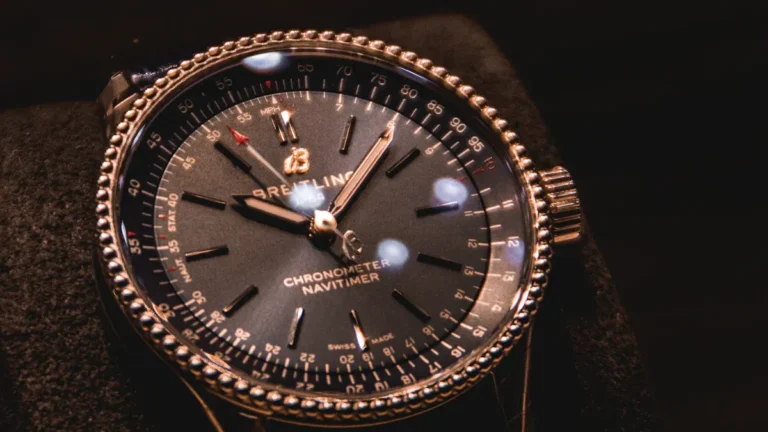


Luxury fashion began as practical tailoring for royals and evolved into cultural signifiers. Craftsmanship, rare materials, and storytelling keep designers relevant across eras. Wars, art movements, and street style reshaped aesthetics without erasing brand heritage. Today’s luxury continues adapting while preserving techniques that signal status and history.
What Makes Luxury Fashion Unique
Although luxury fashion can look simple from far away, it stands apart because every detail is built to signal rarity, skill, and identity.
You feel that difference in the way a jacket falls, a bag holds shape, or a seam hides through design.
Exclusive materials matter because they give you texture, depth, and a quiet sense of privilege.
Then Emotional branding steps in and helps you connect with the piece, not just wear it.
You’re not only buying clothes; you’re joining a world that values taste, care, and confidence.
That’s why luxury feels personal. It tells your story without shouting.
And whenever you choose it, you’re choosing more than style. You’re choosing presence, belonging, and a standard that feels made for you.
The Origins of Luxury Fashion
You can trace luxury fashion back to ancient craftsmanship, where skilled hands turned rare materials into pieces that signaled power and taste.
Royal patrons then gave this work its value, because kings and nobles wanted clothing that set them apart from everyone else.
As trade grew and courts competed, luxury fashion became a clear symbol of status, beauty, and influence.
Ancient Craftsmanship Roots
Luxury fashion began long before modern runways or glossy ads, and its earliest roots grew in the courts of kings, queens, and nobles.
You can trace its soul to ancient loomwork, where skilled hands turned thread into status.
Whenever you study ceremonial textiles, you see more than cloth. You see identity, ritual, and care.
Each weave asked for patience, and each pattern spoke to belonging.
As trade slowly widened, you found new fibers, richer dyes, and finer finishes entering elite wardrobes.
Yet the real luxury stayed in the maker’s touch. That human skill gave garments their rare worth.
Royal Patronage Influence
Because royal courts valued display as much as power, they gave luxury fashion its inaugural true stage. When you envision silk trains, jeweled sleeves, and tailored coats, you’re seeing royal patronage at work.
Kings and queens didn’t just wear fine clothes; they shaped taste through court influence, and you felt that reach in every noble hall. They rewarded skilled makers, so artisans learned to cut, stitch, and embroider with rare care.
That pressure raised standards and turned clothing into a shared sign of rank, belonging, and beauty. As courts competed, styles changed fast, and you could follow status through fabric, color, and detail. In that world, luxury wasn’t loud for show only; it was a code you read, joined, and admired.
How Luxury Fashion Changed Over Decades
From royal courts to modern runways, fashion’s story shows how taste, power, and identity kept changing with each decade.
You can trace luxury’s shift from hand-sewn robes and silk trimming to sharper suits, sleek dresses, and seasonal collections.
In the 1920s, Chanel gave you freedom with simpler lines.
Later, Dior brought back volume and drama, and you saw postwar glamour feel hopeful again.
As decades moved on, ready-to-wear grew, and luxury began speaking to more people without losing craft.
During the late century, streetwear integration changed the mood, while sustainability movements pushed brands to rethink materials and waste.
Today, you still want rarity, but you also want pieces that feel current, personal, and easy to belong with.
How Culture Shapes Luxury Fashion
Culture gives luxury fashion its voice, and that voice changes as people change. Whenever you wear a dress, bag, or suit shaped through another culture, you join a larger story. Designers often use local symbols, music, and dress codes to create sartorial storytelling that feels alive and familiar. That can help you feel seen, included, and proud.
Yet culture also asks for care. In case a brand borrows sacred patterns or daily clothing without respect, cultural appropriation can replace appreciation. You deserve fashion that honors roots, not erases them. So whenever you notice where a look comes from, you also notice who it serves. That awareness lets you enjoy luxury with confidence, connection, and a sense of shared belonging.
Why Craftsmanship Defines Luxury Fashion
You can see luxury fashion’s true value in the hands that make it, where artisans turn fine materials into pieces with care and esteem.
Every stitch matters because precision shapes both beauty and durability, and that’s what makes a garment feel truly special.
Whenever you wear that level of craft, you’re also wearing heritage, skill, and a story that mass-made clothing can’t copy.
Artisanship And Heritage
Craftsmanship gives luxury fashion its soul, because every stitch, cut, and finish carries skill you can feel. You see that value in artisan revival, where makers protect old methods while shaping pieces that fit your life. Heritage storytelling adds meaning too, so your clothing feels like part of a shared history, not just a purchase.
| Heritage | Why it matters |
|---|---|
| Handwork | Shows care you can trust |
| Legacy | Connects you to lasting style |
| Detail | Signals esteem and belonging |
When you choose these pieces, you join a circle that values patience, memory, and identity. That connection matters more than noise or trend chasing. It tells others you respect work that lasts and stories that stay alive.
Precision In Every Stitch
What made luxury feel so rare in the past still matters today, but now the focus has sharpened to the tiniest details. You notice it in hand stitched precision, where each seam sits clean and calm, almost like it knows your name.
Then micro pattern alignment steps in, and every line matches with quiet confidence. That care makes you feel part of something respected, not just dressed up for a moment.
Because skilled makers inspect each fold, your garment holds shape better and wears with grace. You also sense the difference in the finish, where buttons, hems, and lining work together without fuss.
Where Luxury Fashion Is Headed Next
As luxury fashion moves into its next chapter, it’s becoming less about loud status and more about quiet meaning, smart design, and real connection. You’ll see sustainable luxury shape choices as brands use better materials, shorter supply chains, and repair services that help your pieces stay with you longer.
At the same time, virtual runways will let you watch new collections from anywhere, so you can feel close to the action without losing the thrill. This shift also invites you in, because luxury now speaks to people who want style with purpose, not just price tags.
You’re not chasing a look that fades; you’re joining a world that values craft, care, and identity. That feels good, and honestly, it fits better.
Frequently Asked Questions
How Did Trade Routes Influence Luxury Fashion Materials?
Trade routes brought you rare luxury materials through linking distant regions; silk networks and spice routes delivered silk, velvet, brocade, and dyes, so you could wear exclusive garments that signaled status, taste, and belonging.
Which Fashion House First Popularized Seasonal Runway Collections?
You’d credit Charles Frederick Worth, who initially popularized seasonal runway collections. He’d later inspire Paul Poiret and Coco Chanel, helping you see how exclusive couture could still feel modern, stylish, and like a shared fashion identity.
How Did Wartime Rationing Reshape Luxury Design Details?
Wartime rationing stripped luxury down to essentials, so you’d see fabric minimalism and trim innovation replacing lavish excess, like a candle burning low yet still guiding you toward elegance, belonging, and renewed creativity.
Why Do Vintage Luxury Pieces Feel More Desirable Today?
You feel vintage luxury’s pull because it promises belonging, authenticity, and rarity. Nostalgia marketing sparks memories, while craftsmanship revival highlights enduring quality. You’re drawn to pieces that signal taste, history, and personal identity.
How Are Brands Using Technology to Preserve Exclusivity?
You’re seeing brands use digital scarcity and biometric access to limit entry, verify ownership, and reward insiders. You can join exclusive drops, authenticate pieces instantly, and feel part of a rare, trusted circle.