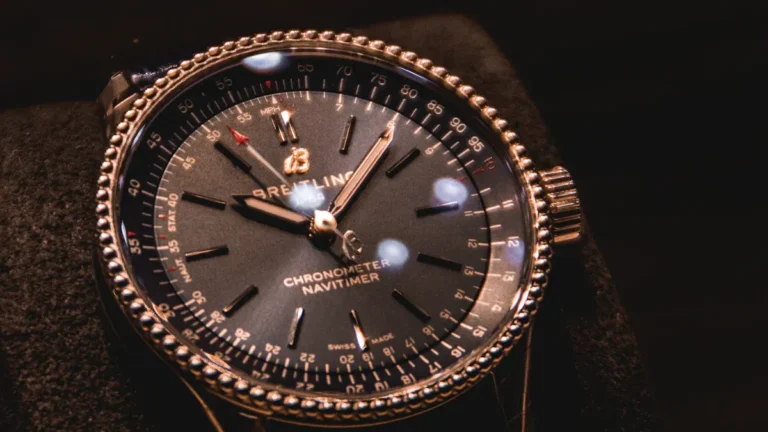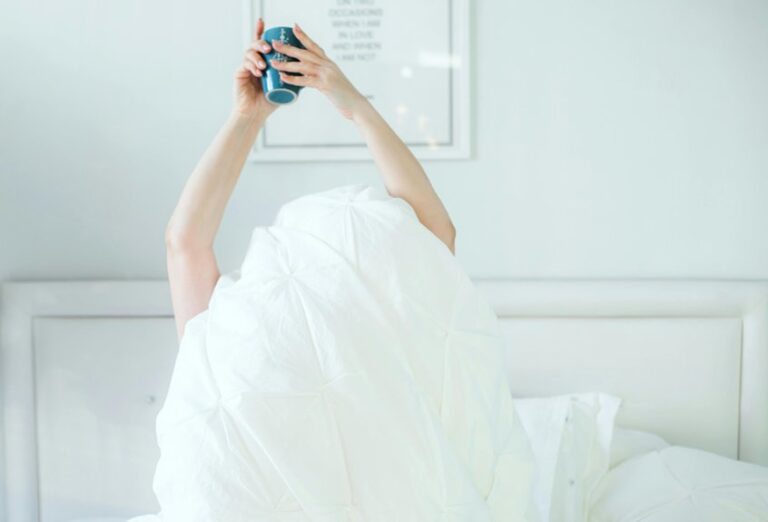

Luxurious means something that feels special, comfortable, and tailored just for you. It’s less about expensive price tags and more about how a space, object, or moment makes you feel calm and cared for. Soft textures, thoughtful details, and a sense of quiet confidence all contribute to that feeling of luxury. Once you separate true luxury from simple cost, it’s easier to appreciate what really makes something feel rich and meaningful.
What Does Luxurious Mean?
Whenever you use the word luxurious, you’re usually naming great comfort, beauty, and expense, but the term also carries historical meanings that shaped how people interpreted pleasure, excess, and status.
Over time, luxurious moved from older ideas tied to indulgence and even moral judgment toward modern associations with sophistication and ease. Your insight might also shift with cultural perceptions, since what feels luxurious in one community could seem excessive or simply unfamiliar in another.
At its core, luxurious suggests richness, refinement, and special comfort.
What Makes Something Feel Luxurious?
A thing feels luxurious not just because it’s expensive, but because it gives you a sense of exceptional comfort, beauty, and ease. You notice it in the sensory experience: soft textures, calming light, pleasing scents, and thoughtful details that help you feel cared for and included.
| Element | Why it feels luxurious |
|---|---|
| Comfort | You feel relaxed, supported, at home |
| Beauty | You feel inspired, uplifted, welcomed |
Luxury also comes from an emotional connection. At the moment something reflects your values, taste, or identity, it feels personal rather than distant. You’re not just enjoying an object or place-you’re stepping into an atmosphere where you belong. That’s why refinement, harmony, and intention matter so much. They create a quiet sense of abundance you can feel instantly. It invites you to settle in fully.
Is Expensive the Same as Luxurious?
You may assume that in case something’s expensive, it must be luxurious, but that isn’t always true. A high price can signal rarity or status, while true luxury is more about how much comfort, elegance, and pleasure you experience.
As you look beyond the price tag, you’ll see that luxurious things often feel refined, indulgent, and thoughtfully made-not just costly.
Price Vs. Luxury
Why doesn’t expensive always mean luxurious? You’ve probably sensed the difference yourself. A high price can signal rarity, status, or exclusivity, but it doesn’t guarantee comfort, beauty, or emotional ease. That’s where price perception matters: what feels luxurious to you might be less about cost and more about how welcomed, cared for, and uplifted you feel.
When you consider luxury, you’re often seeking more than something costly-you’re seeking an experience that helps you feel included in a world of refinement. That’s why luxury accessibility matters, too.
A thoughtfully designed space, soft fabric, or attentive service can feel deeply luxurious without being the most expensive option. In other words, price can shape expectations, but true luxury is about how fully an experience surrounds you with comfort, confidence, and connection.
Beyond The Price Tag
Although high prices often suggest exclusivity, they don’t automatically create a luxurious experience. You can spend a lot and still feel disconnected, unimpressed, or even out of place. True luxury welcomes you in. It’s not just about rare materials or elite branding; it’s about how deeply something cares for your comfort, identity, and sense of ease.
When you recognize luxury beyond cost, you notice sensory indulgence in the details: the softness of fabric, the calm of a well-designed room, the warmth of attentive service. What matters most is emotional fulfillment.
A luxurious moment makes you feel valued, relaxed, and like you belong there. So while expense can signal quality, luxurious existence is really defined through refinement, intention, and the genuine pleasure you carry away with you, long after.
What Design Elements Feel Luxurious?
You’ll usually notice a luxurious space through premium materials that feel rich and well made.
You can also sense it in thoughtful lighting that softens the room and highlights its best features. A refined color palette ties everything together, giving the design a sophisticated, comfortable finish.
Premium Materials
In that moment a space feels luxurious, the materials usually do most of the work. You notice it in the weight of a solid wood table, the cool touch of marble, and the softness of leather that ages beautifully. Premium materials signal care, permanence, and taste, helping you feel like you truly belong there.
- Natural stone with distinctive veining feels collected, not generic.
- Rare gemstones and metal accents add quiet richness without shouting.
- Handcrafted textiles bring warmth, texture, and a sense of human touch.
When you choose materials with depth, texture, and authenticity, the room feels more inviting and more refined. Instead of chasing excess, you’re creating an environment that welcomes people in and lets them feel part of something enhanced, comfortable, and lasting.
That’s where luxury starts, and where connection deepens.
Thoughtful Lighting
How a room is lit often determines whether it feels merely expensive or truly luxurious. Whenever you layer light with intention, you create welcome, ease, and a sense that you belong there. A soft ambient glow calms the room, while adjustable fixtures let you shift the mood for gathering, reading, or unwinding. Instead of relying on one harsh source, you invite depth through placement, dimming, and balance.
| Element | Effect |
|---|---|
| Soft lamps | Warmth and intimacy |
| Adjustable fixtures | Control and comfort |
Thoughtful lighting highlights texture, flatters faces, and makes everyday routines feel enhanced. It signals care without showing off. When your space feels gently illuminated rather than overexposed, it becomes more than stylish-it feels lived in, welcoming, and quietly luxurious for everyone who enters.
Refined Color Palette
A refined color palette can make a space feel instantly more luxurious because it creates calm, cohesion, and quiet confidence. At the moment you choose colors with intention, your home feels welcoming, uplifted, and effortlessly put together.
Through color psychology, you can shape how people feel the moment they enter, helping everyone feel they belong.
- Muted tones soften visual noise and create an understated, polished atmosphere.
- Warm hues add comfort and intimacy, making your rooms feel gracious rather than showy.
- Monochromatic schemes layer shades of one color for depth, harmony, and a customized look.
You don’t need bold contrast to signal luxury. Instead, you create richness through balance, restraint, and consistency.
That sense of refinement tells people your space is cared for, inviting, and beautifully complete for everyone.
Why Is Comfort Part of Luxury?
Why does comfort sit at the heart of luxury? It’s because luxury isn’t only about what you see; it’s about how fully you can settle in and feel cared for. Your comfort perception shapes whether a space, service, or experience feels truly enhanced. In luxury psychology, ease signals that your needs matter before you even voice them.
When you’re comfortable, you don’t feel like an outsider trying to fit in. You feel welcomed, included, and quietly understood. That sense of belonging is powerful, because luxury often promises more than status; it promises relief from strain, friction, and self-consciousness.
True luxury gives you room to breathe, rest, and be yourself without effort. That’s why comfort isn’t separate from luxury. It’s the feeling that makes luxury personally meaningful and socially affirming.
What Materials Feel Most Luxurious?
Materials often shape luxury more immediately than price tags do, because your senses notice texture, weight, softness, and finish before anything else. You feel welcomed through materials that seem considerate against your skin and calm within your space.
Consider the way cashmere, silk, fine leather, marble, and solid wood create an instant sense of ease and refinement.
- Cashmere and silk feel gentle, fluid, and deeply comforting.
- Leather, marble, and hardwood add weight, polish, and lasting richness.
- Even synthetic fabrics and recycled materials can feel luxurious whenever they’re well-made, breathable, and beautifully finished.
What feels luxurious to you usually balances comfort, beauty, and craftsmanship.
Whenever materials age well, drape graceful, or invite touch, you naturally read them as plush, polished, and worth sharing with the world around you.
Why Does Exclusivity Signal Luxury?
Exclusivity signals luxury because it makes something feel rare, intentional, and beyond ordinary access. Whenever you can’t easily get something, you often value it more. That sense of limited availability suggests care, selectiveness, and heightened standards rather than mass appeal.
It tells you the experience or item isn’t made for everyone, which can make you feel chosen.
You’re not just buying comfort or beauty-you’re entering a circle that feels refined and admired. Exclusivity strengthens brand prestige through creating distance from the everyday and inviting you closer to something aspirational.
Once access feels earned, luxury becomes more emotionally powerful. You don’t simply own the object; you connect with what it represents: taste, discernment, and belonging. That’s why exclusivity so often defines what feels truly luxurious to you.
How Do Hotels, Fashion, and Design Define Luxury?
Across hotels, fashion, and design, luxury is defined through how fully an experience surrounds you with comfort, elegance, and refinement. You notice it in details that make you feel welcomed, seen, and naturally at ease, as though you truly belong.
- In hotels, luxury lives in seamless customer experience, from attentive service to quiet, plush spaces.
- In fashion, it often reflects brand heritage, expert craftsmanship, and cultural symbolism that signals identity.
- In design, it appears through balanced materials, thoughtful proportions, and emotional appeal that makes rooms feel uplifted.
Together, these fields shape luxury as more than expense. It’s the sense that everything has been chosen with care for your comfort and place in the world. That recognition helps you feel included within a polished, meaningful standard.
Why Does Luxury Still Appeal to People?
That broader idea of luxury helps explain why it still attracts people today: it promises more than expense, offering comfort, beauty, ease, and a sense of being cared for. You’re drawn to it because it signals welcome, emotional fulfillment, and cultural status within groups you admire.
| Appeal | What you feel |
|---|---|
| Comfort | Safe |
| Beauty | Inspired |
| Ease | Relaxed |
| Quality | Valued |
| Status | Included |
Luxury also creates moments that feel personal and memorable. Whenever you enter a refined space, wear something beautifully made, or enjoy attentive service, you don’t just notice the cost-you notice how it affirms your taste and place. That’s why luxury endures: it helps you feel seen, connected, and worthy of experiences that seem uplifted yet deeply human, in everyday life too.
Frequently Asked Questions
Can Luxurious Describe a Person’s Behavior or Lifestyle?
Yes, you can describe a person’s behavior or lifestyle as luxurious when highlighting extravagant habits and indulgent choices that emphasize comfort, elegance, and a sense of exclusivity.
Has Luxurious Always Had a Positive Meaning?
No, the word has not always carried a positive meaning; in the past, it often implied indulgence or extravagance with negative connotations. As societies evolved, the term came to be associated more with comfort, refinement, and a level of prestige valued by the community.
Is Luxurious Different From Lavish or Opulent?
Yes, luxurious typically conveys comfort and refined enjoyment, whereas lavish and opulent emphasize extravagance, abundance, and wealth. When comparing luxurious to extravagant, luxurious implies a sense of restraint, while lavishness is associated with generous richness and more conspicuous excess.
Can Nature or Plants Be Described as Luxurious?
Yes, nature can be described as luxurious when surrounded by dense foliage, vibrant blossoms, and an overwhelming richness; it resembles the earth draped in velvet. This description suits scenes that evoke indulgence, warmth, and an inviting beauty for all.
What Is the Noun Form of Luxurious?
The noun form of luxurious is typically luxury. In common use, luxury best captures the meaning related to wealth and comfort. On the other hand, luxuriance is used more often in discussions about adjectives and refers to abundance, richness, or lavishness.